People remember Su-Kam for its inverters and its patents. But ask anyone who worked in the power-backup trade between 2000 and 2015 and they will tell you the same thing: you could not drive down an Indian highway, walk through a small-town market, or sit at a roadside dhaba without the Su-Kam name finding your eye. That was not an accident. It was a strategy — built by a man who could not out-spend his rivals, so he chose to out-think them.
I marketed Su-Kam the way nobody in my industry dared to. I treated branding, selling, and teaching as the same act, and I refused to believe that the company with the biggest advertising budget had to win. This is the story of how the brand got everywhere — on umbrellas and auto-rickshaws, on buses and trucks, on YouTube a decade early, on prime-time television, and finally onto a stage shared with the father of modern marketing himself.
The Brand Nobody Could Out-Spend
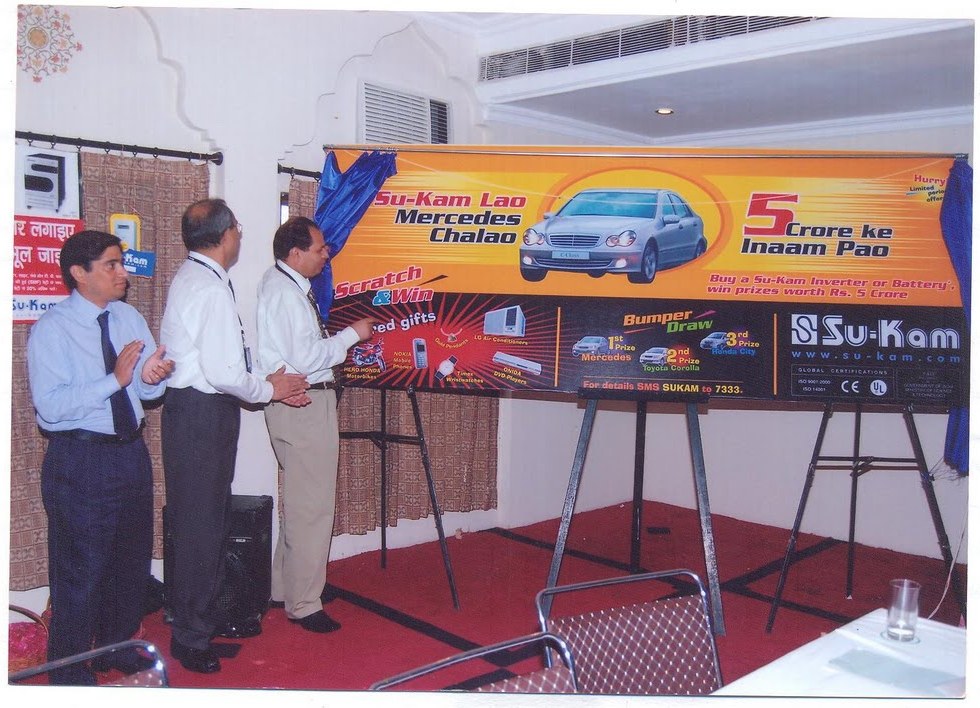
I ran consumer campaigns nobody in our category dared to attempt. The most audacious was "Su-Kam Lao, Mercedes Chalao" — a scratch-and-win with five crore rupees in prizes, a Mercedes and other cars to be won simply for buying an inverter or a battery. We made owning a Su-Kam product feel like holding a ticket to a better life.
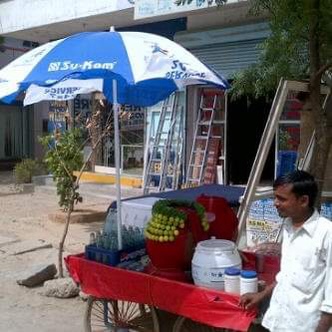
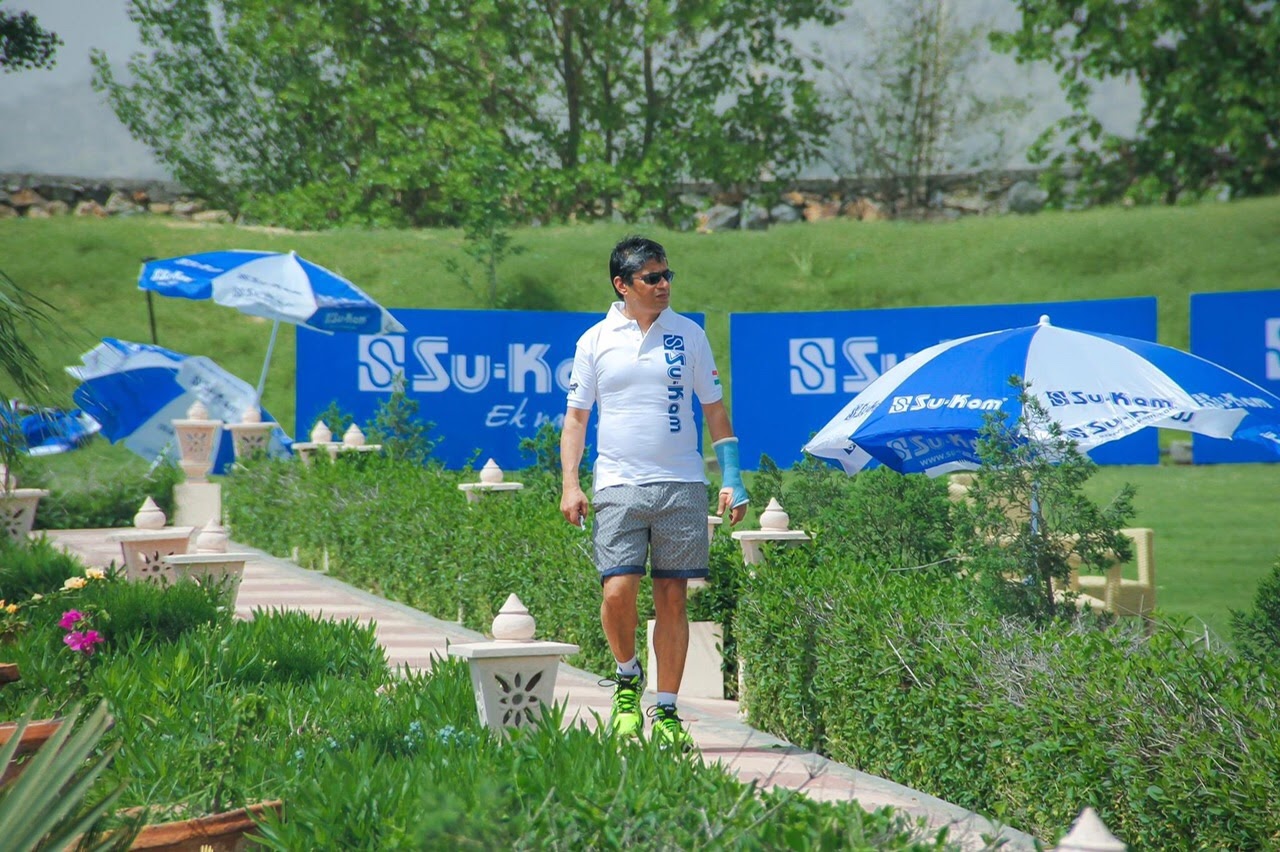
But the campaign I am proudest of cost a fraction of that. I put Su-Kam umbrellas over the juice-carts and roadside thelas on a thousand street corners, so the brand sheltered the smallest vendor in the smallest town. Marketing, to me, was never about the size of the budget — it was about being everywhere a person's eye could fall, and being impossible to forget.
"I didn't have the deepest pockets, so I had to have the sharpest ideas. Branding was the one thing nobody could out-spend me on — they could only copy me."
Marketing on Wheels
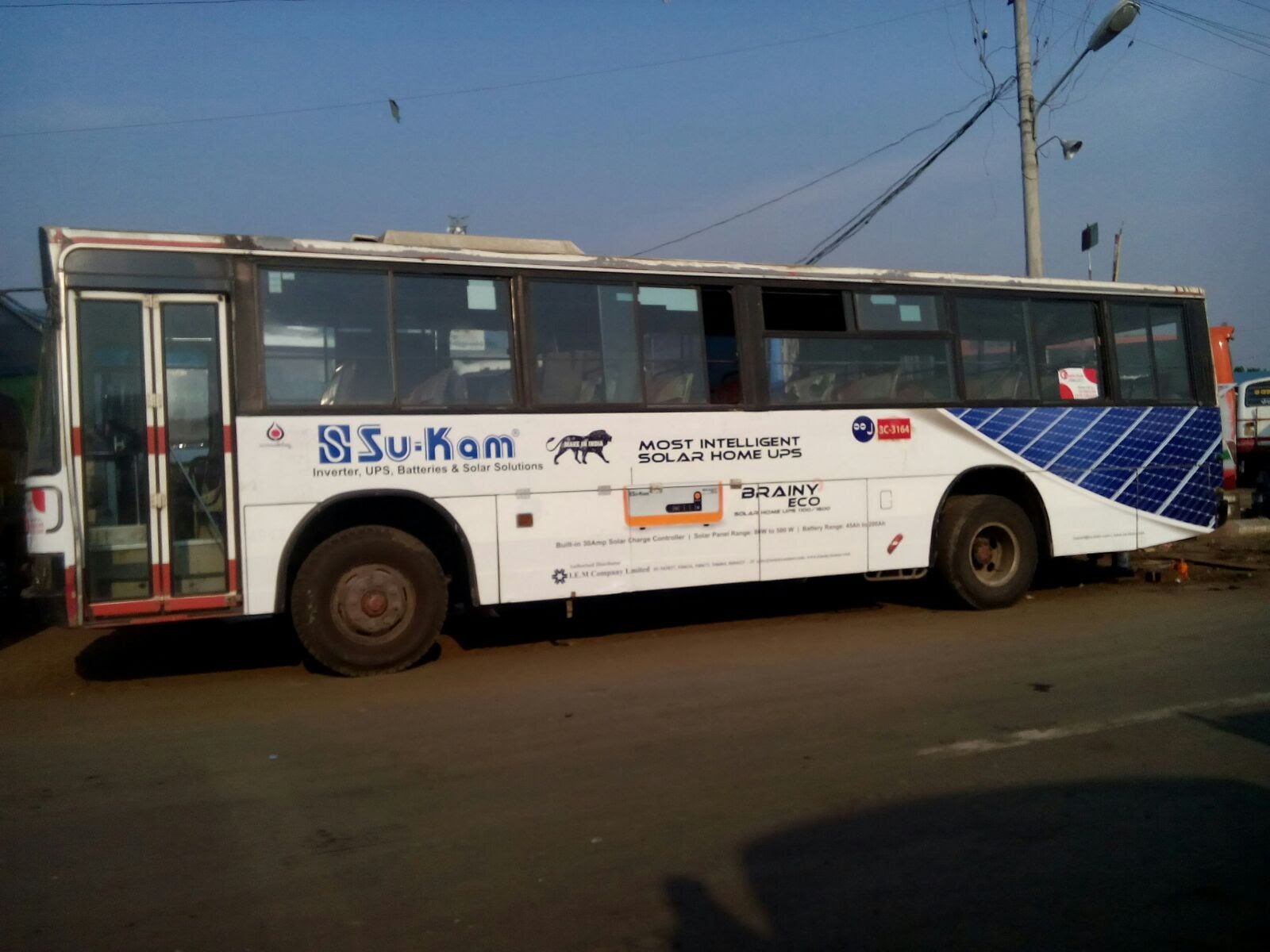
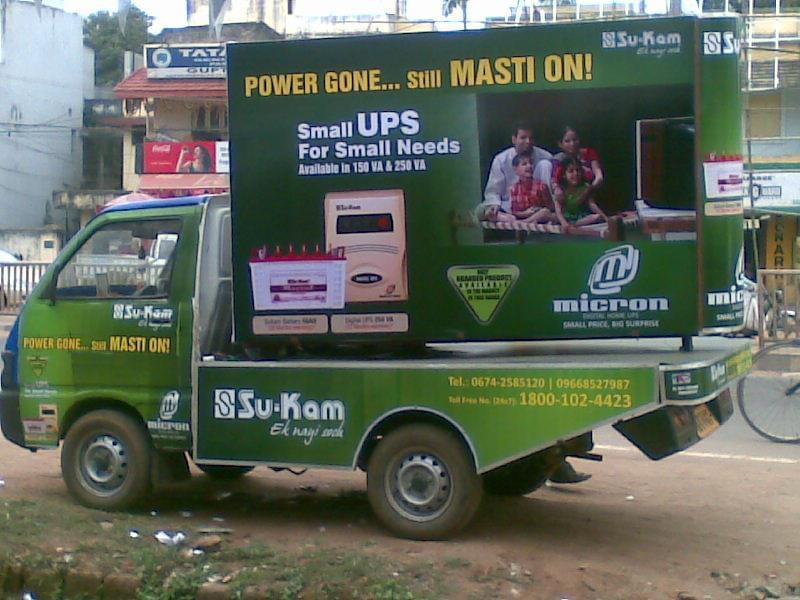
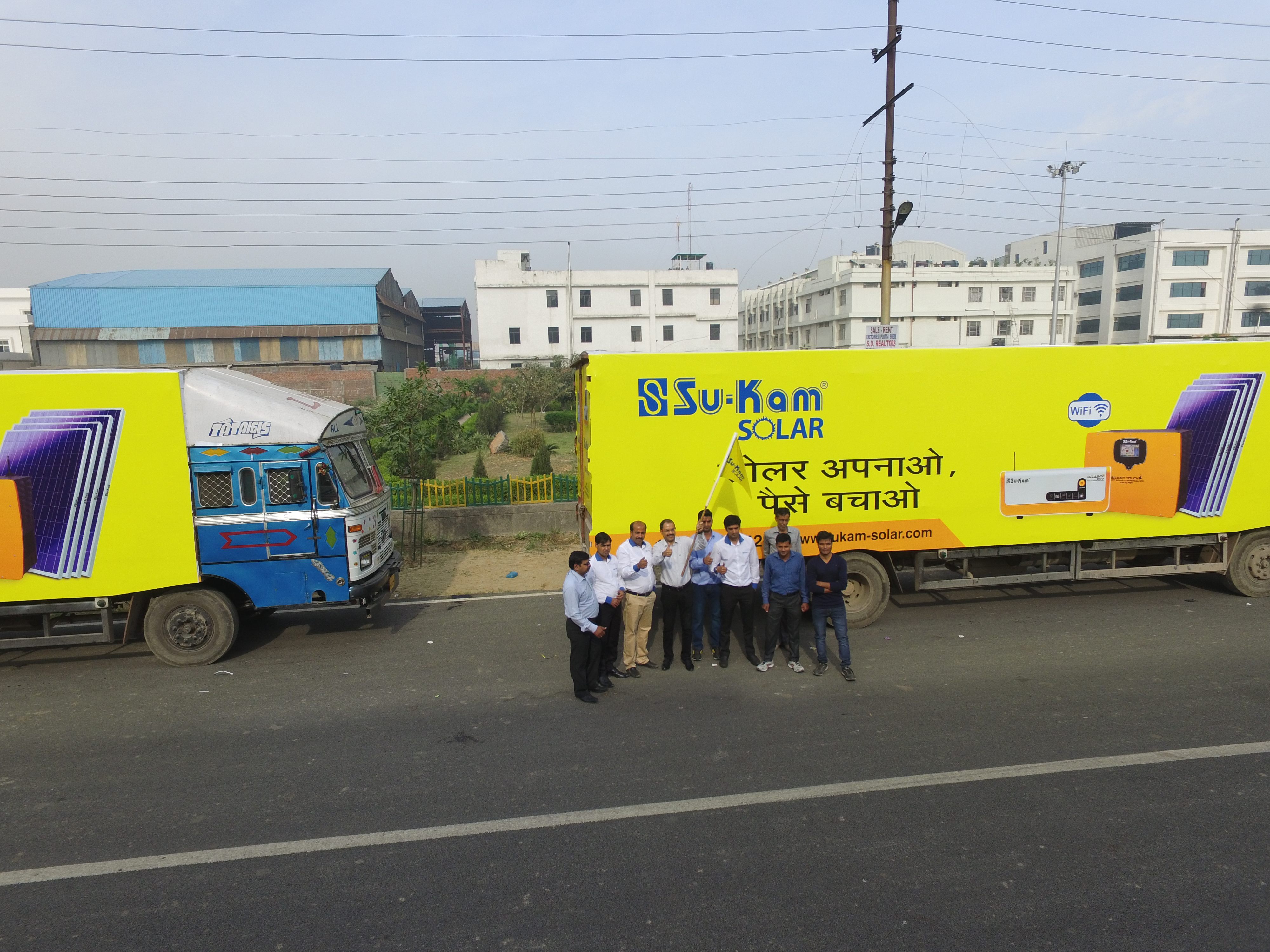
If I could not afford to be on every billboard, I would make my vehicles the billboards. We branded trucks, vans, buses and auto-rickshaws and sent them out across the country — a moving fleet of Su-Kam colour that turned every road into advertising space. To prove a giant inverter could replace a diesel generator, I built "Power on Wheels" — a 100 KW inverter mounted on a truck, thirty batteries and all — and drove it through cities big and small, a rolling showroom that put our technology in front of the whole country.
Branding Where the Crowds Gathered
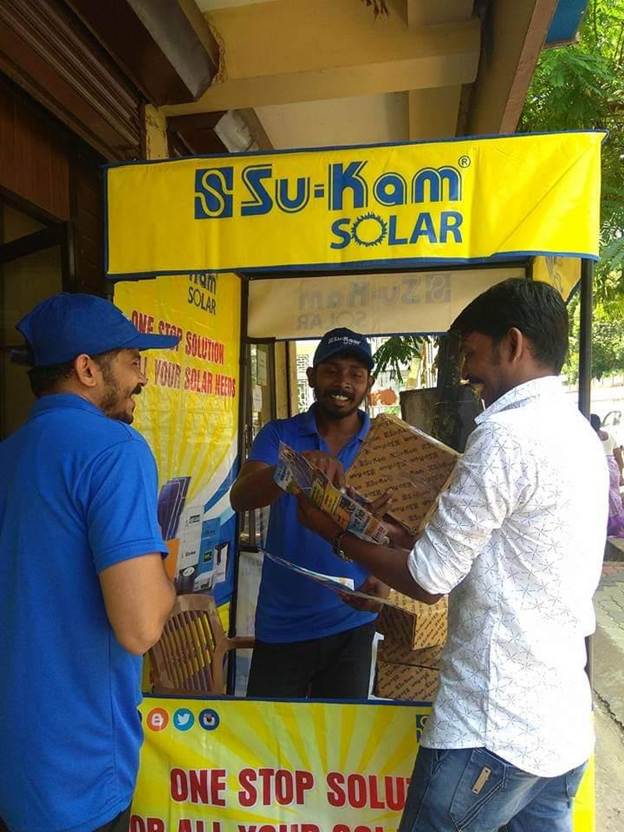
The cheapest advertising space in India is the space nobody is bidding for. So I went where the crowds already were and the hoardings were not. We put Su-Kam branding boards on roadside dhabas along every major highway — the places where truckers, families and travellers stopped to eat — so the name greeted you with your meal. We took the same idea to the places of worship and the tourist spots that pull the biggest crowds in the country, and to Kashmir, where we even re-covered the Shikaras on Dal Lake in Su-Kam colours.
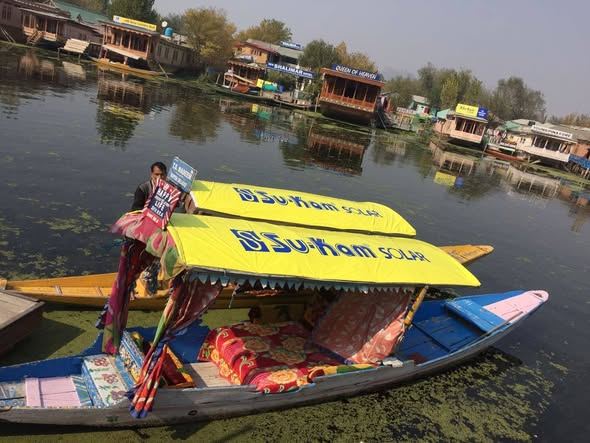
The logic was simple: a billboard in a metro is seen by people who have a hundred brands shouting at them. A board at a dhaba on the highway, at a temple town, or at a tourist landmark is seen by people from a hundred different towns — the dealers, electricians and families who would actually carry the name home. We did not buy the most expensive eyeballs. We bought the most, and the most loyal.
Selling as a Performing Art: 1,000 Dealer Meets and "Sales ka Baazigar"
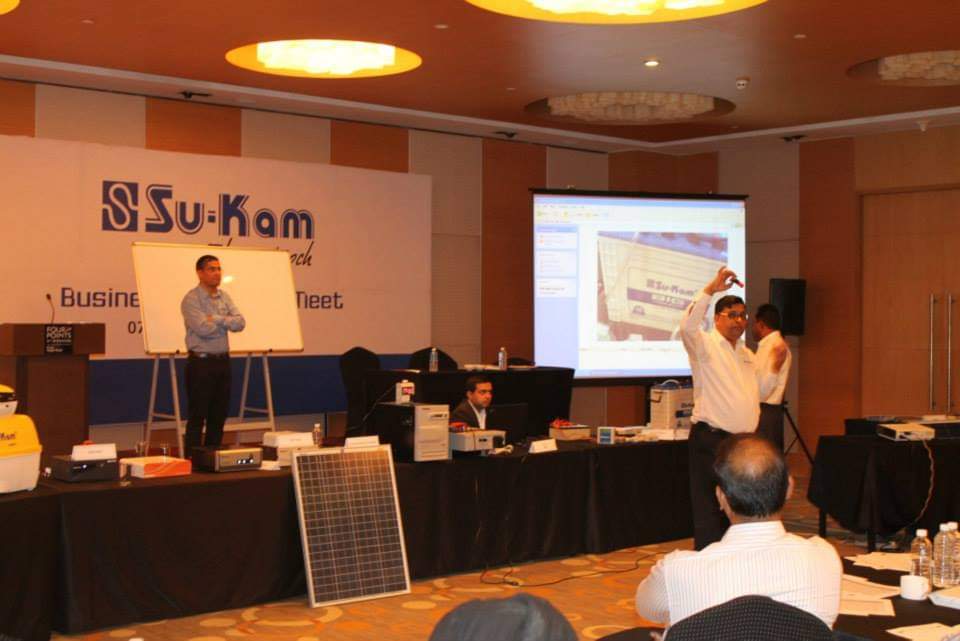
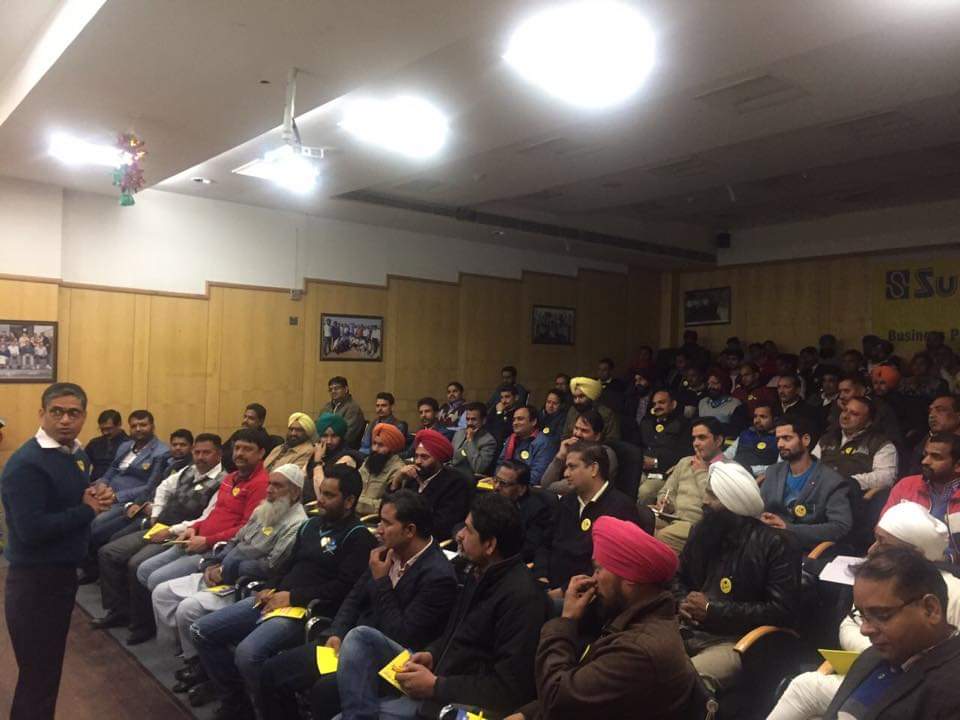
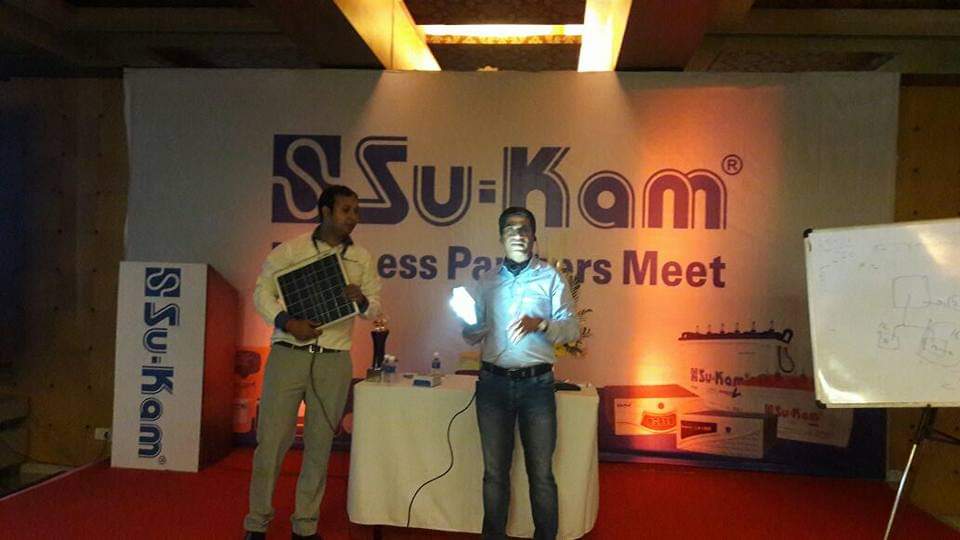
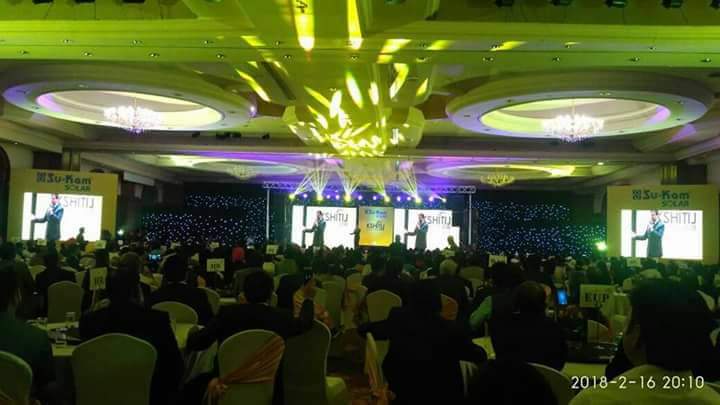
If branding made people know Su-Kam, sales made them choose it — and I treated selling as a show in its own right. I built distribution from door-to-door selling into a network of more than two thousand dealers across India, and I walked that last mile myself. I set a target of at least a hundred dealer meets a year and travelled district to district personally — over 1,000 dealer meets from Kashmir to Kanyakumari, through all seven North-Eastern states and every state in the South. I ran them like a teacher: a disciplined stage, a live demo of the newest technology, and me at the front explaining where the industry was going.
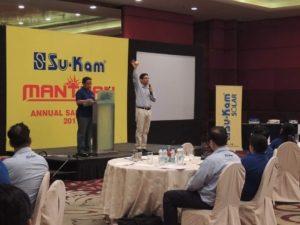
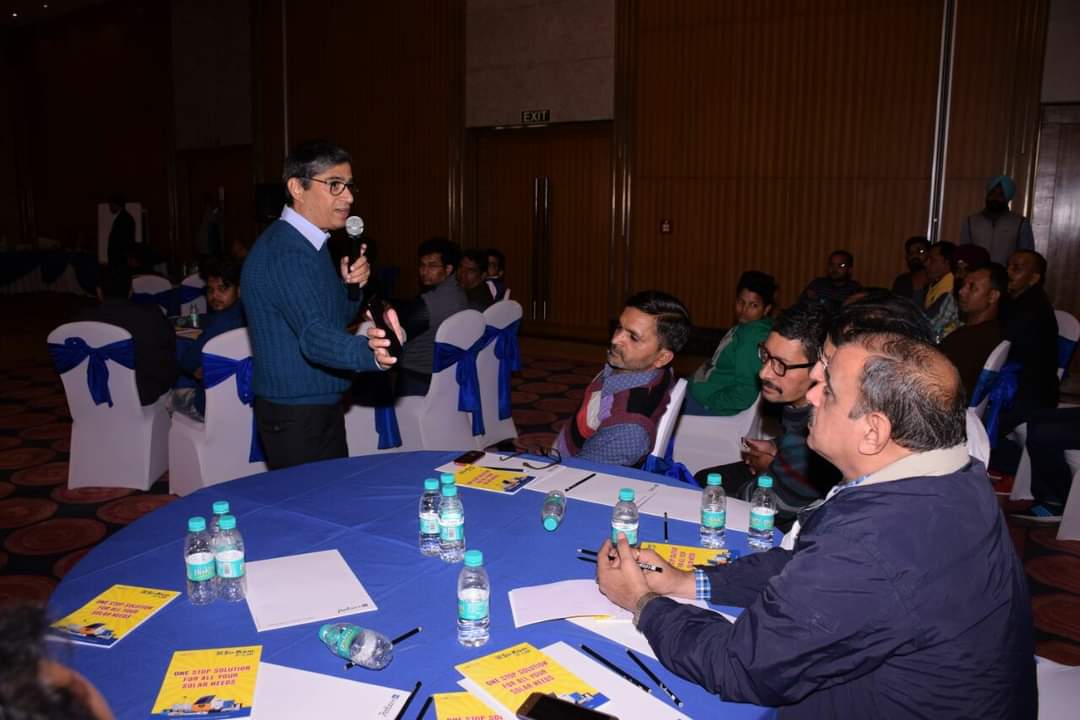
Then, in 2013, I turned sales itself into prime-time television. We created "Sales ka Baazigar" on ETV — India's first corporate sales reality show — built for one radical idea: to find raw selling talent in the small towns, among young people with no MBA and no pedigree, only grit. Anchored by the actor Ravi Kishan, with me on the jury, the show drew more than 10,000 hopefuls. We sent them into dusty markets to sell our plastic-body inverters and Home UPS to sceptical dealers, live, on camera. The winner walked into a ₹10-lakh-a-year job at Su-Kam; the entire top ten were hired. I had made salesmen into television stars.
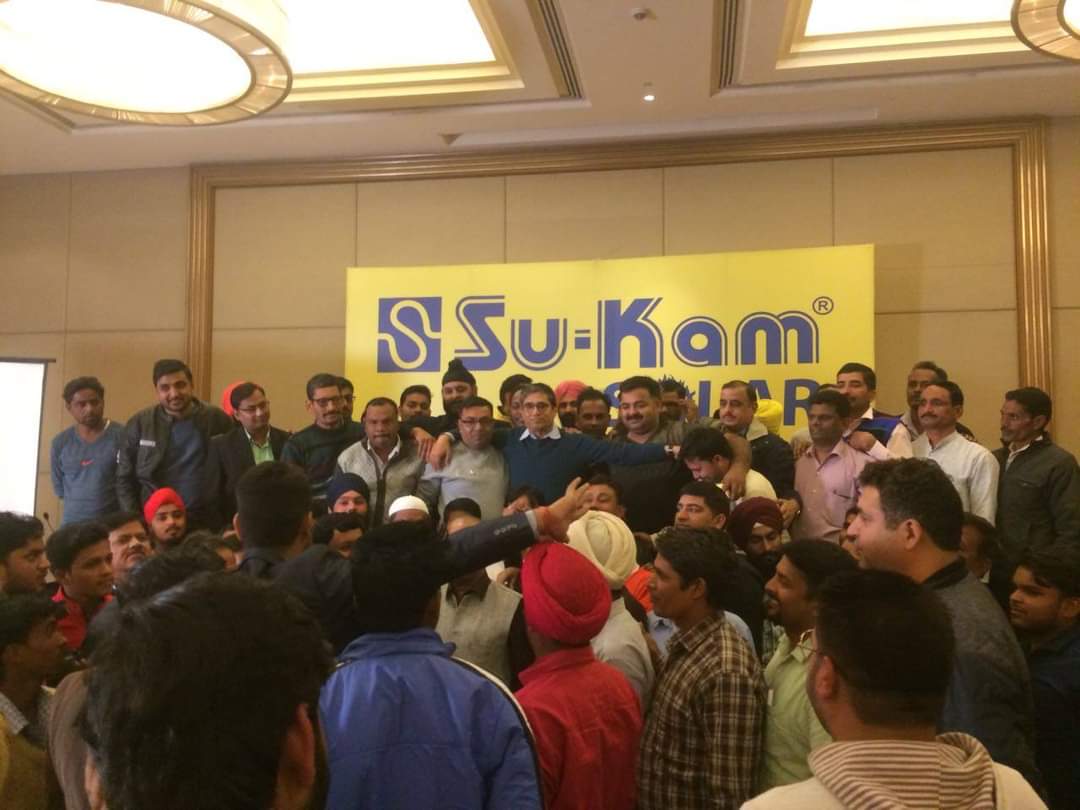
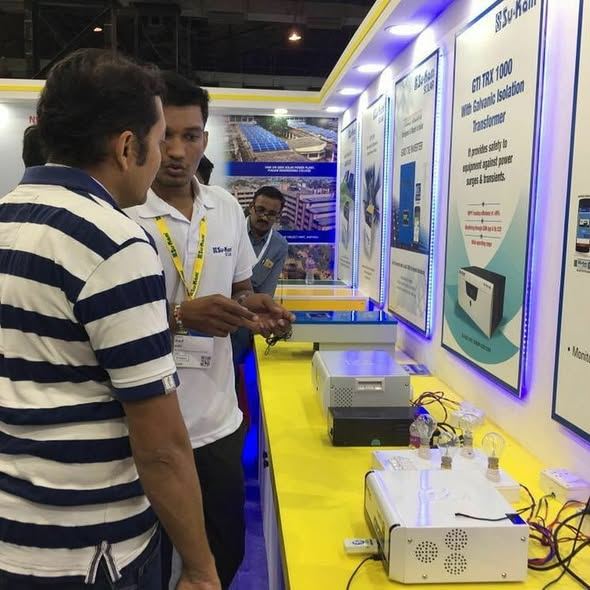
One man could not be in every district at once, so I built the machine to do it. We created dedicated marketing teams whose job was to go out to the dealers and physically demonstrate every new product we launched — not leave a brochure, but switch it on, show the load, and prove the technology in the dealer's own shop. And whenever we launched something important, we ran big launch meets to bring dealers together and update them on exactly what was new, how it worked, and how to sell it. A dealer who understands a product sells it with conviction; a dealer who has only seen a price list does not.
The Factory Door: A Dealer Network Built on Trust
The meets and the launches put the brand in front of dealers; trust is what made them stock it. And in the Indian trade, trust is not bought with a discount — it is earned by letting a man see, touch and test what he is about to put his name behind. So while most companies sent salesmen to dealers, I did the opposite: I invited the dealers to come to the factory. They walked our production lines, watched batteries being assembled at our Baddi plant in Himachal, and sat through sessions where our engineers explained solar economics in plain Hindi — and at every visit I made it a point to be there in person.
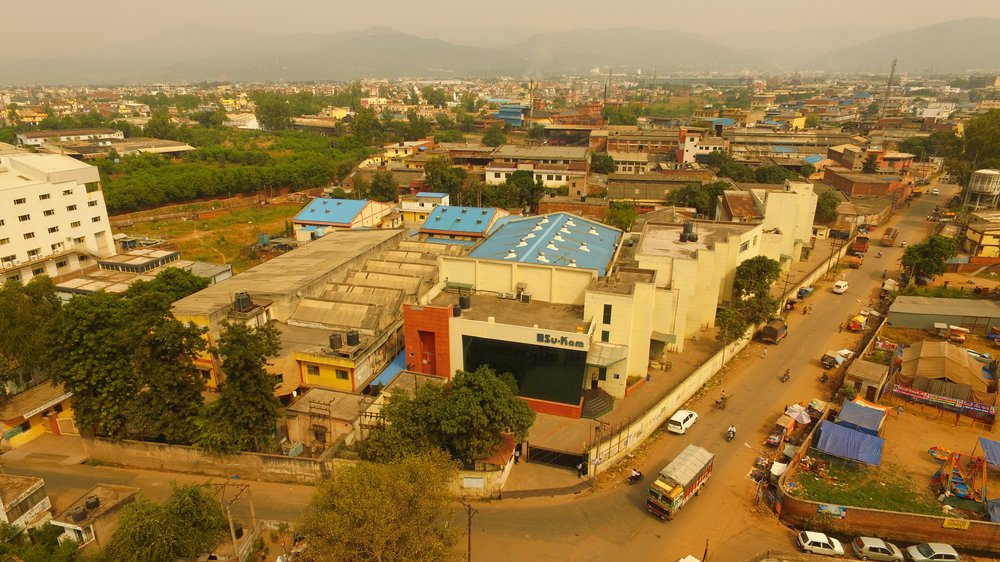
In December 2017, around eighty dealers from Haryana — from Rewari, Yamuna Nagar, Karnal and Gurugram — came down to that plant in a single day. It was not corporate hospitality; it was education at manufacturing scale. A dealer who had watched a battery being made went home not just a stockist, but a solar advocate. We simply called it #DealerEducation.
The other half of the strategy was going to them. Our Solar Awareness Team — technicians with laptops and demo kits — travelled to every corner of the country: twenty dealers in a Raipur hotel, thirty in a Guwahati conference room, fifty at a Jaipur event. The results followed. In Shillong, a distributor barely two months in won a government project to solarise a lake resort. In Kokrajhar, Assam, our partner installed two 6.25 KVA Solar PCUs deep in the North-East. In Chhattisgarh, we sat with the state renewable-energy agency in Raipur to talk deployment at the policy level.
The Rajasthan Blueprint
Rajasthan became my model for how a dealer network should be built. In July 2012 we held a full-scale dealer conference in Jaipur — product presentations by day, a team dinner at Chowki Dhani by night. The banner said it in two words: "Happy Selling!!" And it was there, not at a press event, that we launched the Brainy Solar Hybrid Inverter — straight to the men who would actually sell it.
The proof of all of it was never a sales figure. It was a letter. In December 2017 a dealer of four years wrote to us by hand:
"I am Happy to Inform you that I am working with Sukam from last four years… I Heartily appreciate the Sukam Service Team. I am fully Satisfied with Sukam product and Sukam Service."
By 2018 this was the largest solar distribution network in India — from Meghalaya to Maharashtra, Himachal to Kerala — and it was not built on exclusive contracts or the lowest price. When rivals tried to copy it years later, they found the one thing they could not replicate: you can copy a product, but you cannot copy a relationship. The dealers remembered who invited them to the factory, who sat with them at dinner, who explained solar when no one else would. That memory was Su-Kam's moat.
Su-Kam Sports Week
A team that sells together has to feel like a team first. The same people who drove the demos and ran the launch meets all year were the people we brought together for Su-Kam Sports Week — an annual company-wide tournament where sales, marketing, factory and office staff competed, celebrated, and bonded as one company. I always believed energy on the field carried straight back into energy in the market: the camaraderie built during Sports Week was the same camaraderie that powered our dealer meets and product launches.
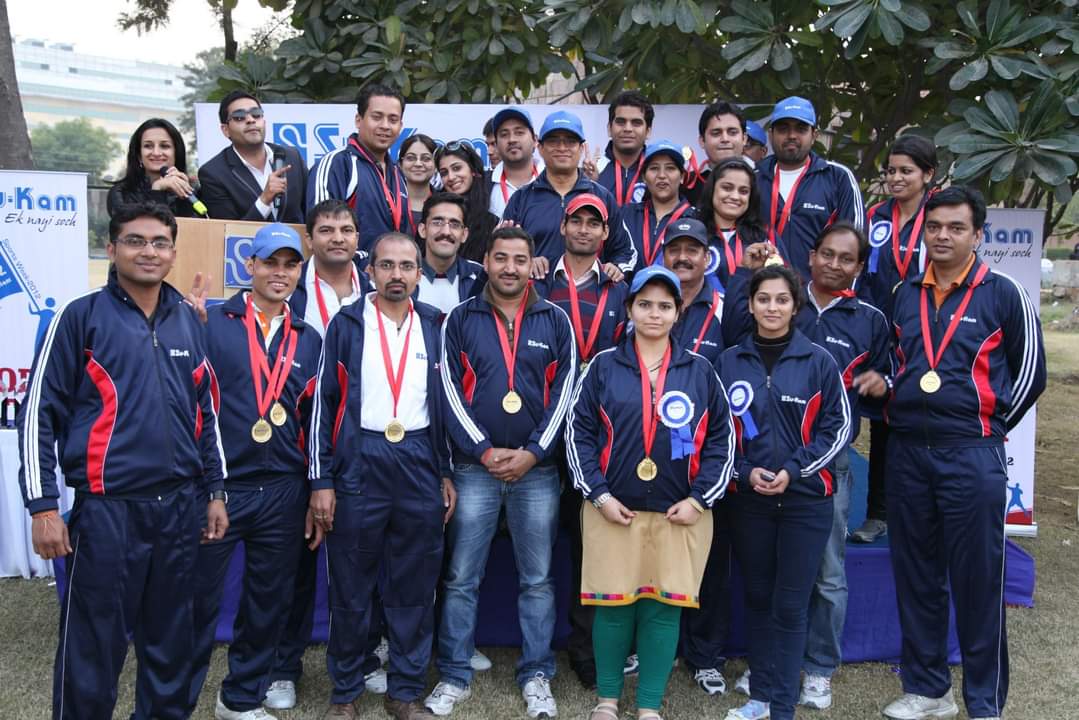
"The market never comes to you. I went to it — district by district, meet by meet, until everyone in the trade knew the man behind the brand."
On YouTube a Decade Early — and the Dais with Philip Kotler
On 17 August 2009 I launched our YouTube channel — the first inverter or solar company in India to do it, when broadband was slow, smartphones were rare, and even my own team thought it a waste. I didn't make ads; I made education — a moving, speaking product catalogue that explained why our technology worked. Luminous followed in 2010, V-Guard in 2011, Microtek only in 2019 — a ten-year gap. That channel grew past 105,000 subscribers and 8 million views on a dry, technical subject, with no paid promotion. In 2015, Discovery Channel chose Su-Kam — not my bigger rivals — to film its solar documentary, Sun Fuel.
The recognition that stunned me most came from the world of marketing itself: I was invited to share the dais with Dr. Philip Kotler — the father of modern marketing — as a panelist alongside him. Business schools now cite Su-Kam as a textbook application of Kotler's four Ps. For a self-taught engineer who had learned branding on the road — nailing Su-Kam boards to roadside dhabas and re-covering Kashmir's Shikaras — standing beside Kotler was surreal. The same instinct built India's first real solar community on Facebook — over 143,000 followers grown with zero paid advertising.
The Brand That Travelled into 90 Countries
To sell in Europe you need the CE mark, and Su-Kam was the first Indian inverter company to earn it, certified by DNV. We began exporting to Sri Lanka in 2003 and grew to more than 90 countries — Nigeria, Kenya, the Gulf, Nepal, Afghanistan, Bangladesh, Burkina Faso and beyond. I did not export from a desk. In the first phase I flew to Nigeria and Kenya myself, walked their markets, and carried Su-Kam's branding into Africa, the Middle East, Bangladesh and Nepal exactly as I had across India — because a brand that travels with its founder travels further.
The full marketing and branding story — with the complete photo archive of buses, fleets, dealer meets and international visits — is documented in Chapter 6 of the Su-Kam story on this archive.