I Flew to Gabon Four Times. We Beat a French Competitor. Then We Lit 40,000 Homes.
~$25 million. 40,000 rural homes. The biggest Gabon project we ever got — and we installed it.
By Kunwer Sachdev · Founder & Managing Director, 1988–2018 · Published September 27, 2026 · Historical era: street lights ~2012–14 · 40,000 homes award Jan 2015 · install ~2015–17
Oxford Business Group, in one paragraph that still holds the numbers: “Solar power systems are already being installed in rural communities by Su-Kam Power Systems. The India-based power solutions provider was awarded a five-year contract worth around $25m by the government in January 2015 to supply, install and service 120-W DC integrated solar power systems for 40,000 rural households to power three lights and a fan per house. In 2013 Su-Kam completed the installation of 2000 stand-alone solar-powered street lights in Kango, Mouila and Bitam, and a further 400 in the Nkok special economic zone.” — OBG Gabon rural power report. Same award: African Energy (15 May 2015).
That $25 million line in the report was not a press release we wrote for ourselves. It was the biggest project we got in Gabon — and I earned it the hard way.
The Product — Solar Street Light / SunWay
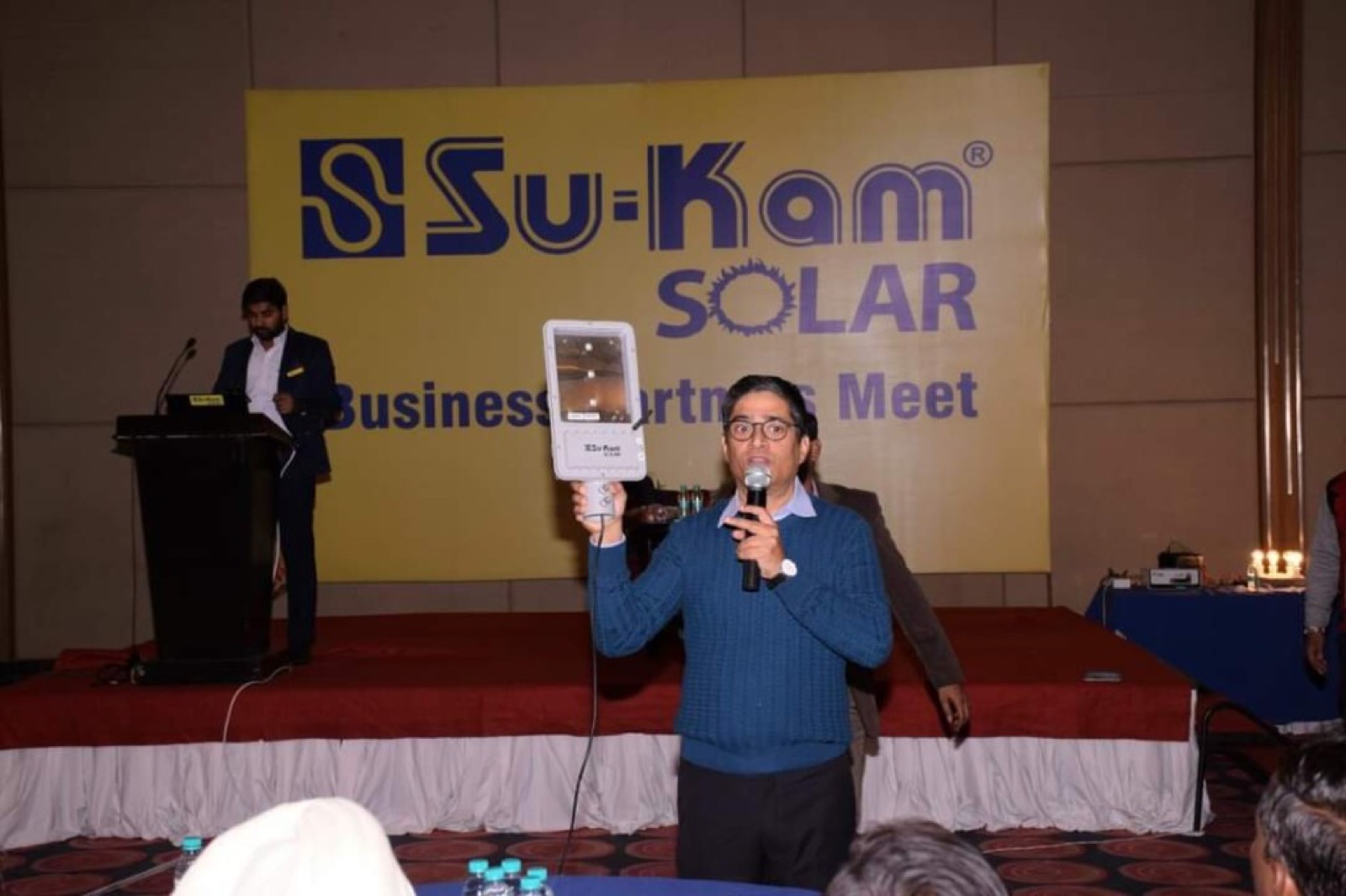
Before and beside the Gabon tenders, we showed partners what a Su-Kam solar street light actually was — a unit you could hold on stage, stick on a highway, and run dusk-to-dawn without digging a trench to the grid.
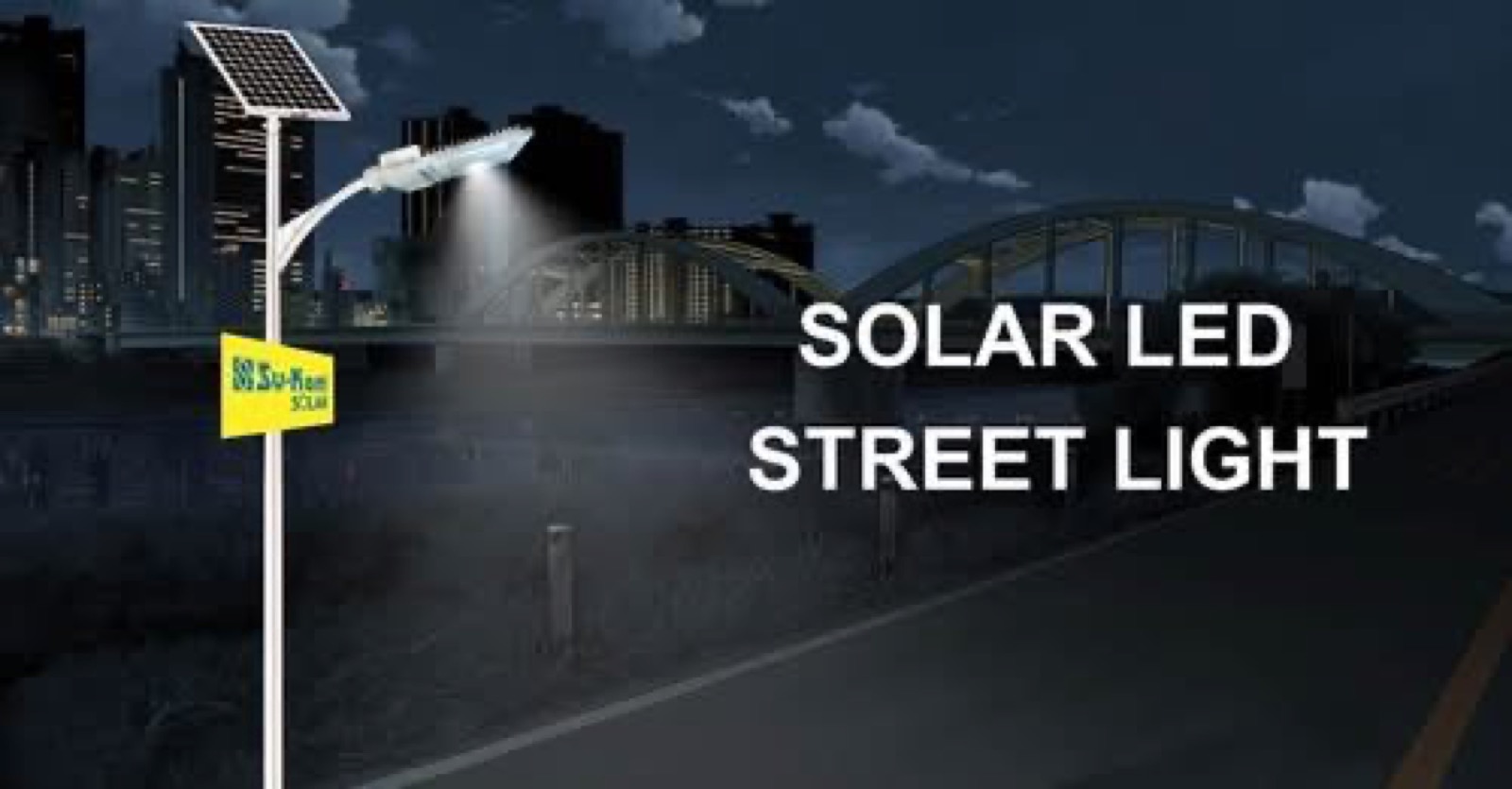
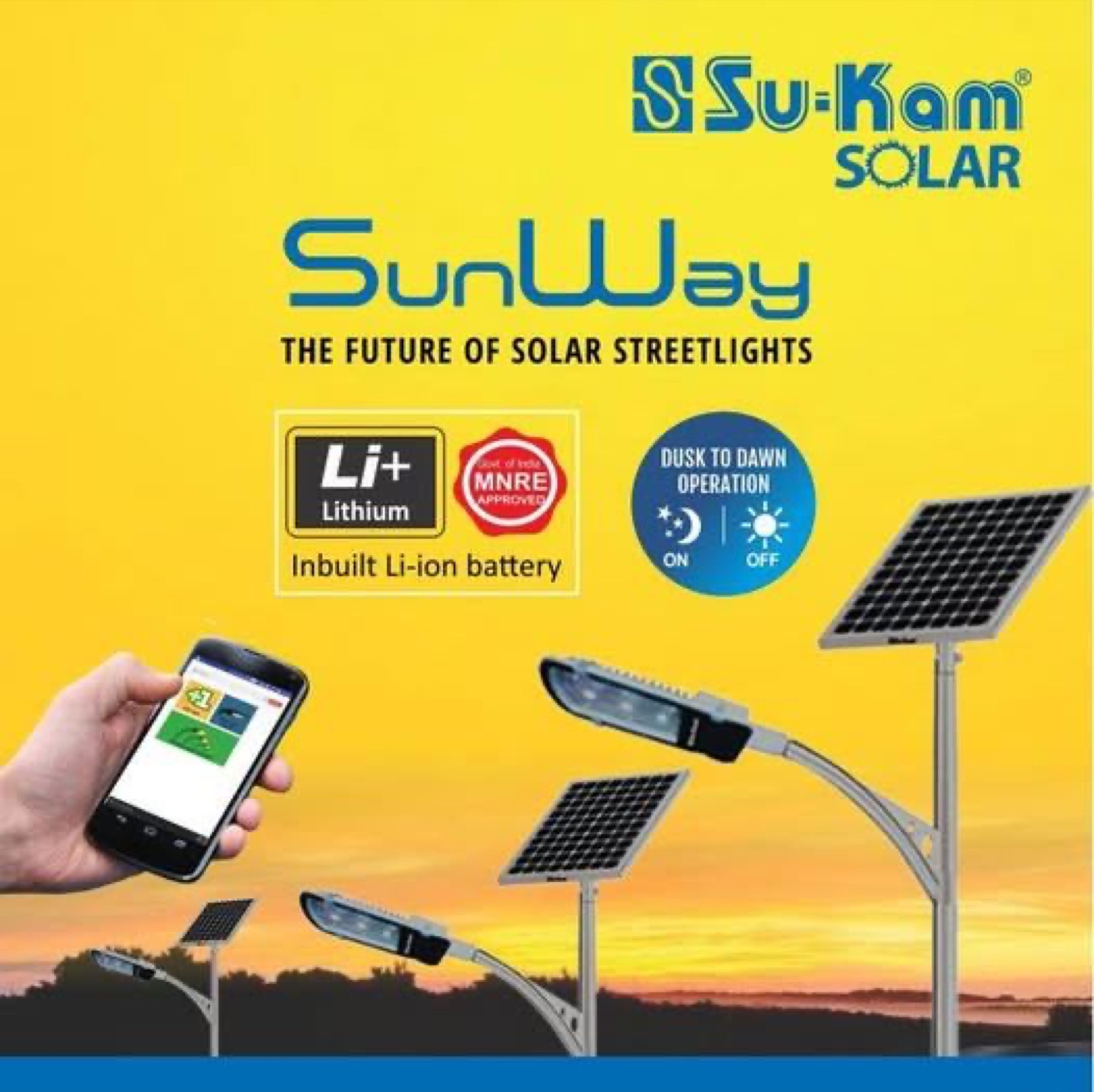
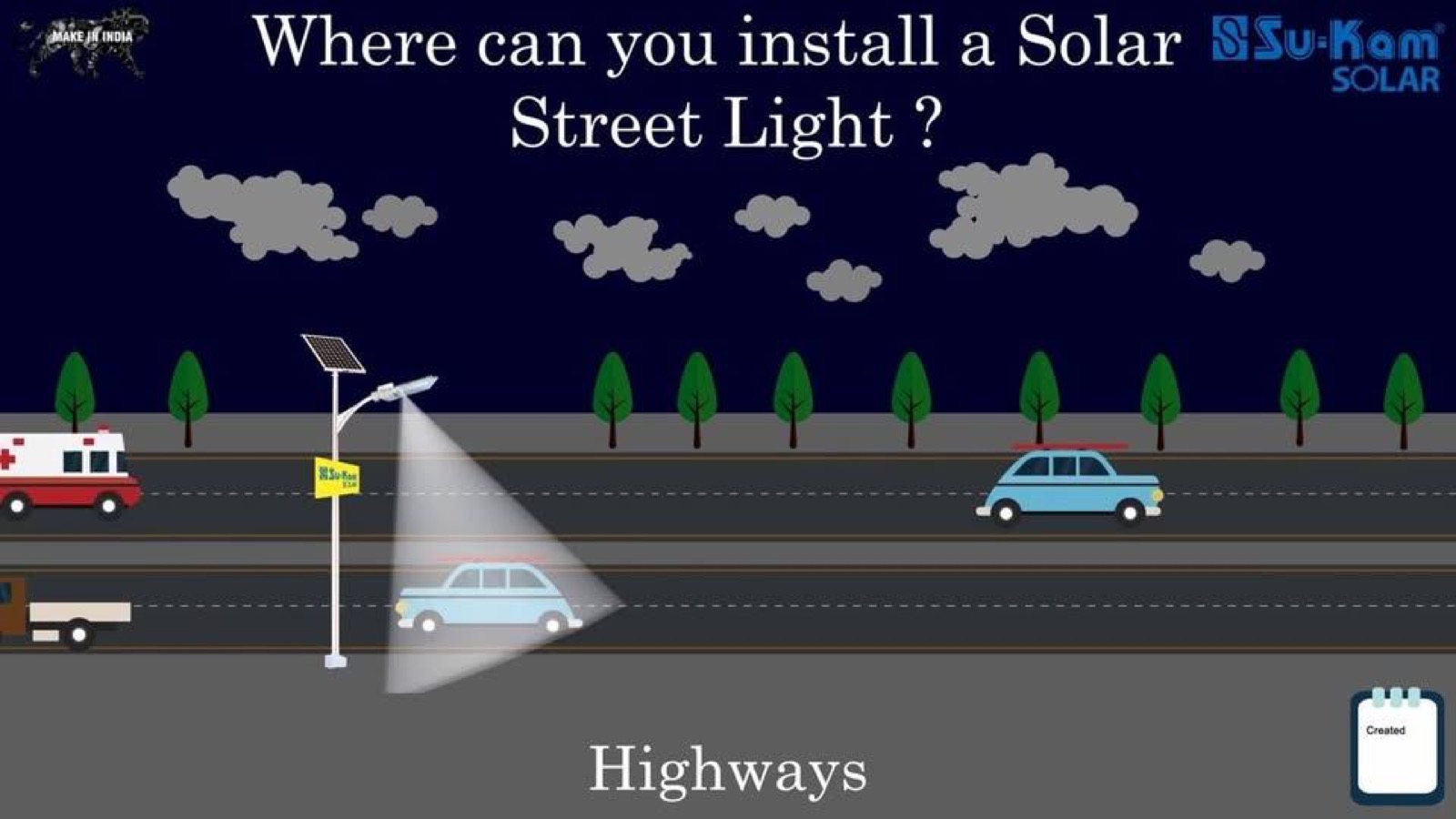
Same product family we took into Gabon’s villages and Nkok — and the same idea I wrote about later as street light sans grid link.
Four Visits, the Indian Embassy, a French Competitor
Gabon was not the Africa people imagine from a distance. Landing there felt closer to Europe than to a typical African capital — and the country is dominated by French-speaking people and French influence across business, institutions and daily life. You do not get the feeling of “any African country”; you get the feeling of a Francophone system that already had its preferred suppliers.
Winning there is not only a catalogue and a CIF price. I built a strong relationship with the Indian Embassy in Gabon. I visited four times to chase this household-electrification project. The competition was a French company — I do not remember the firm’s name today, and I will not invent one. In a market shaped by French language and French influence, that was the real contest.
We got the award on the strength of that trust: Embassy support, personal presence, and a track record already visible on Gabonese roads. Spec sheets mattered. Relationship mattered more when a government had to choose who would put power in forty thousand rural homes.
January 2015 — ~$25m, 40,000 Rural Homes
In January 2015 the government awarded Su-Kam a five-year contract worth around $25 million: supply, install and service 120 W DC integrated solar systems for 40,000 rural households — three lights and a fan per house.
African Energy reported the same numbers in May 2015, quoting the brand side on the June start of installation. This was not a pilot. It was national-scale Direct-DC rural power from an Indian factory.
We Installed It — The Next Two Years
Awards on paper are cheap. Execution is the proof. Over the next about two years we installed this successfully — systems manufactured by Su-Kam, rolled out under the supply–install–service contract. That is what I want on record: not only that we won against a French competitor, but that Gabonese households actually got the lights and the fan.
Before That — Street Lights on Village Roads
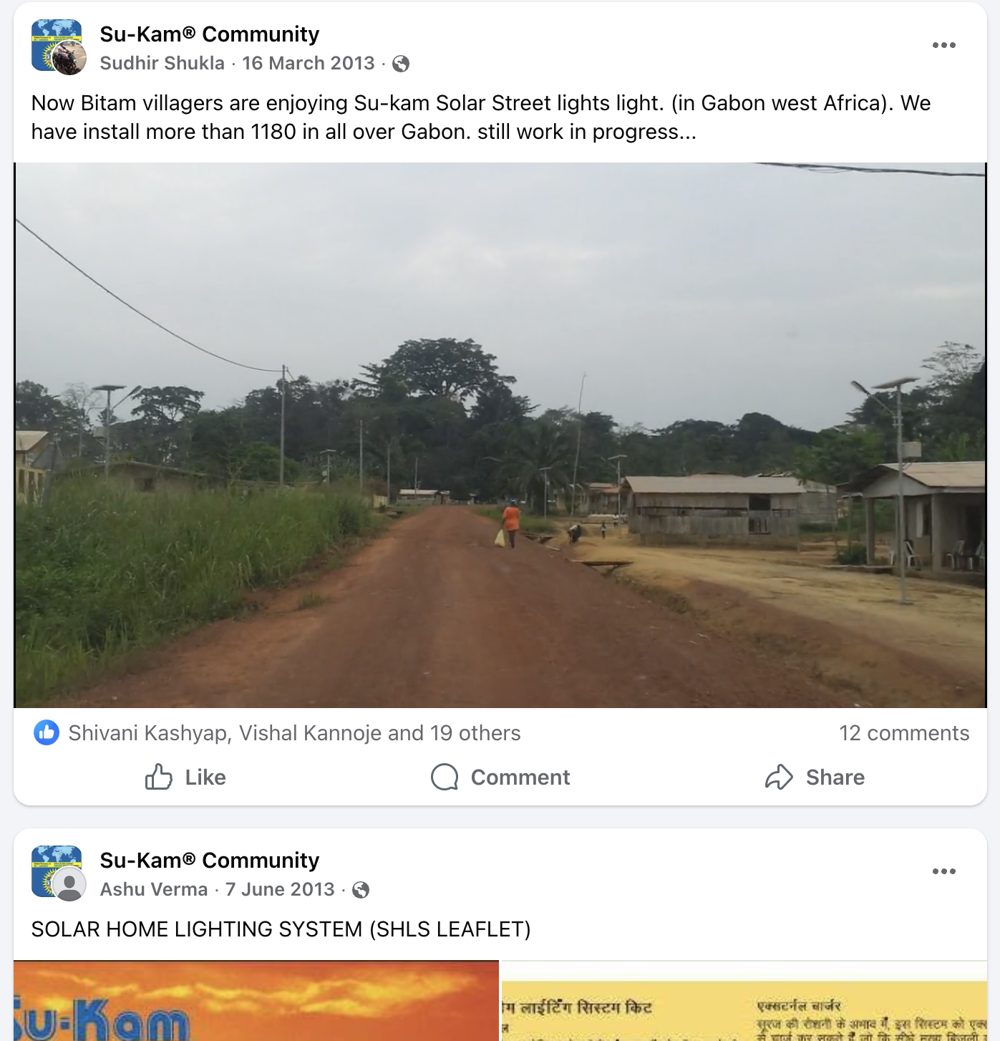
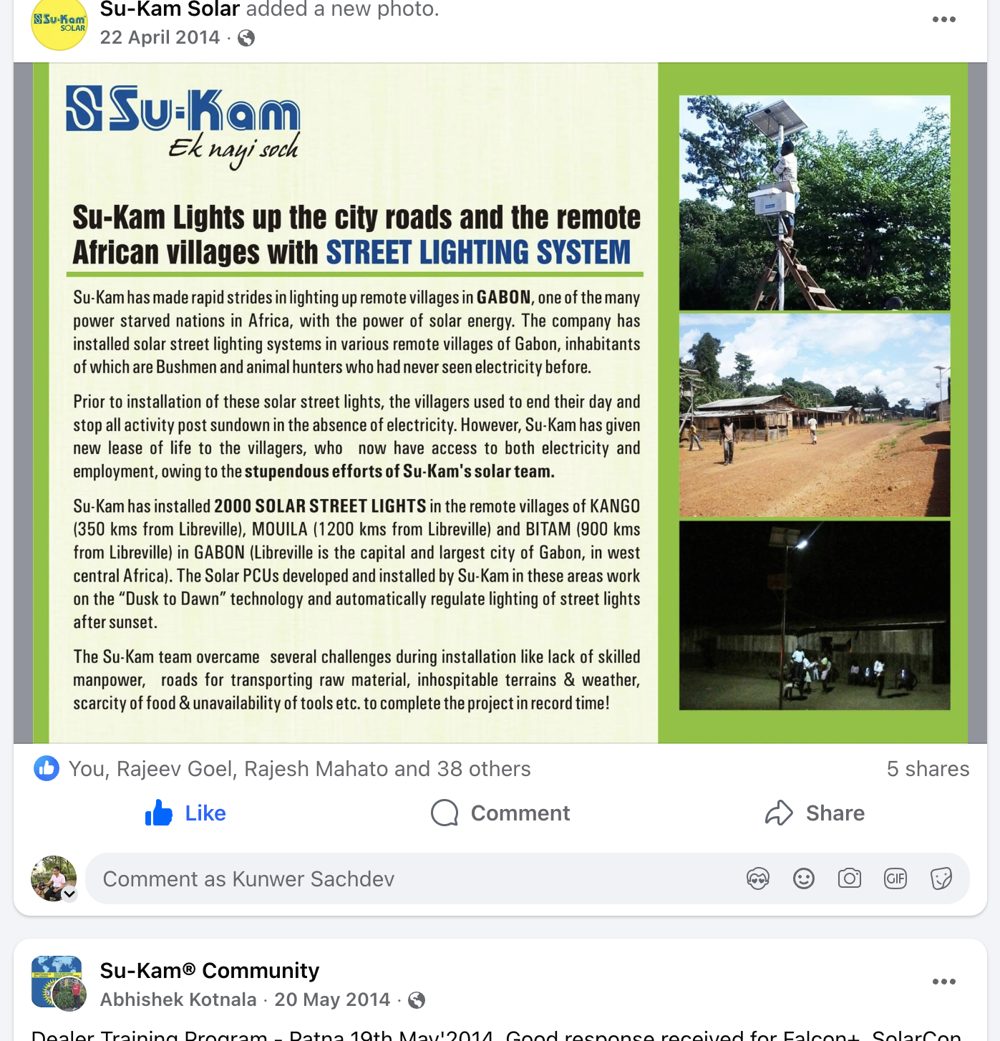
The 40,000-home contract did not appear from nowhere. Earlier, as OBG records, in 2013 Su-Kam completed about 2,000 stand-alone solar street lights in Kango, Mouila and Bitam, and a further 400 in the Nkok special economic zone. Brookings places the government selection for village street lighting around 2012. IANS via Daijiworld (Aug 2013) already named those three districts on an Indian wire.
Our March 2013 Facebook post is the photograph I still see: Bitam’s reddish road, poles along the verge, villagers enjoying light where the grid would never reach — 1,180+ and climbing. That street-light book is how Gabon learned Su-Kam before the household tender.
What I Want on Record
Street lights first. Then the biggest Gabon project: Embassy relationship, four flights, a French competitor we outran on trust, a ~$25 million award for 40,000 rural homes — and a successful install over the following two years.
OBG put both chapters in one paragraph. This blog is why that paragraph mattered to me.
Verified Sources
- Oxford Business Group — Gabon rural power: Su-Kam 40,000 homes ($25m, Jan 2015) + 2,000 street lights (2013) + Nkok 400
- African Energy (15 May 2015) — Gabon: Su-Kam brings power to rural households
- Brookings — Are Economic Relations with India Helping Africa? (Su-Kam Gabon street-lights box)
- Daijiworld / IANS (12 Aug 2013) — Rwanda wire naming Gabon Kango, Mouila, Bitam
- KunwerSachdev.com — Su-Kam Solar Projects: 10 Stories From the Field (Gabon)
- KunwerSachdev.com — Solar installation projects
- Wikipedia — Su-Kam Power Systems
- Facebook Archive — Gabon street lights cards
FAQ
What was Su-Kam’s biggest Gabon project?
In January 2015 the Government of Gabon awarded Su-Kam a five-year contract worth around $25 million to supply, install and service 120 W DC integrated solar systems for 40,000 rural households — three lights and a fan per house. Oxford Business Group and African Energy report the award. Kunwer Sachdev describes it as the biggest project Su-Kam won in Gabon.
How was the 40,000-homes contract won?
Founder-first-person: Gabon felt closer to Europe than a typical African market — French-speaking, with French influence across institutions. Kunwer Sachdev built a strong relationship with the Indian Embassy, visited four times, and competed against a French company (name not recalled). The award rested on trust and relationship as much as on the technical bid.
What about the solar street lights?
Earlier, in 2013, Su-Kam completed about 2,000 stand-alone solar street lights in Kango, Mouila and Bitam, plus a further 400 in the Nkok special economic zone — as Oxford Business Group records. Facebook archive posts show the Bitam dirt-road build at 1,180+ poles while work was still in progress.
Was installation completed?
Yes. After the January 2015 award, Su-Kam installed the rural household systems successfully over the next about two years under the five-year supply-install-service contract.