Books & References · The Solar Arc
From Inverters to MW-Scale Solar — The Nine Books That Chart the Solar Man of India’s Journey
By Kunwer Sachdev · The Inverter Man of India · The Solar Man of India ·
Nine published books and multiple India Today Group magazine editions have documented Su-Kam Power Systems and my work as its founder — from a 1999 mention in Dataquest right through to ProjectX Digest 2023. Twenty-five years of published record, across every kind of Indian publisher: IIMA, HarperCollins, Springer, India Today, Rashmi Bansal, Harsh Pamnani, Disha Publications, ProjectX Digest.
On kunwersachdev.com I have written a book-by-book note on all nine. On this page — solarmanofindia.com — I want to draw out the one thread that runs through the whole record but rarely gets isolated: the solar arc.
Because most people know me as the Inverter Man of India. Fewer know the road from that inverter work to India’s grid-tied rooftop solar, off-grid solar villages, and utility-scale solar-plus-storage projects. Those nine books, read in order, quietly chart exactly that transition.
The Nine Publications — All Front Pages

Plus Dataquest (CyberMedia, 1999) — the earliest published reference, from Su-Kam’s founding-era years. (No cover thumbnail preserved for that bound-volume issue.)
1. Dataquest 1999 — Where the story starts (before solar was cool)
CyberMedia’s Dataquest — India’s oldest IT trade magazine — put us on the record in 1999. That is a full decade before the Jawaharlal Nehru National Solar Mission set India’s solar tone in 2010. It matters because it establishes the founding-era chronology: we were building power electronics in India before India had a national solar policy at all. Everything solar Su-Kam later did was built on that foundation.
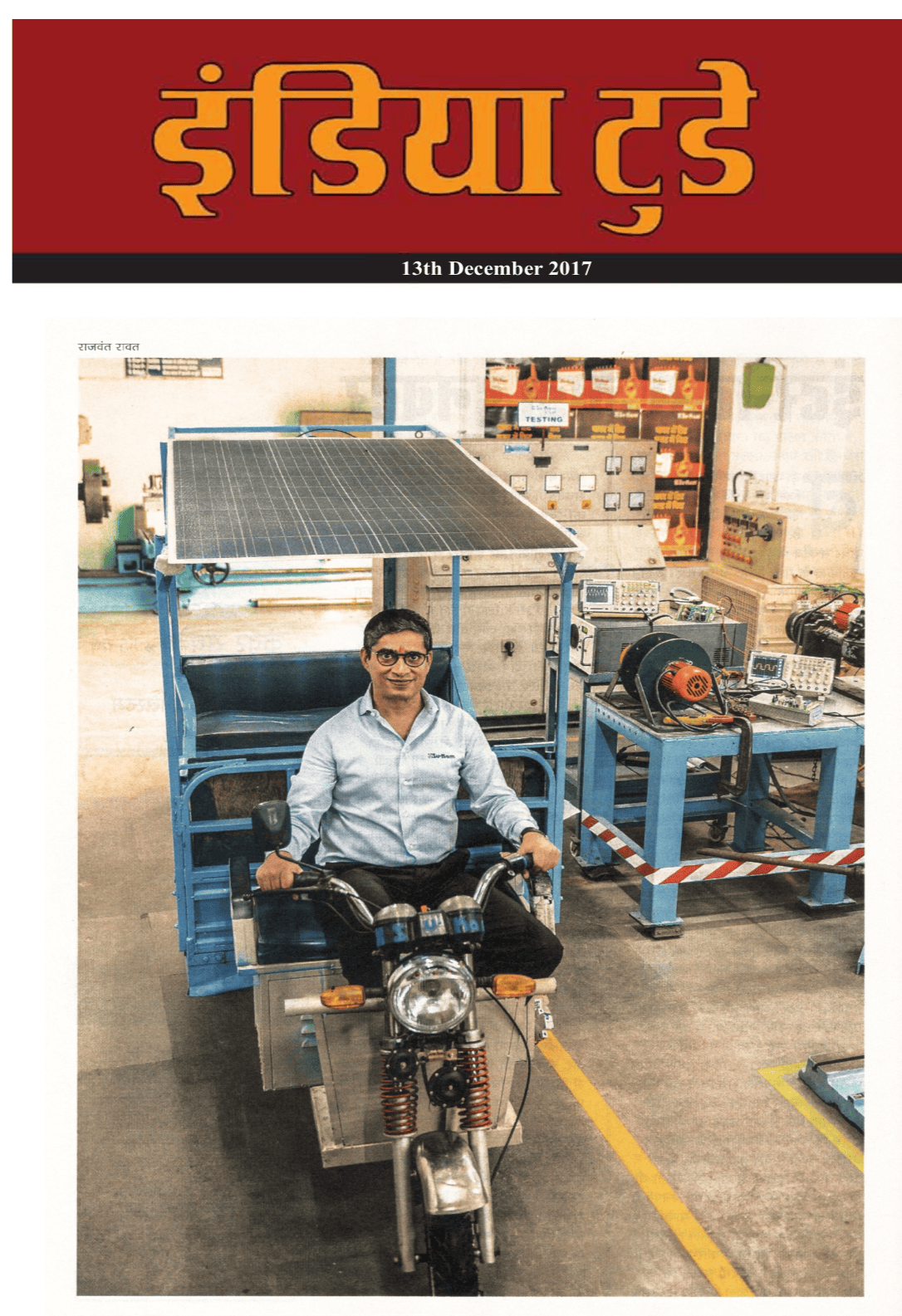
2. India Today 2006, 2009, 2010 — The inverter category becomes the launchpad
The India Today Group’s sustained coverage from 2006 to 2013 documents the inverter-era peak: 2006 (Volume 31, page 27) has me as CEO of Su-Kam; 2009 covers our Deep Discharge Sealed Maintenance Free (SMF) battery breakthrough and the industry-first two-year inverter-battery warranty; and 2010’s Independence Day special “Spirit of India: Ignited Minds” names Su-Kam’s plastic-body inverter among India’s Top 10 Innovations of the Decade.
Why this matters for the solar story: the battery and power-electronics muscle that India Today was documenting through those years is exactly the muscle that later let us build grid-tied rooftop solar, solar-hybrid inverters, MPPT charge controllers, and utility-scale solar-plus-storage systems. Solar doesn’t work without power electronics. India Today captured us mastering the second before we walked into the first. (For the detailed Top-10 story see our India Today feature blog.)
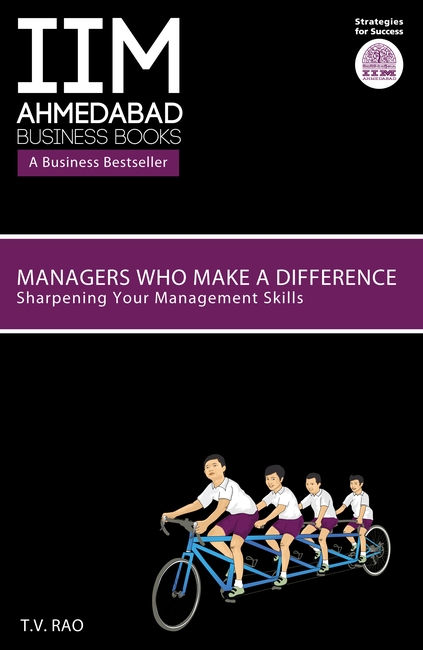
3. IIMA (T V Rao, 2010) & HarperCollins (Porus Munshi, 2010) — Recognised as a pattern, not a product
By 2010 something new happened: IIMA’s Prof. T V Rao and HarperCollins’ Porus Munshi both wrote about us not as an inverter company but as an Indian innovation pattern — identify an underserved Indian need, re-engineer from first principles, ship at national scale. Munshi’s book is literally called Making Breakthrough Innovation Happen: How 11 Indians Pulled Off the Impossible.
The pattern they identified is exactly the pattern we then applied to solar: identifying that Indian rooftops were unusable for solar under existing hardware, re-engineering the grid-tied inverter and MPPT stack for Indian grid conditions, and getting solar working at scale in Chandigarh, Agartala, Chennai Metro, army installations. Same pattern, new product category.
4. Rashmi Bansal — Connect the Dots (2010) — The non-MBA founder building for India
Rashmi Bansal’s Connect the Dots profiled us among 20 founders who built without MBAs. That framing is important for solar too: what India’s solar buildout needed in 2011–2015 wasn’t an MBA-first approach — it was engineering-first founders willing to run factories, install rooftop plants on college campuses in Chandigarh, and put off-grid solar into North-East Indian towns nobody else wanted to serve. (See the SECI 2014 Punjab Engineering College story for how we did exactly that.)
5. Springer India 2014 — Su-Kam enters the academic literature on Indian innovation
Springer’s Organisational Flexibility and Competitiveness (2014, DOI 10.1007/978-81-322-1668-1) placed us in the peer-reviewed academic record — page 81 names me among India’s Top 10 SME entrepreneurs recognised by SME Channels. This is the same year we won the SECI grid-tied rooftop tender at Punjab Engineering College, Chandigarh — India’s largest rooftop solar plant at an educational institute at the time, commissioned in 2015 and later filmed by Discovery Channel in Sun Fuel India.
Two very different books — a Springer academic volume and Discovery Channel’s Sun Fuel India — capturing the same moment: Su-Kam pivoting into solar under founder-led engineering leadership.
6. Harsh Pamnani — Booming Brands (2018) — Su-Kam as a Made-in-India solar-era brand
By 2018, Su-Kam wasn’t just an inverter brand anymore. Pamnani’s Booming Brands profiled us as one of 11 “Made in India” brands whose journey aspiring Indian entrepreneurs should study — and by then Su-Kam had shipped solar to 90+ countries, delivered off-grid solar villages in Rwanda and Gabon, and built modular solar inverters that let customers add solar to an existing UPS later.
7. Disha Publications (2019) — In the general-awareness reading list
Being in Disha’s MAT/MBA entrance exam reference book, listed alongside Lakshmi Mittal and Sanjay Kirloskar, meant our story reaches hundreds of thousands of Indian students preparing for MBA entrances every year. Many of those students will go on to buy rooftop solar systems for their homes and their businesses over the next decade.
8. ProjectX Digest 2023 — The MW-scale solar-plus-storage present
The most recent published reference — ProjectX Digest 2023: Special Edition by Sandeep Sharma, page 77 — documents Su-Kam as the implementation partner on TEDA’s 1 MW solar-plus-storage project in Dindigul, Tamil Nadu (4 MWh storage capacity, under implementation). This is the closing bracket of a twenty-five-year arc: the same founder-led company that Dataquest wrote about in 1999 is, in 2023, still on the printed record — now for utility-scale solar-plus-storage, not home inverters.
What the nine books add up to, on the solar side
“Nine books over twenty-five years is not a personal record. It is the paper trail of a category. India’s transition from inverters to grid-tied rooftop solar to solar-plus-storage runs through a small number of founder-led Indian companies. Su-Kam is one of them, and these nine books are how India’s editors, academics and industry writers chose to document that.”
If you want the full book-by-book treatment — every cover, every citation, every reference — read the complete blog on kunwersachdev.com. The consolidated Books page has every reference laid out with quotes and Google Books deep-links.
But if you take one thing from this page, take this: the solar work is not a separate chapter from the inverter work. Nine independent books, over a quarter century, quietly say the same thing — the Inverter Man of India and the Solar Man of India are the same story, told across time.