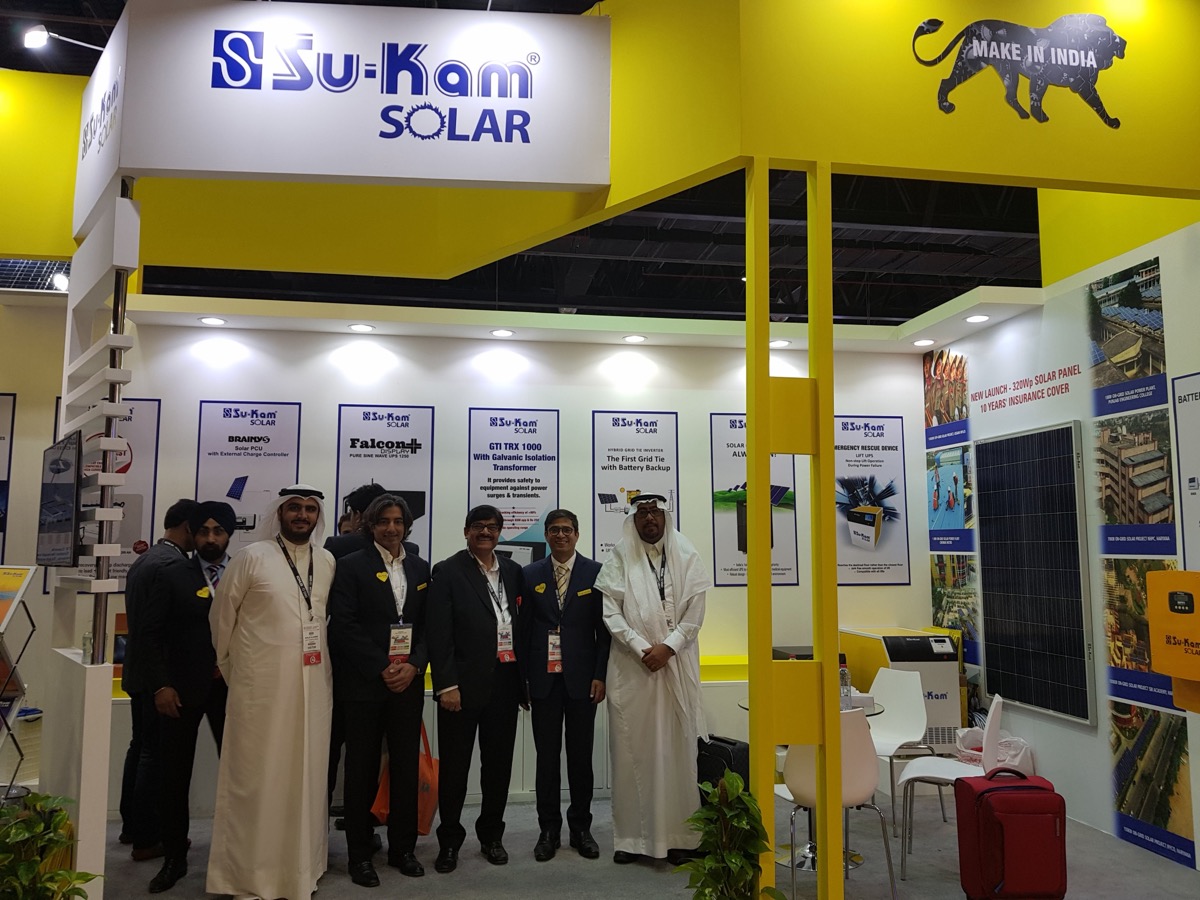
The brand that travelled — into 90 countries
The first Indian inverter company to earn the CE mark — 90+ countries, 185,000+ installed units, and a founder who went where others wouldn’t.
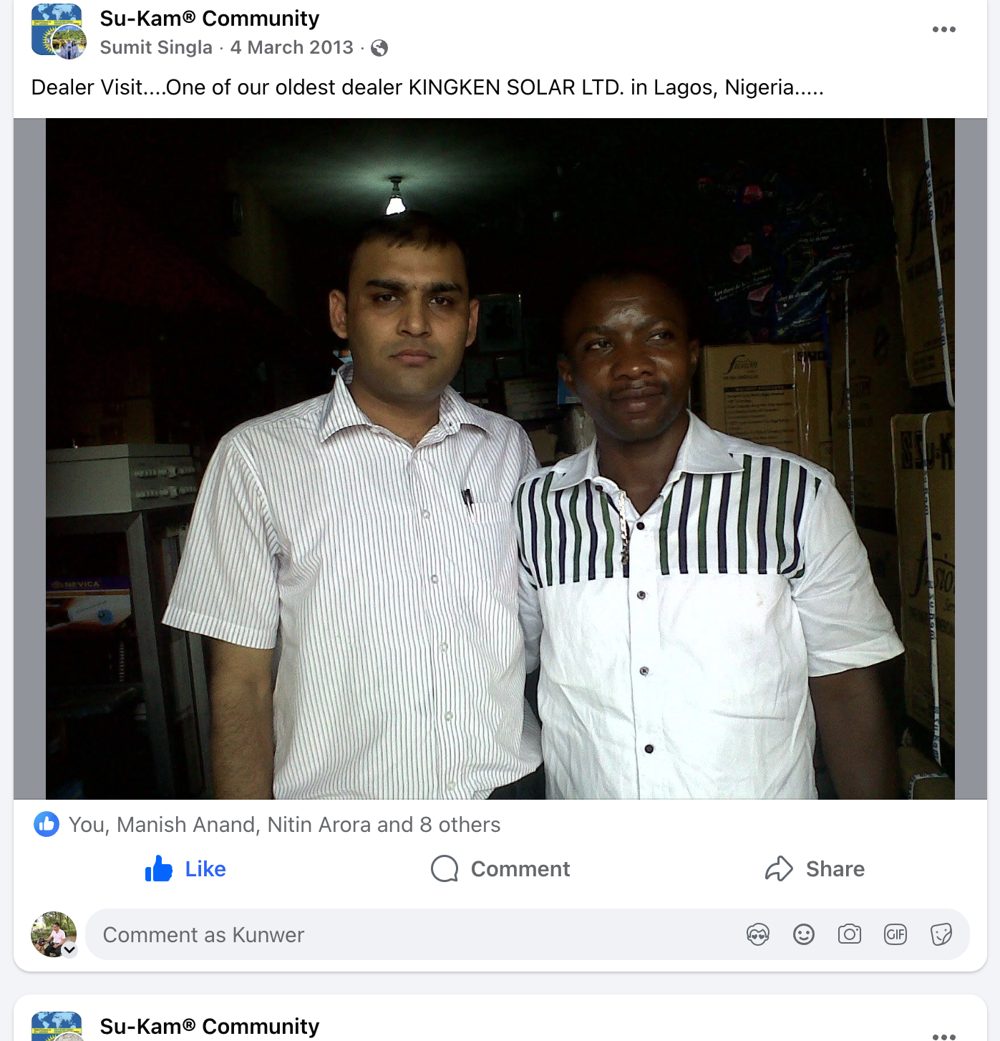
To sell in Europe you need the CE mark, and Su-Kam was the first Indian inverter company to earn it, certified by DNV. We began exporting to Sri Lanka in 2003 and grew to more than 90 countries and 185,000+ installed units — Nigeria, Kenya, the Gulf, Nepal, Afghanistan, Bangladesh, Burkina Faso and beyond. We even engineered our hybrid inverter to lock onto the weak voltages of those grids; if it worked in Nigeria, it would work almost anywhere.
The first lesson of global export is one nobody prints in a business book: you have to be willing to go where others won’t. In 1995 my family and friends were against the travel — there was no law and order in many of these countries, being vegetarian meant struggling for food across Africa, hotels were basic and the power was as unreliable as the safety. I was mugged more than once in Nigeria. But each time, the spirit to build a global market came back stronger than the fear — because I had seen the energy crises my products could solve, the businesses that stayed shut for want of power, the communities that had never known electricity. That vision was always louder than the danger.
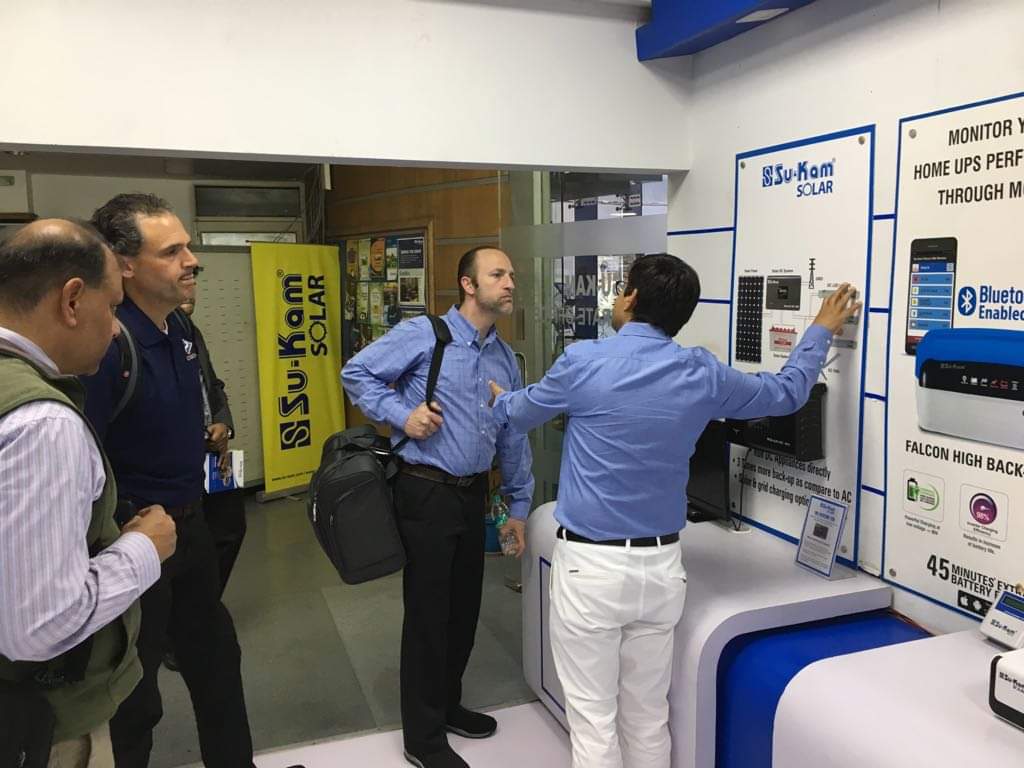
I did not export from a desk. I flew to these markets myself, walked them, and carried Su-Kam’s branding into Africa, the Middle East, Bangladesh and Nepal exactly as I had across India — because a brand that travels with its founder travels further. To prove a giant inverter could replace a diesel generator, I built “Power on Wheels” — a 100 KW inverter mounted on a truck, thirty batteries and all — and drove it through cities big and small, a rolling showroom that put our technology in front of the whole country.
“A brand that travels with its founder travels further. I didn’t wait for the world to find Su-Kam — I carried it there myself.”
CE mark
1st Indian inverter co.
90+
countries
185,000+
installed units
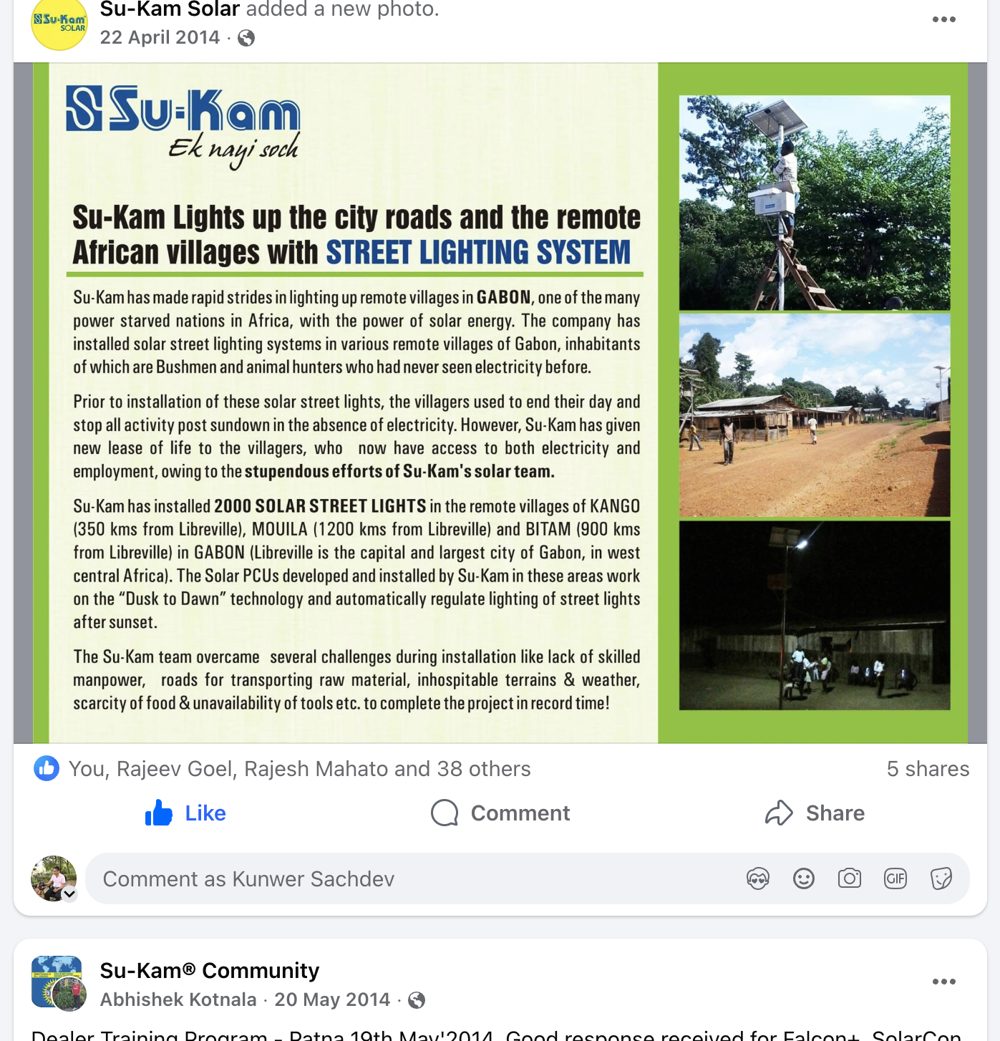
Africa — lighting up a continent
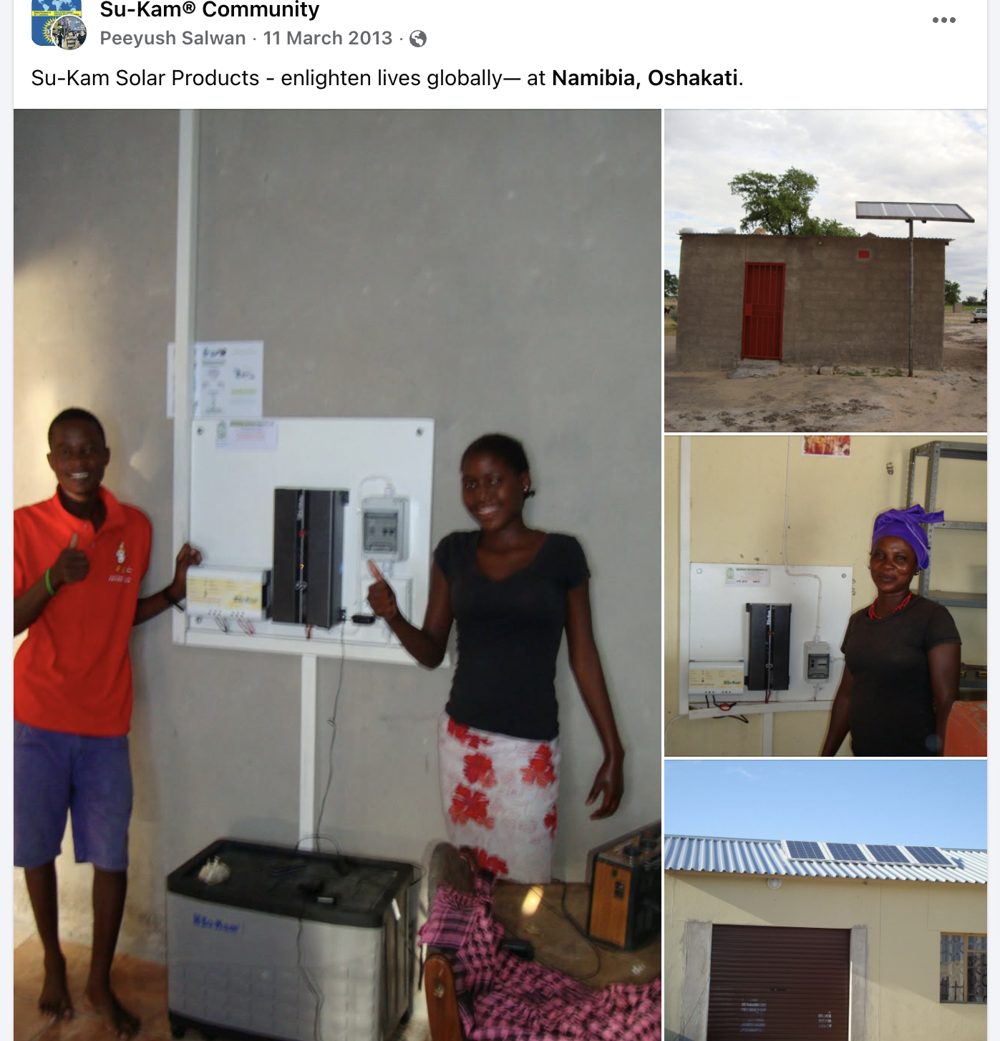
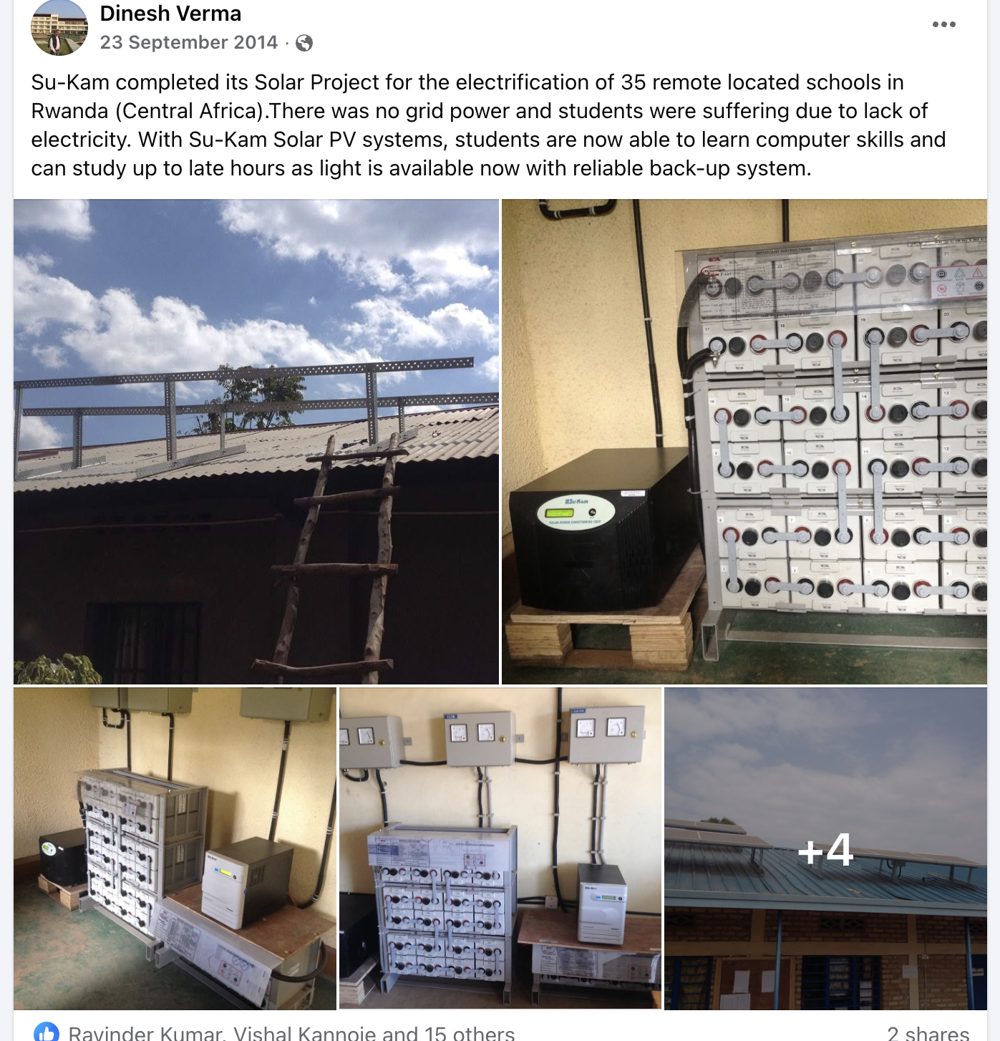
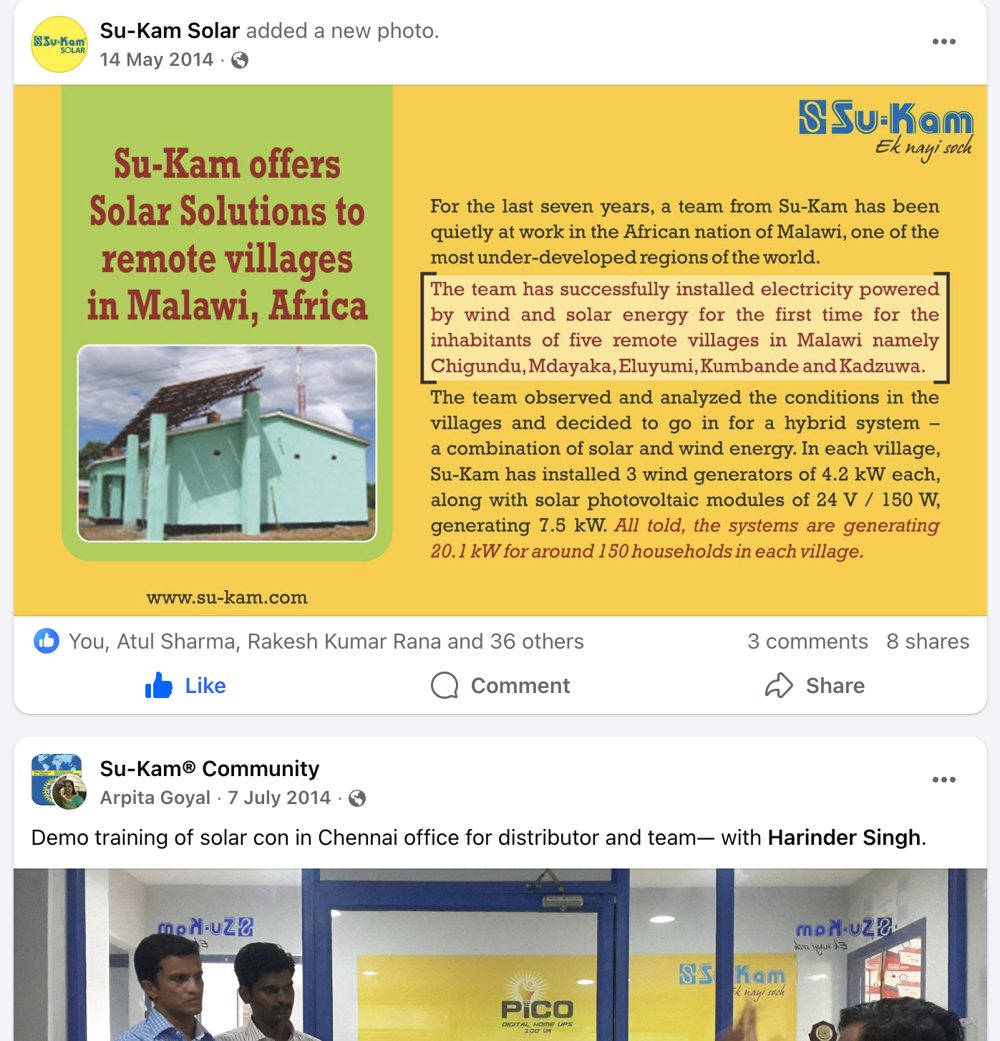
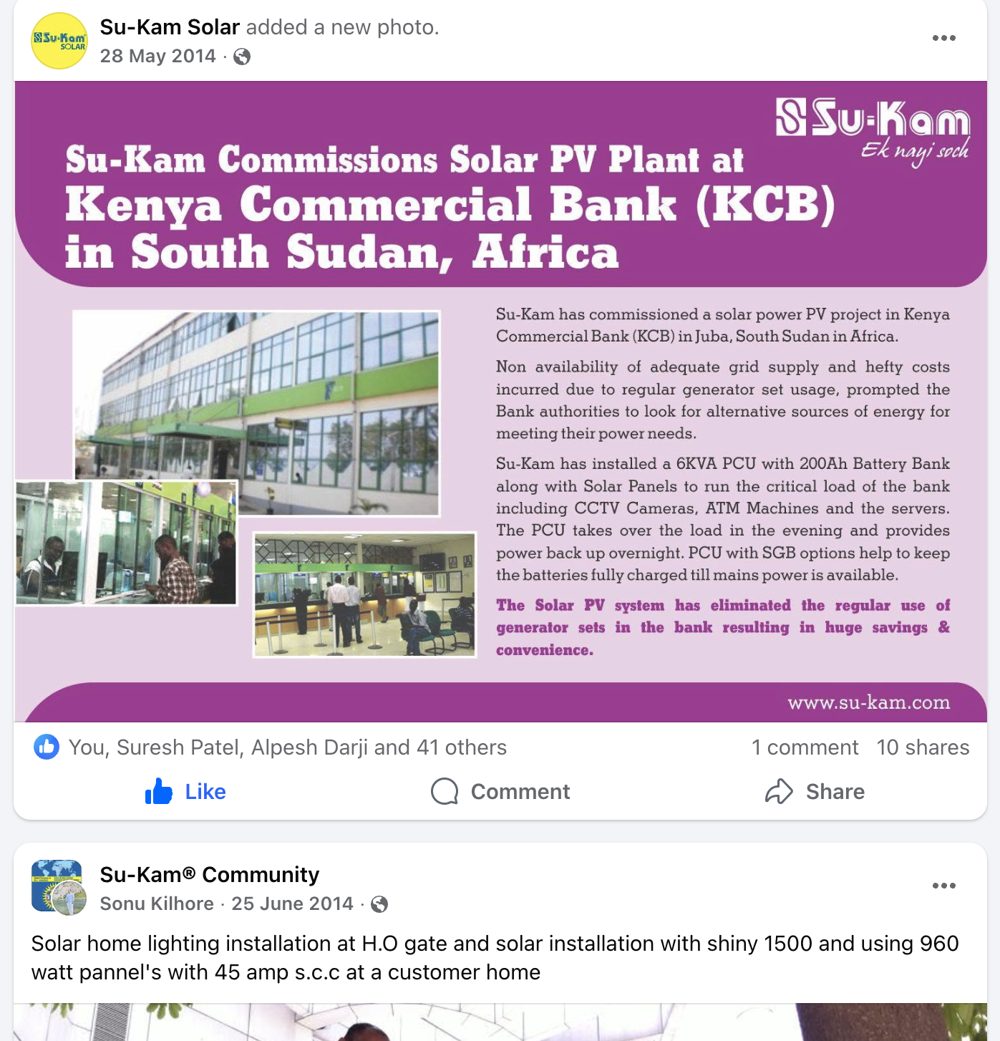
Africa grew into 20–25% of Su-Kam’s revenue, and it was never only about selling boxes. Nigeria made us the #2 inverter brand with 10,000+ installations. In Gabon we put up 2,000 solar street lights across Kango, Mouila and Bitam — safety, for the first time, in villages that had never seen nighttime electricity. Malawi gained five villages electrified on solar-wind hybrids; Rwanda got 35 schools on solar; Uganda became a regional hub. Nine-plus African countries in all.
We won the award for “Africa’s Most Reliable Inverter Brand.” But the real award was the farmer who could work longer hours, the students studying at night, the clinics that could finally refrigerate a vaccine. Our work there was reported by African Review and The Guardian, Nigeria, and carried by partners still selling today — Transez Nigeria and SolarKobo.
10,000+
African installations
2,000
Gabon street lights
35
Rwanda schools on solar
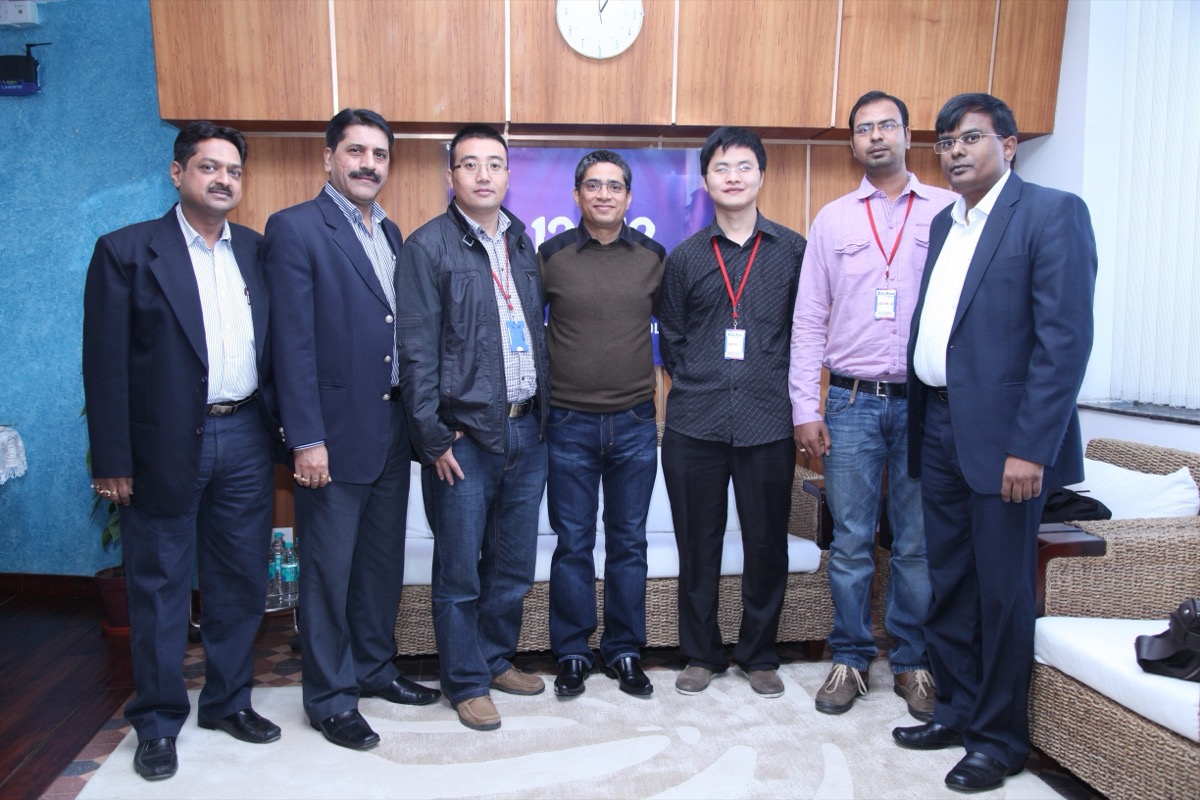
South Asia — Nepal’s hub and Bangladesh’s surge
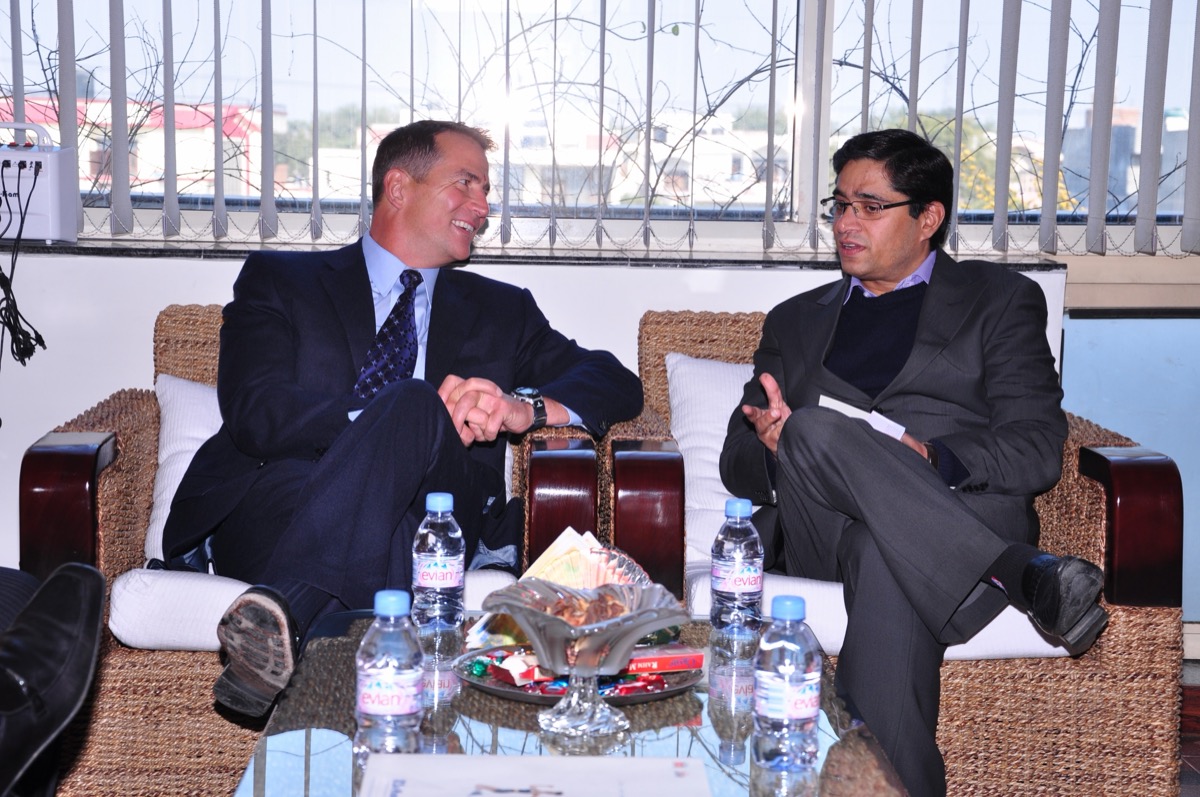
Nepal taught me that manufacturing near your market cuts cost and response time dramatically. We built a facility there, trained local technicians, and supported distributors in remote mountain districts living with 8–12 hours of daily power cuts — reaching 50,000+ installed units and a commanding share of the organised segment. Partners like Quality Computer and Battery Mart still carry the name.
Bangladesh became the fastest-growing market of all — 100,000+ installations, the #1 preferred brand, growing 20–25% a year and displacing Chinese and American brands on quality and reliability alone. The tropical climate, the frequent outages, the rapid industrialisation — it was made for hybrid solar-grid systems, and we solved energy independence for homes, hospitals and small businesses across the country, alongside distributors like ACMart.
50,000+
Nepal units installed
100,000+
Bangladesh installations
#1
preferred brand, Bangladesh
The Gulf and Afghanistan — headquarters and the hardest road
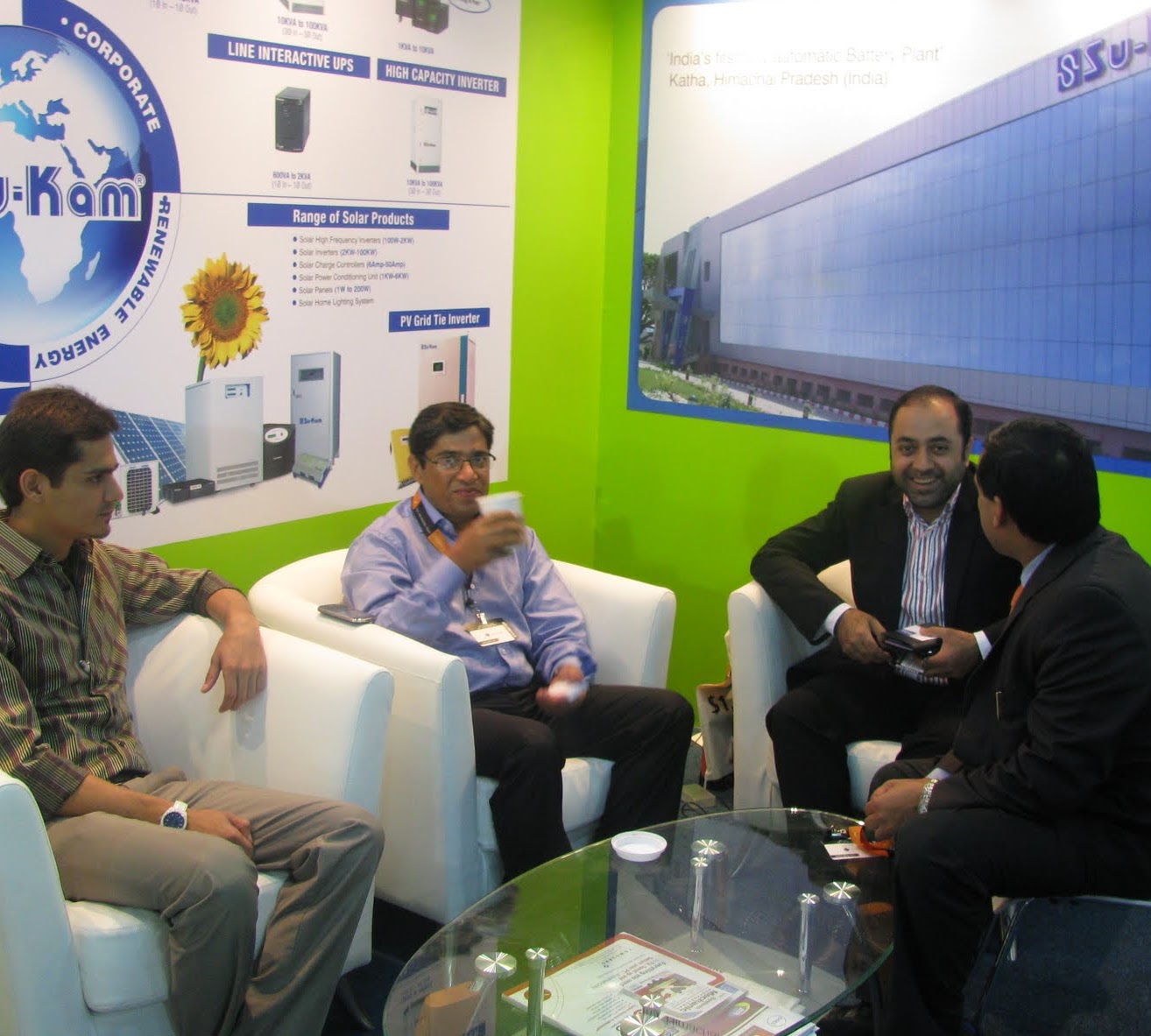
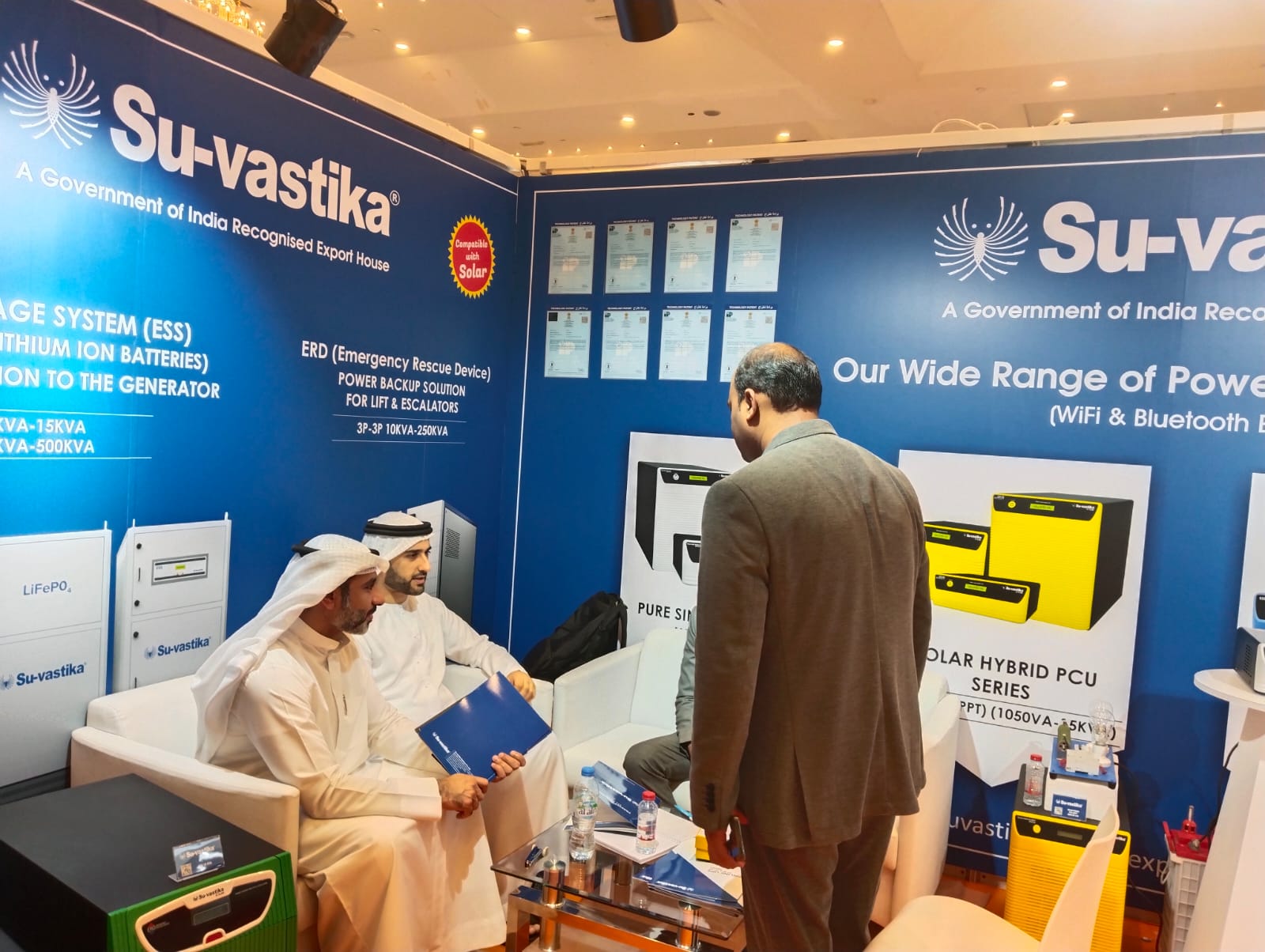
Dubai wasn’t just a market — it became our operational headquarters for the whole Middle East, with branch offices in Business Bay and Sharjah and 25,000+ units across the UAE, Saudi Arabia, Qatar, Kuwait, Bahrain and Oman. A hub-and-spoke model let us serve the oil-rich Gulf, coordinate government relationships, and power critical infrastructure across six countries.
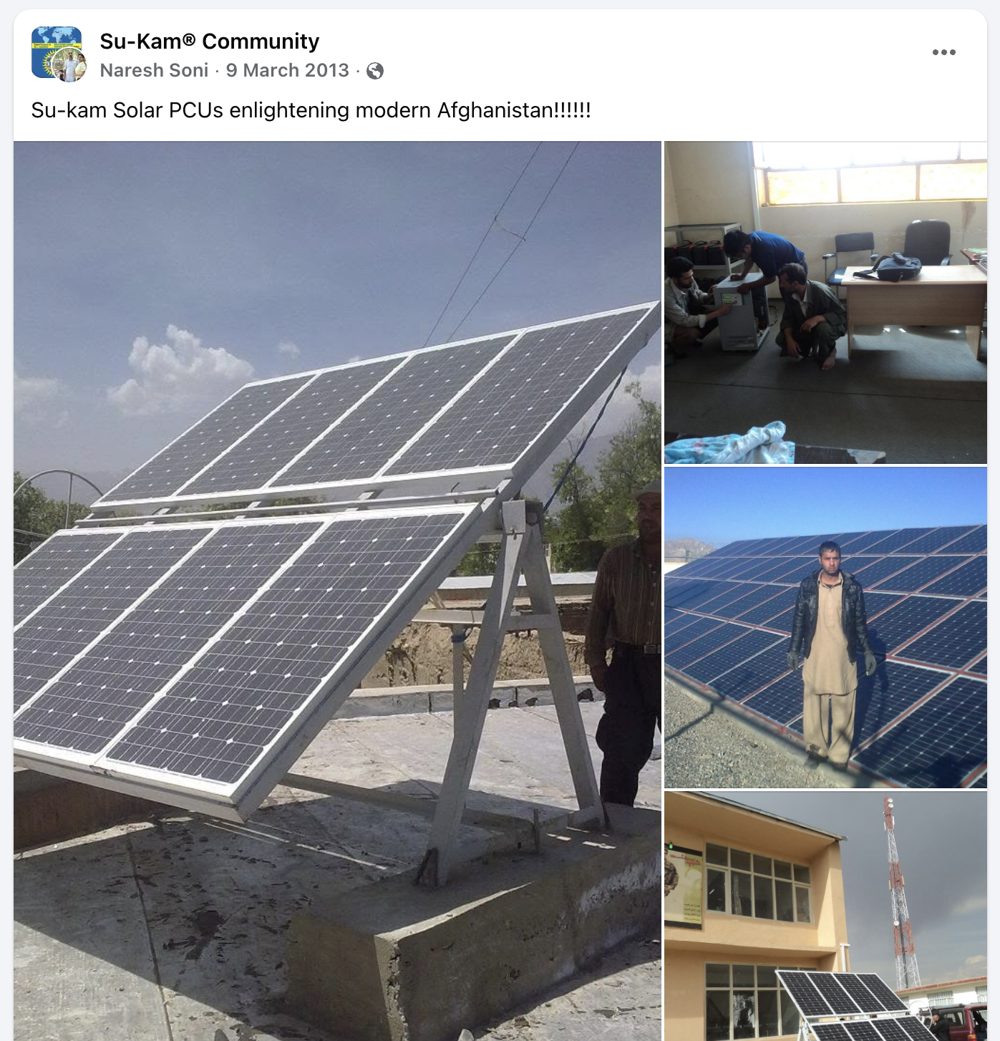
Afghanistan was the hardest place I ever carried the brand. Travelling there meant facing family opposition more fiercely than anywhere, and security that could turn in an afternoon. But we went — because we understood a government energy crisis where more than half the population had no reliable power. We won a mandate for communication-tower solar systems across 17 provinces, delivering turnkey backup and becoming the largest solar turnkey provider in the country, as ElectronicsMaker reported at the time.
25,000+
GCC units, 6 countries
Dubai
Middle East HQ
17
Afghan provinces

The frontiers we were reaching for
Southeast Asia gave us a service centre in Vietnam and a growing presence across Thailand, Indonesia, Malaysia, the Philippines, Singapore, Myanmar, Cambodia, Laos, Brunei and Timor-Leste — eleven countries positioned right inside the world’s solar manufacturing belt. And beyond them lay the last great frontier: South America — 430 million people, industrial power demand, and almost no organised competition. Brazil, Argentina, Chile, Colombia, Peru and more. We had mapped the entry. It was about to begin — and then Su-Kam faced the crisis that became the next chapter of this story.
Three lessons from the road
Beyond the country-by-country journey, three patterns from real shipments taught me what quietly turns a winning order into a stranded one — a container held at Lagos port for one missing SONCAP certificate, a single document that cost us around $200,000 in demurrage and a furious buyer; the buyer who asks for a free “sample” order of 200 units and promises 10,000 more “if the market responds well,” and the market never responds; the letter-of-credit clause with a single wrong word — “destination” instead of “discharge port” — that an issuing bank used to refuse payment for months.
I paid for every one of those the expensive way. Those hard-won export scars are exactly what I’ve now encoded into my AI Export Hub at kunwwer.ai — the certifications, the buyer-qualification checks and the L/C cross-checks — so the next Indian exporter can start with the system I had to learn the hard way.
Su-Vastika — the comeback that exports again
The story didn’t end at the fall. Su-Vastika — the company my wife Khushboo founded and I mentor — carried the same engineering forward, reaching 45 countries across four continents in just two to three years and earning STAR EXPORT HOUSE recognition, leapfrogging on lithium, AI-driven power management and IoT. And I poured my own refusal to stop into kunwwer.ai, the company I founded to encode three decades of hard-won lessons into AI. From bankruptcy to building again — proof, to no one more than myself, that I could do it again.
STAR
Export House
45
countries in 2–3 yrs
4
continents