Going solar — and India’s first 1 MW grid-feed plant
I built a separate team just for solar projects — and with it installed India’s first 1 MW grid-feed plant, then took solar to the border, the villages, and two villages lit with Dr APJ Abdul Kalam.
Building a separate team to take solar to the ground
Selling an inverter and executing a megawatt solar plant are two completely different things. A product you ship in a box; a solar plant you have to survey, design, structure, wire, synchronise to the grid and then maintain for years. So I did something I had never done before — I started a separate Solar Projects Division, a dedicated team of engineers, project managers and site crews whose only job was turnkey solar. I hired people who had no solar background, because in those early years solar barely existed in India — so we more or less created the expertise ourselves, and started bidding.
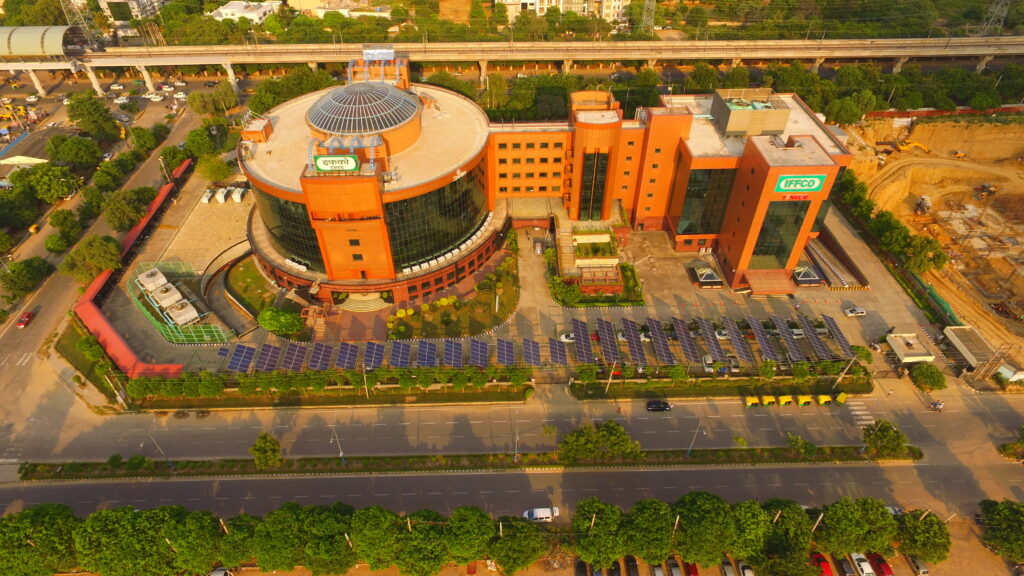
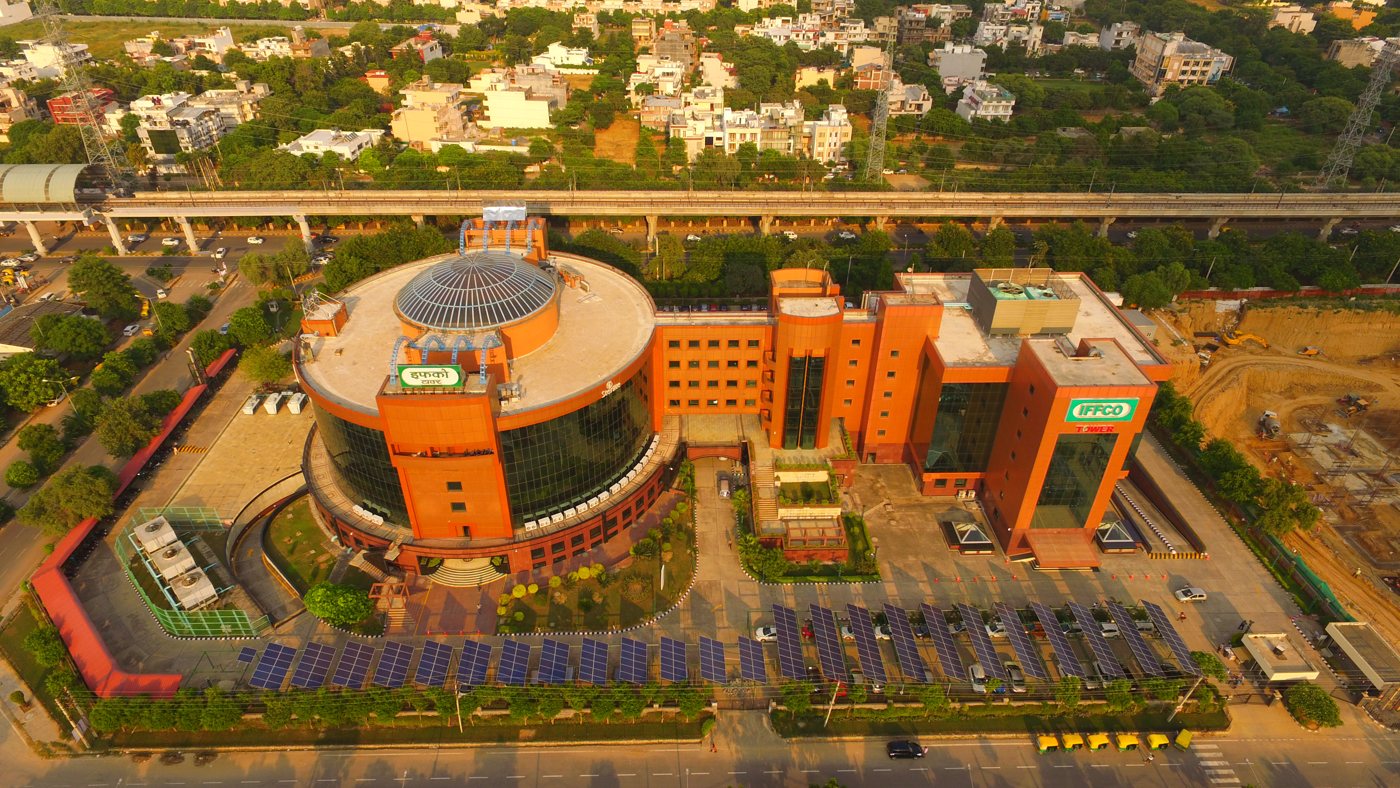
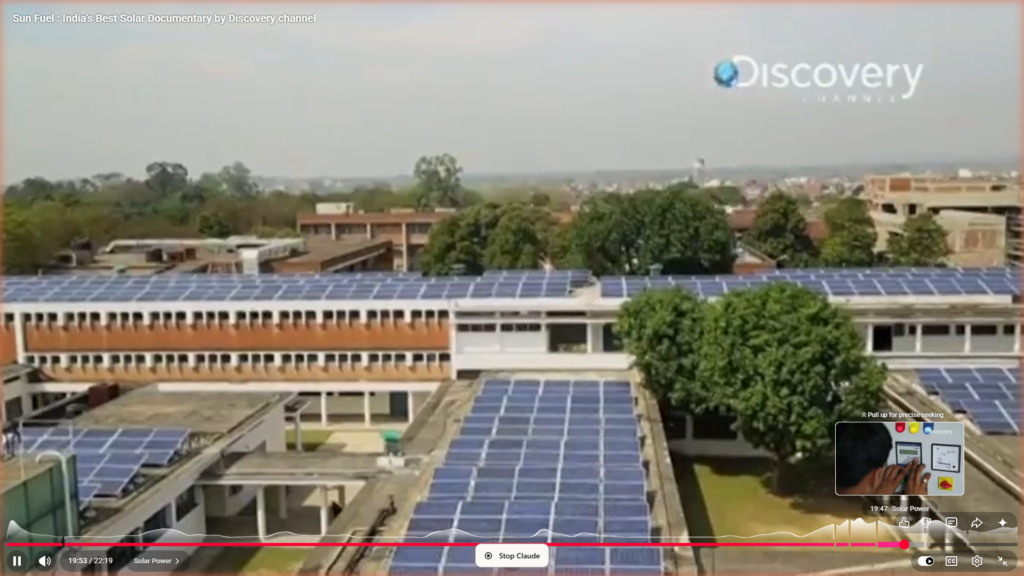
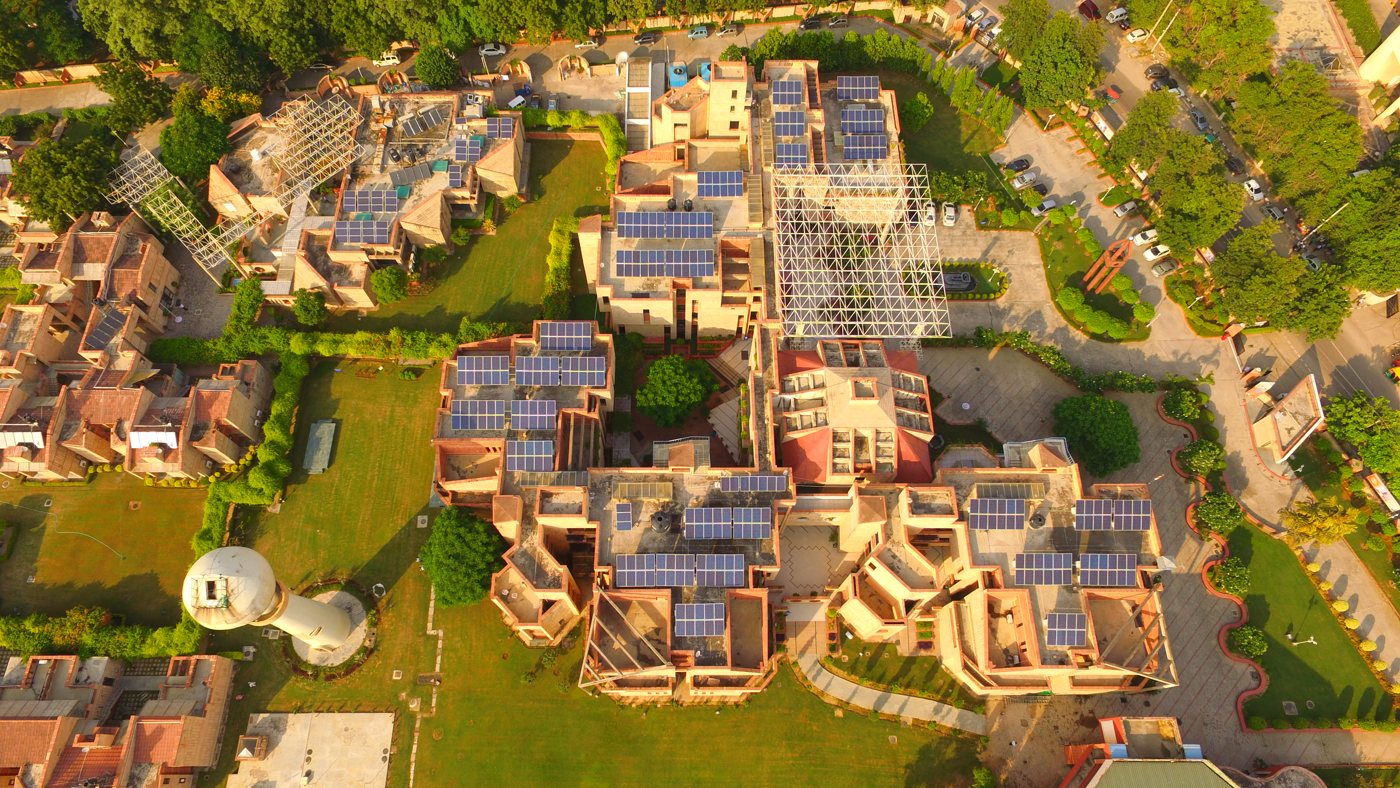
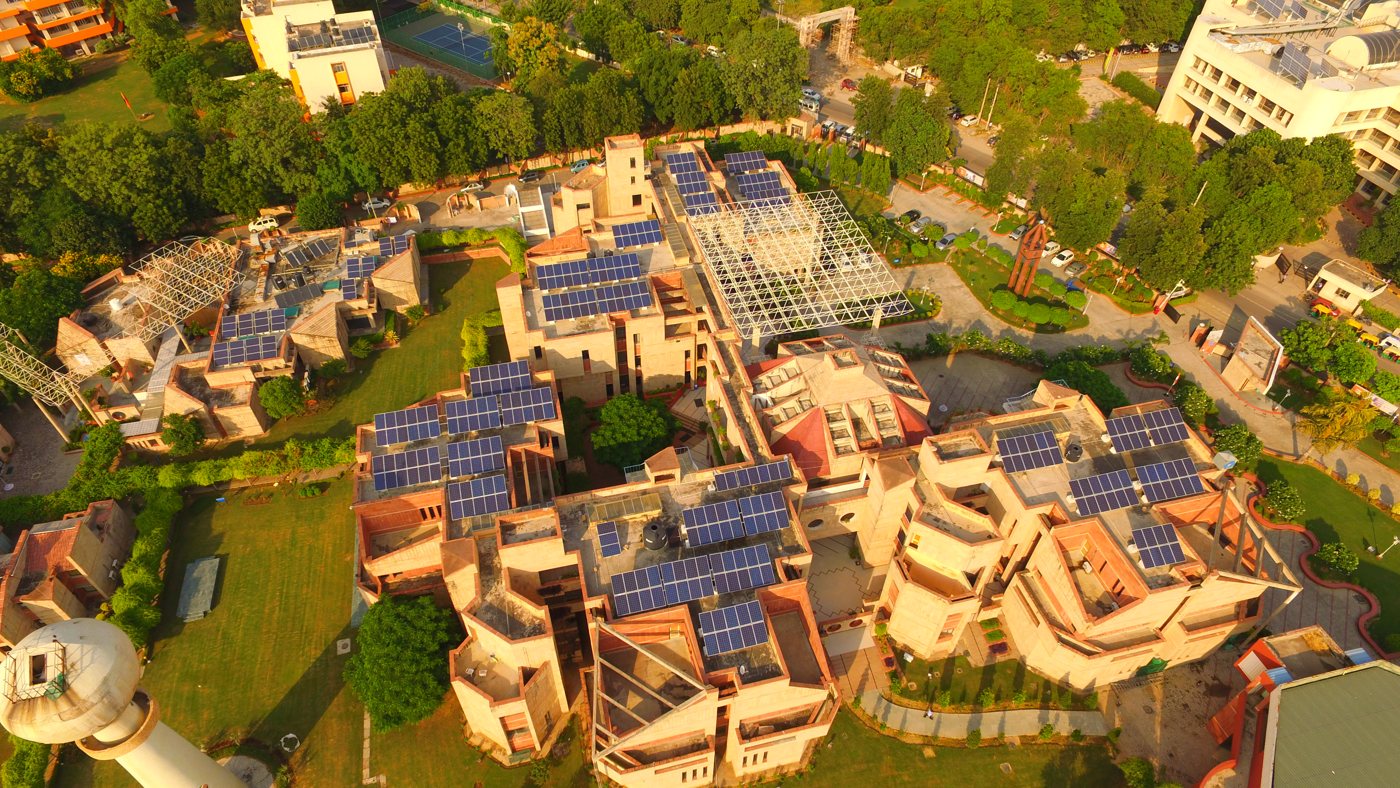
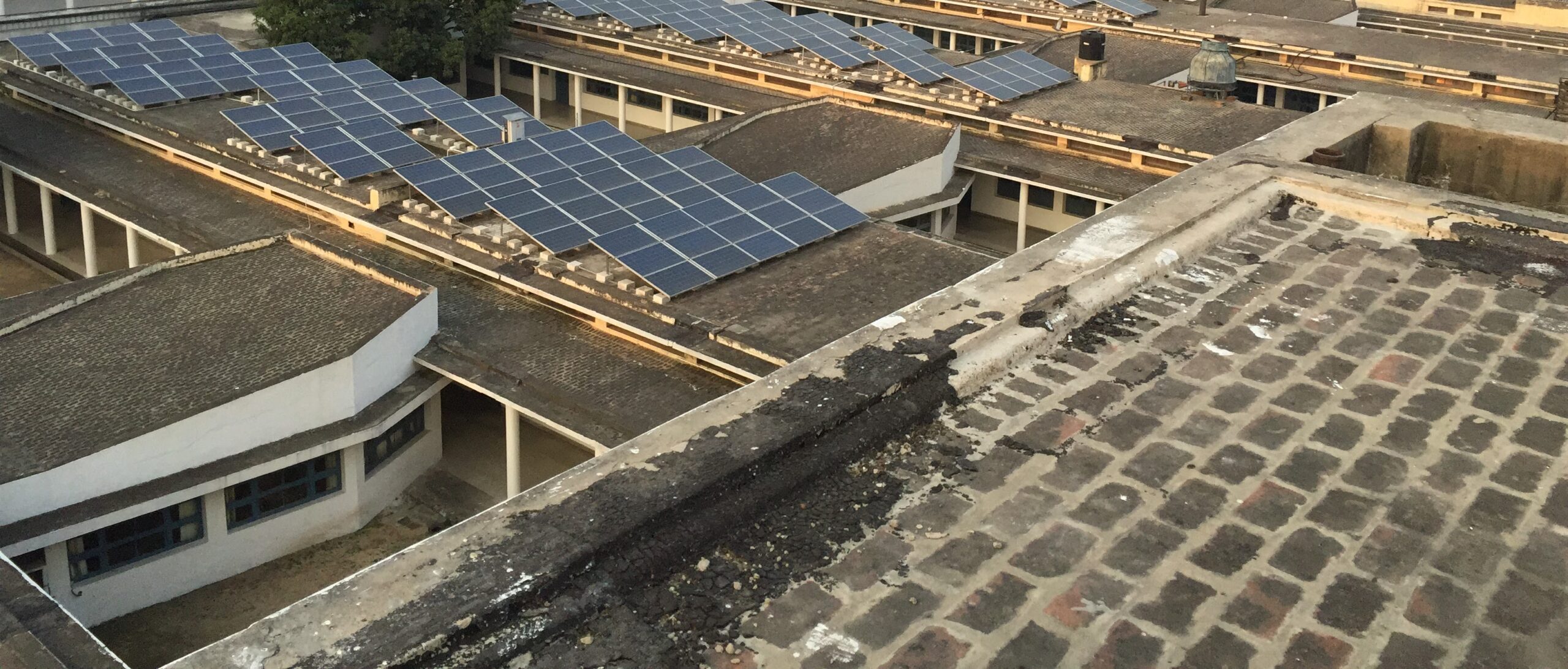
Our first allocation was 2 MW under SECI’s first phase, and around 2011 we executed our first megaproject — the ~1 MW on-grid plant at Punjab Engineering College, Chandigarh, won on open tender against huge competition, with a ten-year maintenance commitment. It was, to my knowledge, India’s first 1 MW grid-feed solar plant — and installation and audit agencies didn’t even exist yet, so we learned everything the hard way. After PEC there was no looking back: we solarised Chennai Metro (2013), IFFCO’s Gurgaon headquarters, the SBI Academy (cutting its power bill by nearly 70%), turned ITM University’s car park into a solar carport, and put up our first grid-tied school plant at Shivalik Public School, Patiala. An inverter company, delivering utility-scale solar — because I had built the team to do it.
“Anyone can sell a box. Putting a megawatt of solar on the ground and feeding it to the grid takes a team — so I built one from scratch, from people who had never seen solar before.”
Power where the grid had given up
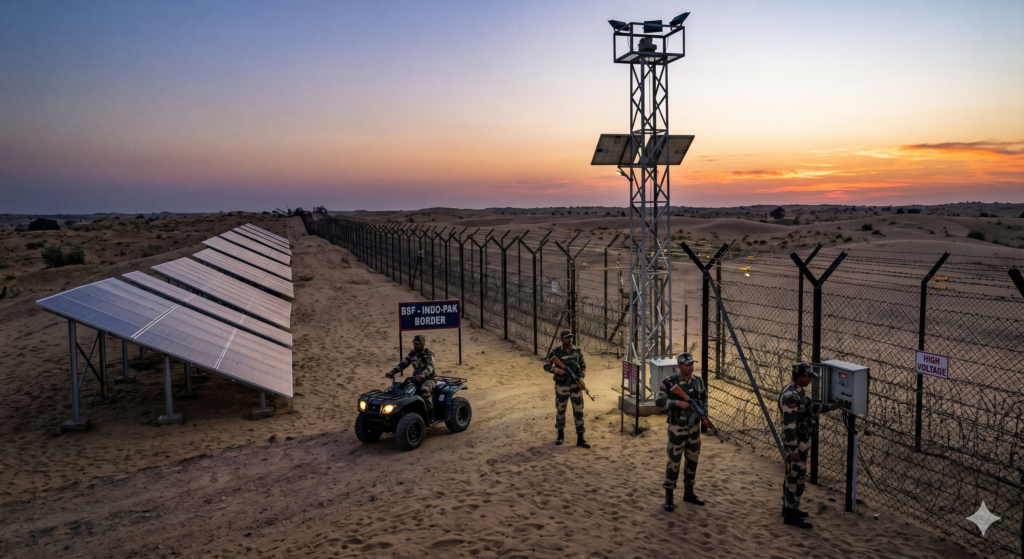
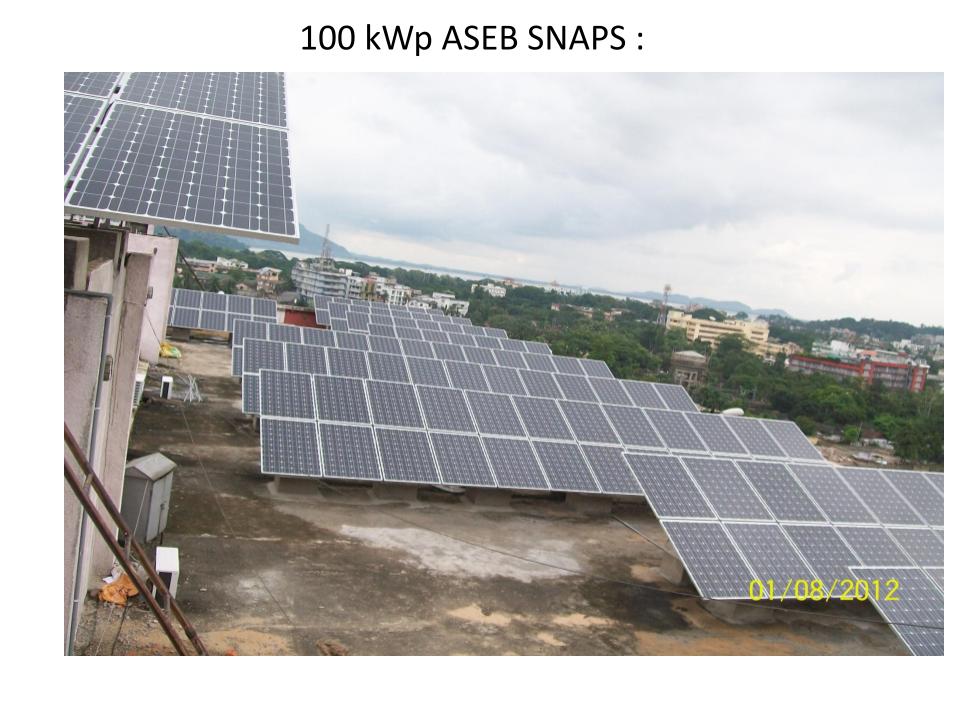
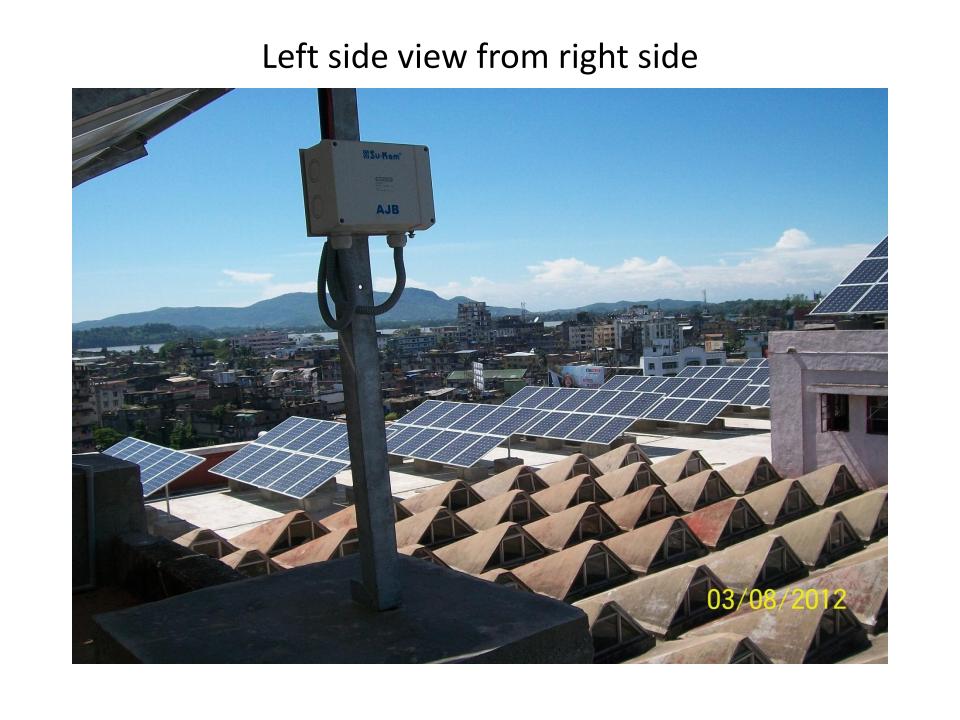
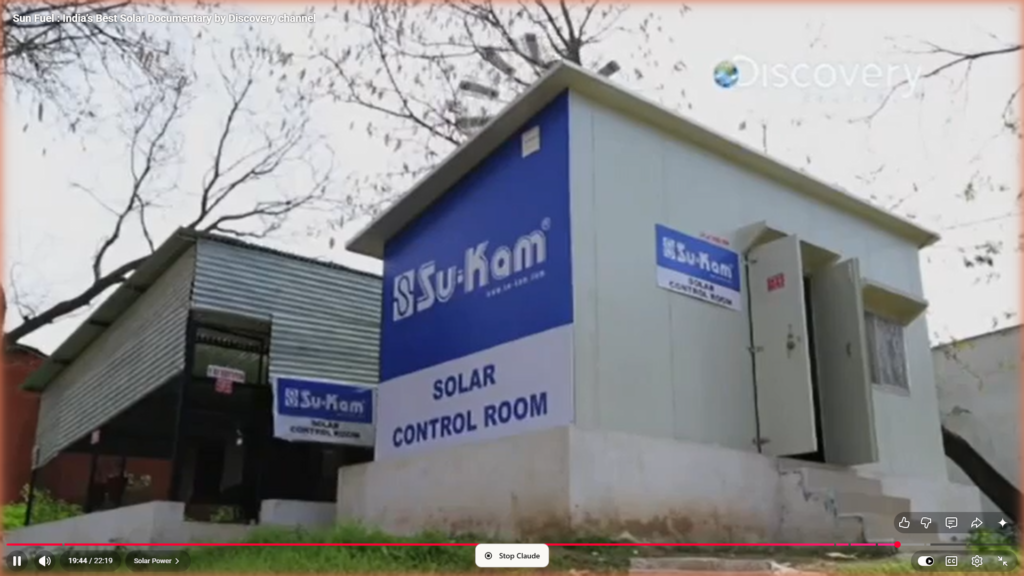
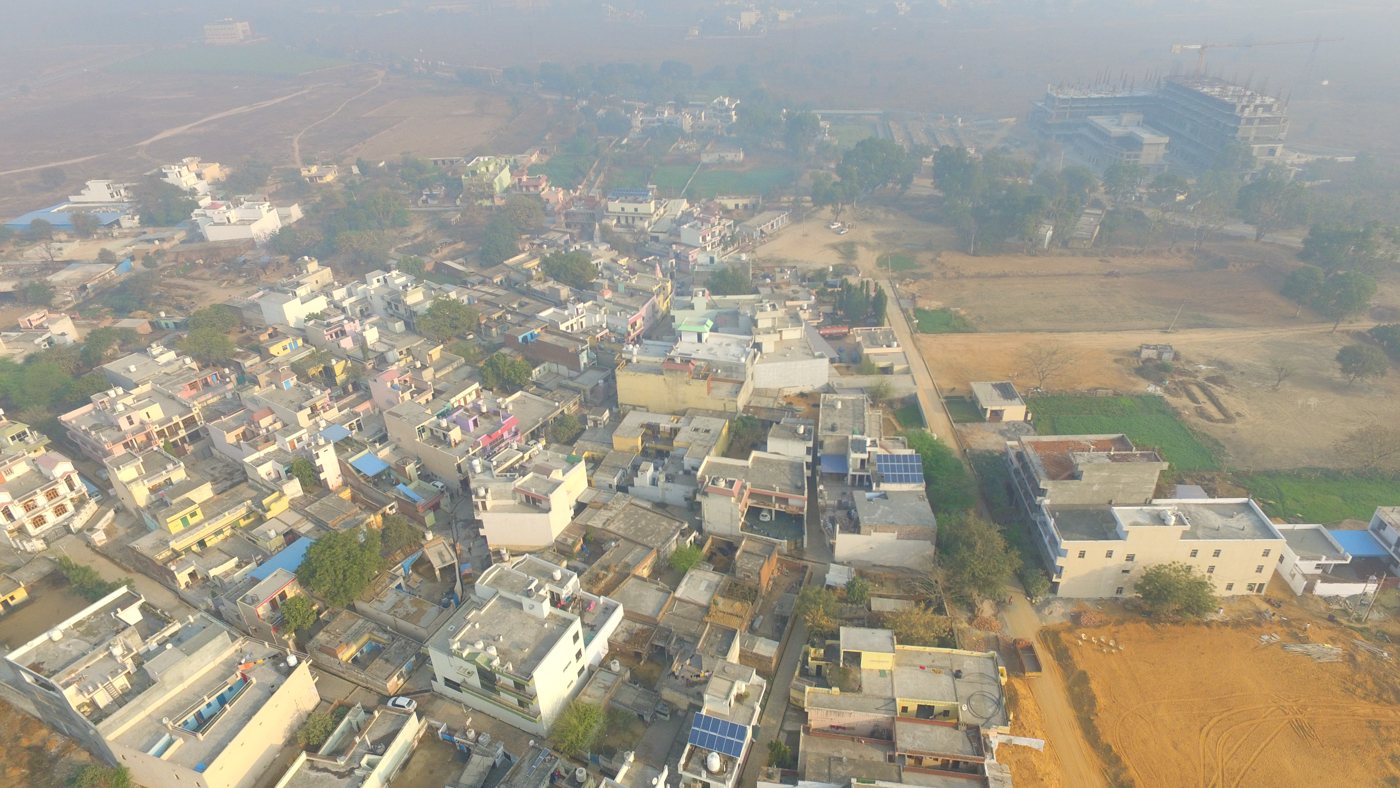
With that team in place, the other half of the story was where the solar went — to the places the grid had forgotten. We designed and executed India’s first solar-powered border fencing for the BSF on the Indo-Pak border. For the Assam Rifles we installed off-grid solar at seven far-flung sites — 100 and 150 kW plants, in a joint venture with the state-owned REIL — with a remote-monitoring system we designed for all seven; hauling diesel there had been costly and dangerous, and after our systems went in the generators barely ran, saving around ₹11 lakh a year. We even trained the Assam Rifles’ own technical teams to run them. In Arunachal we delivered a 600 kW grid-feed plant and eventually worked across all seven North-Eastern states; we anchored India’s first solar city at Agartala; and under the Lohia Awas Yojana we put 100-watt DC solar systems into 40,000 rural homes that had never had grid power.
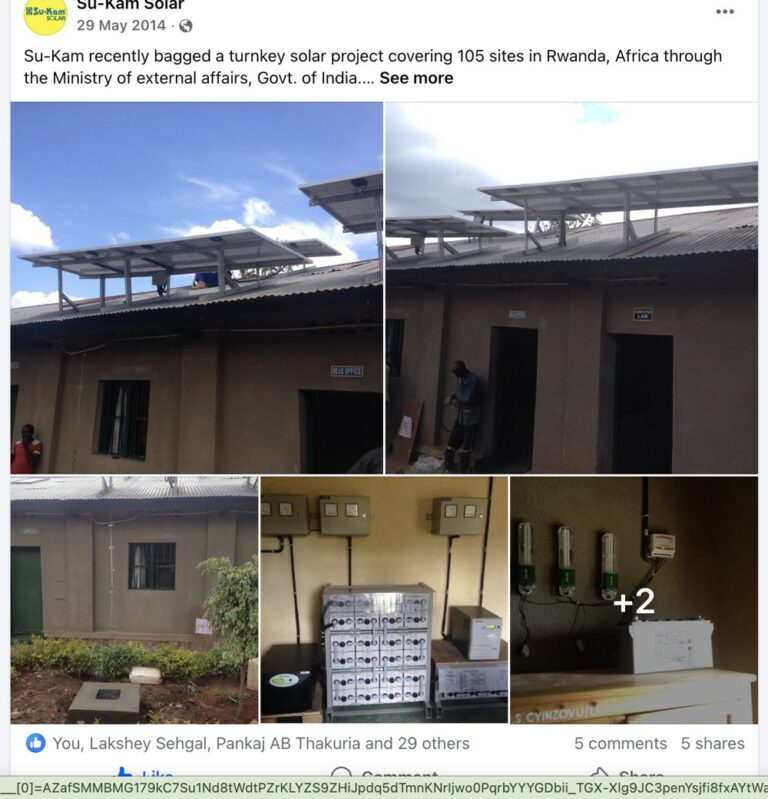
The proudest moment of all came in 2015, when Dr APJ Abdul Kalam joined us to light up two villages with solar — just twenty days before he passed away. We carried the mission abroad too: in 2010 we built one of the first combined wind-and-solar plants of its kind, charging a single battery bank to electrify five remote villages in Malawi — I was so proud of it that I replicated the idea at my own farmhouse. We lit 2,000 street lights across Gabon, electrified 35 remote schools in Rwanda, and put solar PCUs on rooftops in Afghanistan and beyond.
Not all of it was triumphant, and I won’t pretend otherwise. The Lohia Awas project lost money to stolen material, slow agencies and a hard maintenance tail; and our three 250 kW village mini-grids in UP — free power, one connection per home — were undone by human nature, as people bypassed the load controllers and overloaded the batteries until the sites became a daily struggle. We were among the first in India to learn, the hard way, what running an off-grid mini-grid truly takes. These were never showroom installations. They were power where it genuinely changed lives — and a real education in everything beyond the engineering.
“We didn’t just sell solar. We took it to the border, to the villages, to wherever the grid had given up — and I learned as much from the projects that hurt as from the ones that made us proud.”