World-class factories, a world-class office — and my costliest mistake
A $10M Reliance–Temasek vote of confidence, six factories and a world-class HQ built by hand — and the battery dream that nearly cost me everything.
In 2005 something happened that had never happened in my industry: investors came looking for me. The Reliance–Temasek power fund put about ten million dollars into Su-Kam — unheard of for an inverter company then. After the dot-com bubble burst, the smart money had realised that a manufacturing company with a real brand was the future, and they were right. They even sent me to America to scout a US company to acquire. The deal never matured, but walking a Western factory for the first time, I saw exactly where we were already world-class and where we still had to grow — and I came home with a suitcase of standards I rebuilt my R&D around.
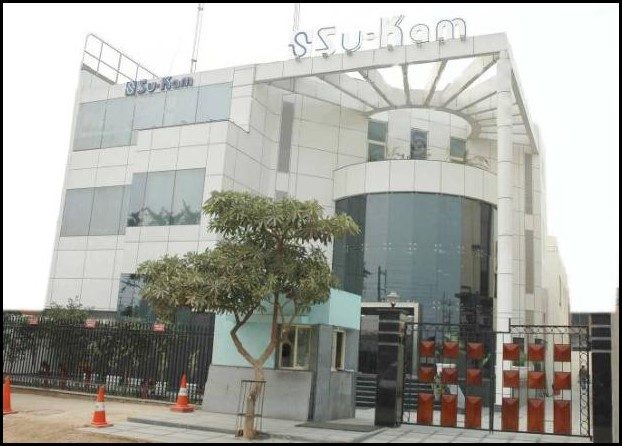
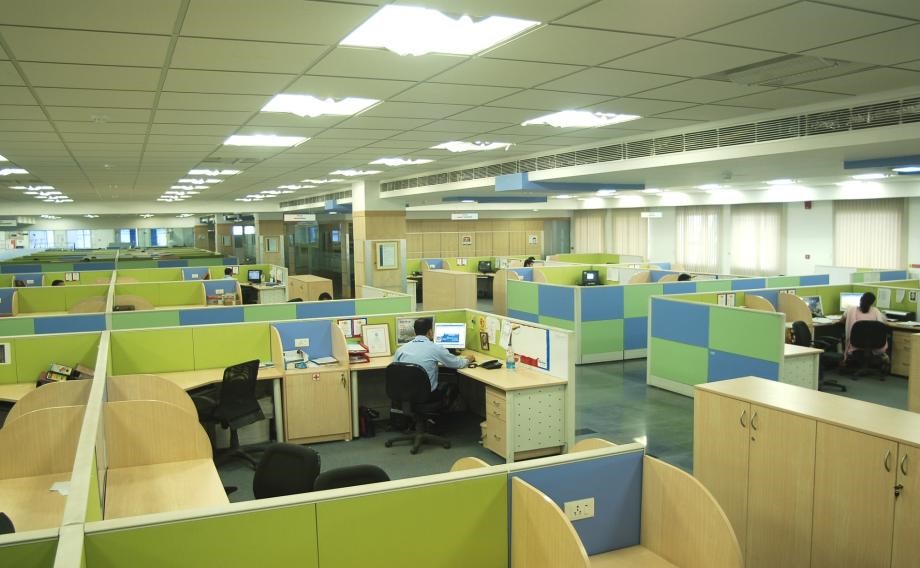
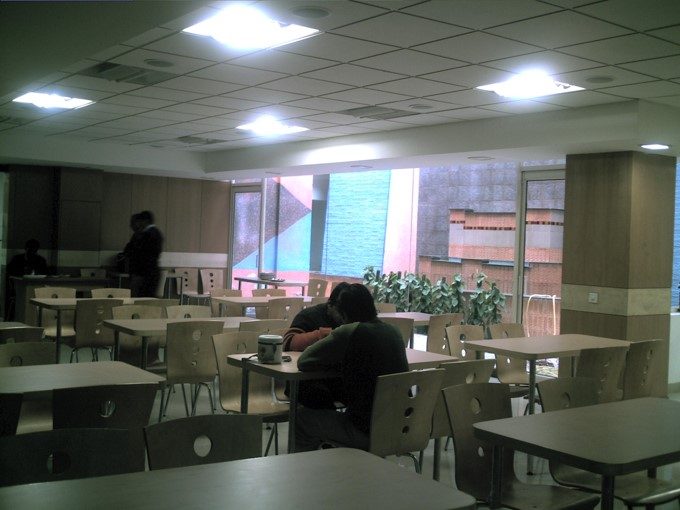
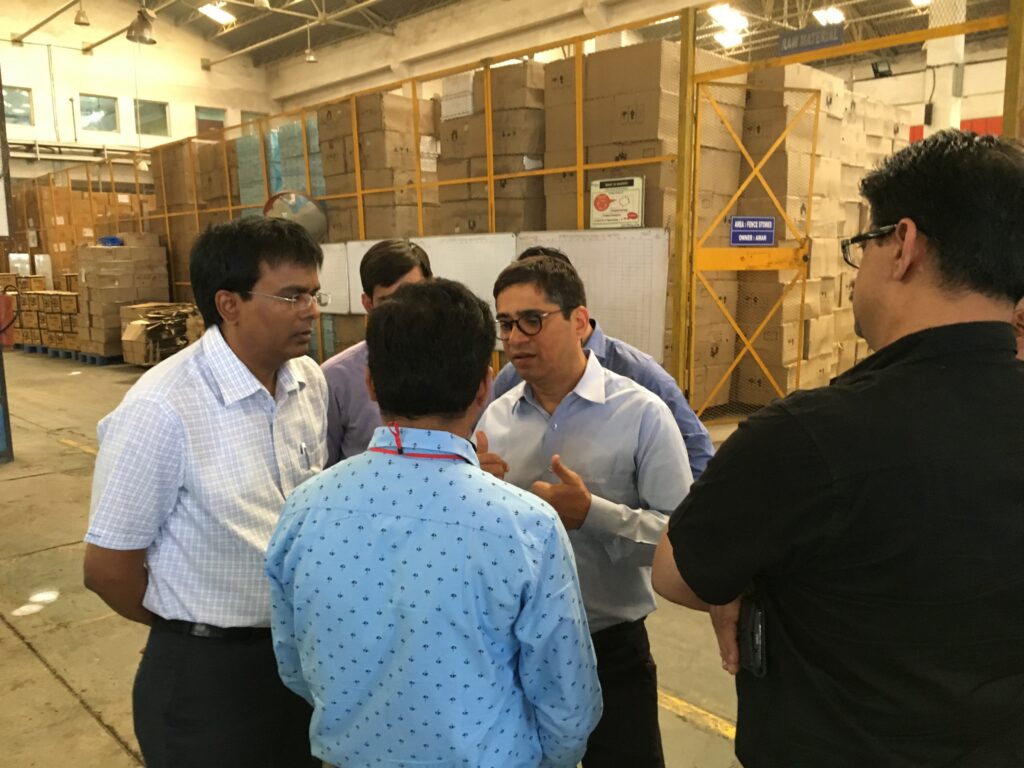
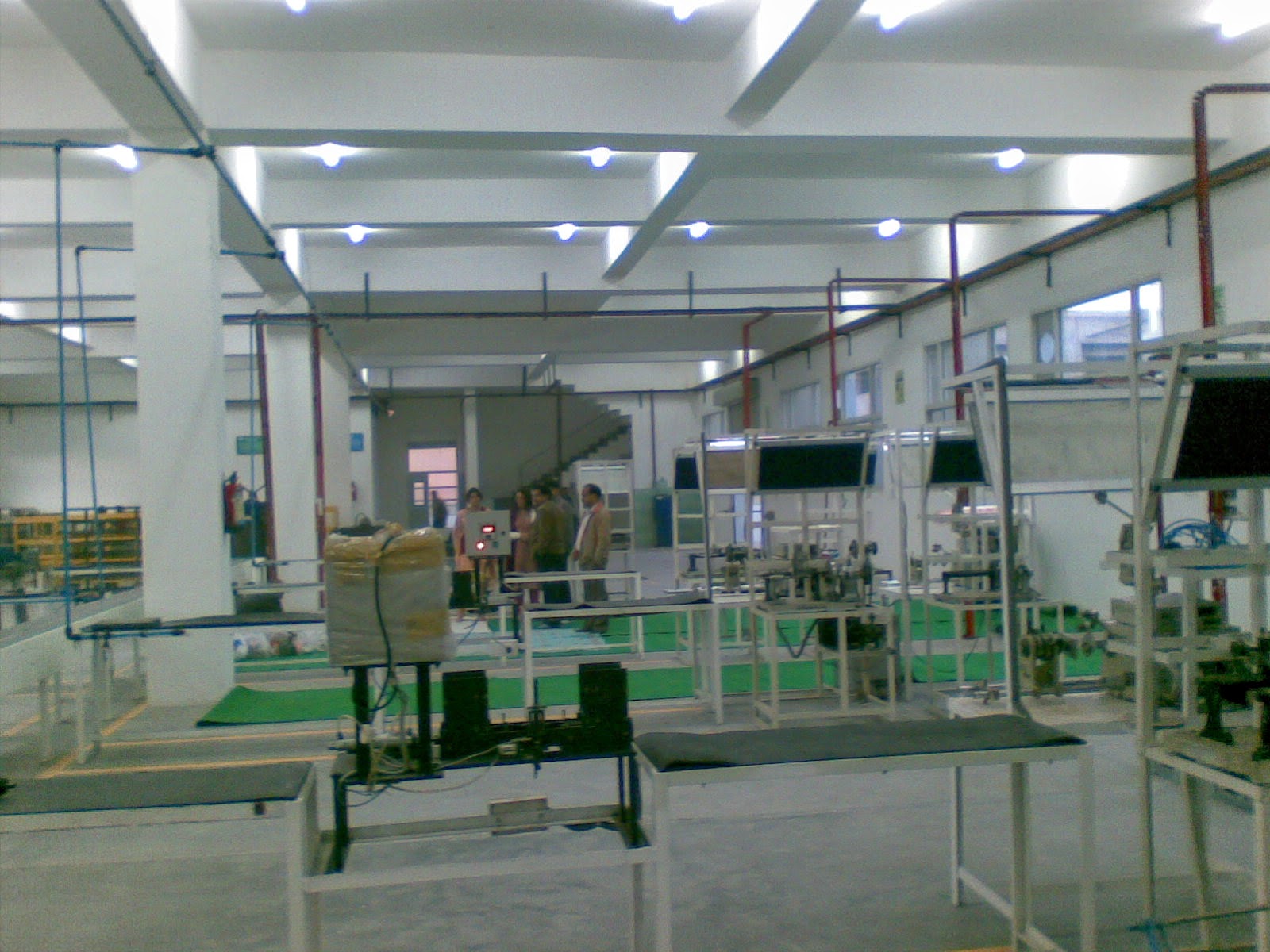
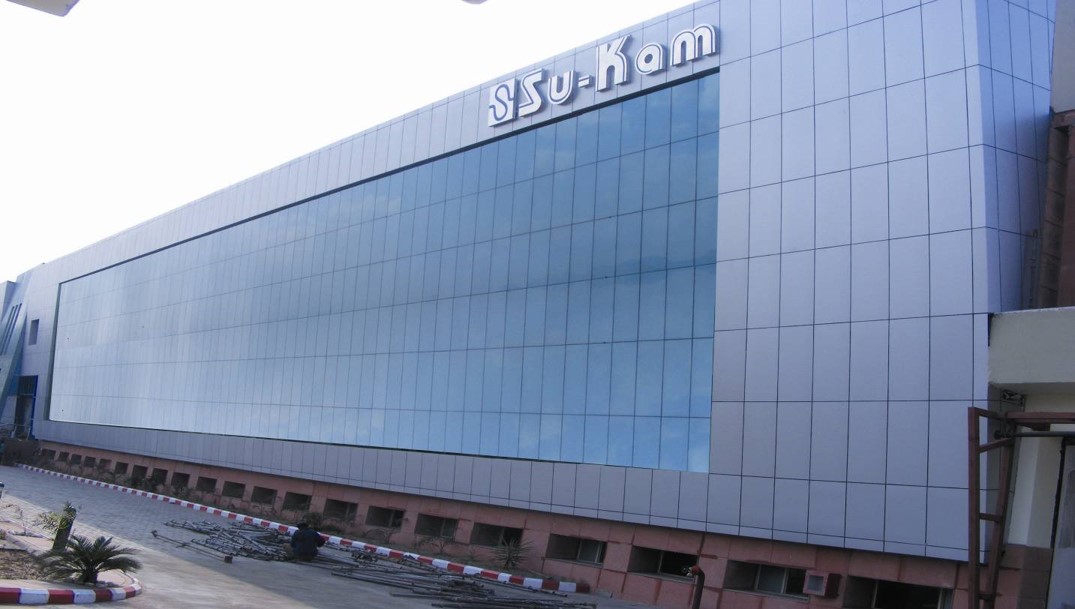
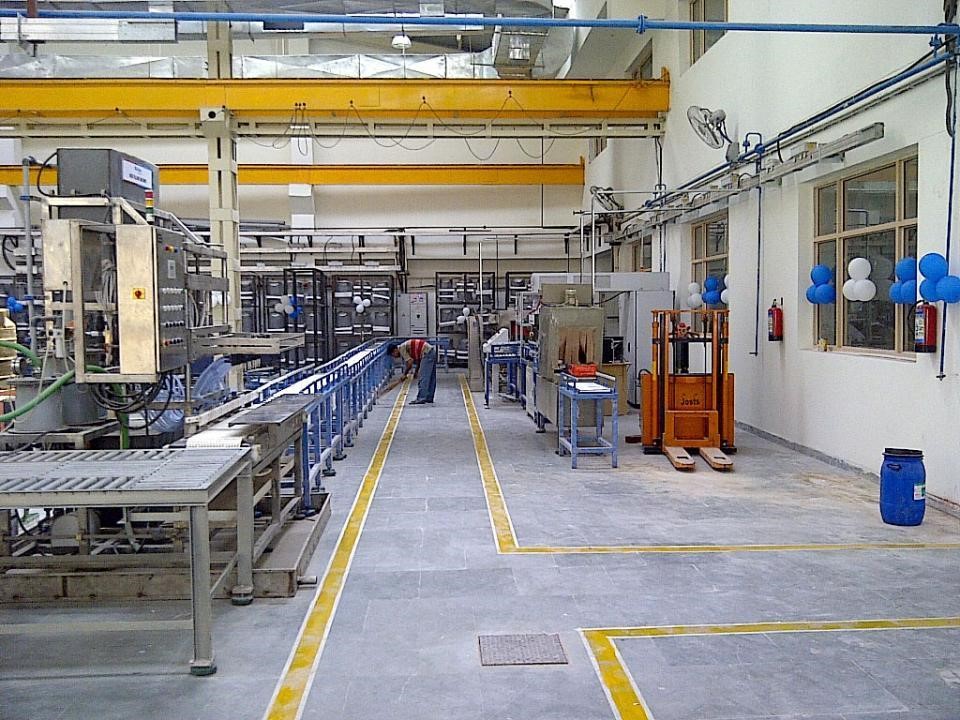
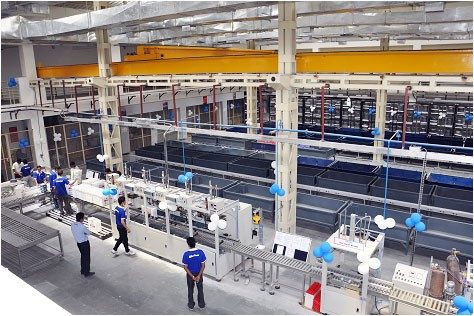
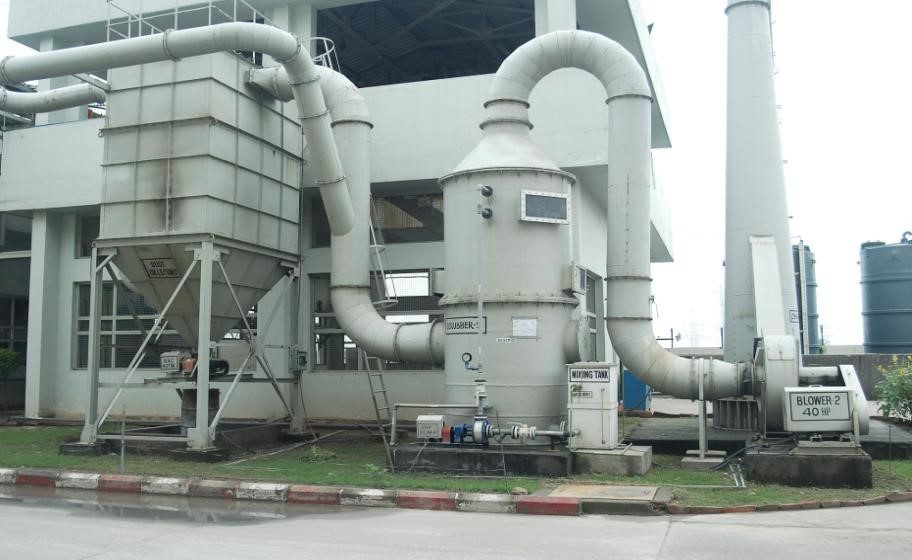
I did not buy my way to scale; I built it, brick by brick, with my own hands on the drawings. After 2000 I put up factory after factory — two units and an R&D building on land I took in Gurgaon, then four more in Baddi, Himachal Pradesh: an inverter plant, a battery plant, a transformer plant. And the office I was proudest of — a world-class corporate headquarters on a 1,000-square-metre plot in Gurgaon, two and a half years in the making, seating more than 150 people, with a grand reception and its own canteen feeding a hundred. I wanted to prove an Indian company could build the equal of anything abroad.
“I wanted to show the world that India could build world-class factories and offices. So I built them — drawing the approvals, overseeing the construction, standing in front of every unit myself.”
I’ll be honest about the cost. Fifteen years of my prime time went into raising those walls — the government approvals, the architects, the interiors. They were beautiful. But beauty has a price, and I sometimes wonder how much more technology I’d have built with those years.
My dream factory, and the costliest mistake of my life
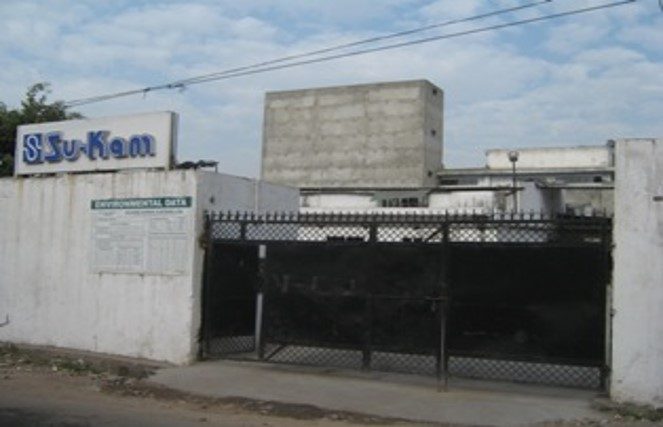
My dream was the sealed maintenance-free battery. With the Reliance–Temasek money I built a state-of-the-art plant on six acres at Katha, in Himachal — a training hall like a cinema, every drawing checked by me, three years to build. The Himachal Chief Minister inaugurated it with great fanfare; it was one of the finest manufacturing facilities in India. I ran a fearless campaign showing that lead-acid batteries were harmful to the lungs — it shook even Exide and Amara Raja. For four years I ate, slept and dreamt only of that plant.
And it broke me. The sealed batteries that sailed through six-month export warranties could not survive India’s two-year warranties and brutal power cuts. They began failing in the market; claims piled up on my dealers; and because a failed battery poisons the inverter brand beside it, the reputation I had spent a lifetime building took the blow. It was my single costliest mistake — believing people from another industry, and experimenting at that scale. I will own that failure completely.
“I wanted to make a battery that would write history. It nearly unwrote everything else. The most expensive lesson of my life.”
But even that failure left the industry something. Chasing the truth about why batteries die, I made one rule for my people: test every battery on an inverter under a 400-watt bulb load, and judge it by the backup it actually gives. It cut through all the confusion. Today, wherever I go in India, I watch technicians test a battery on a 400-watt load — most don’t know the standard came from my failure. Whatever I do, the industry seems to follow.
The people who built it — and the family we became
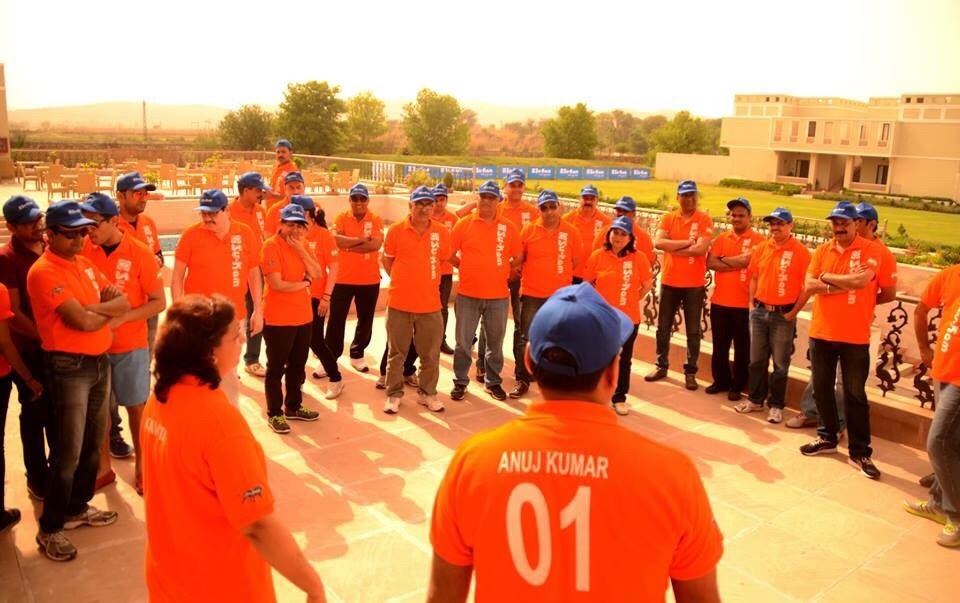
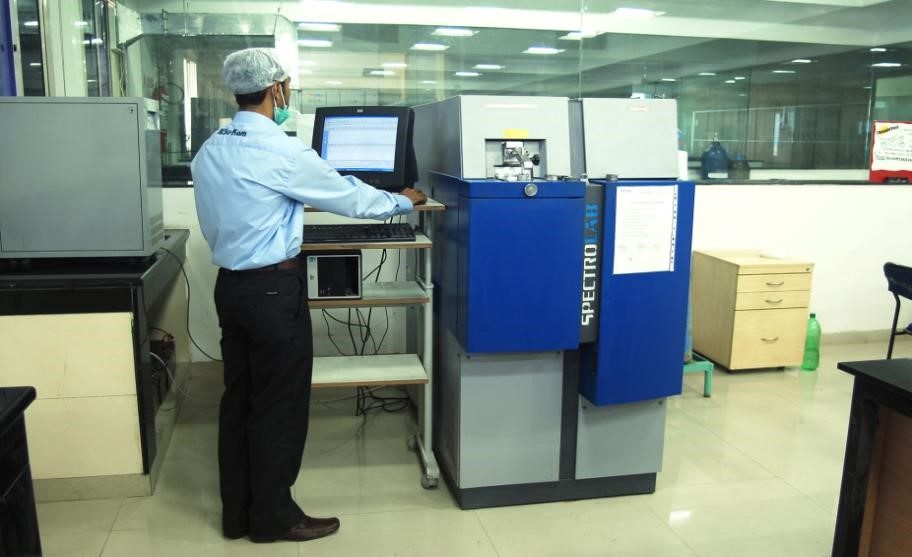
The thing I am proudest of is not a product — it is the people. I built Su-Kam mostly with freshers, with young men and women who had never worked in this field, and I trained them myself, in batches. They became engineers, patentees and plant heads; one who joined as a fresher went on to hold patents in his own name. This is the part of “Make in India” that nobody photographs.
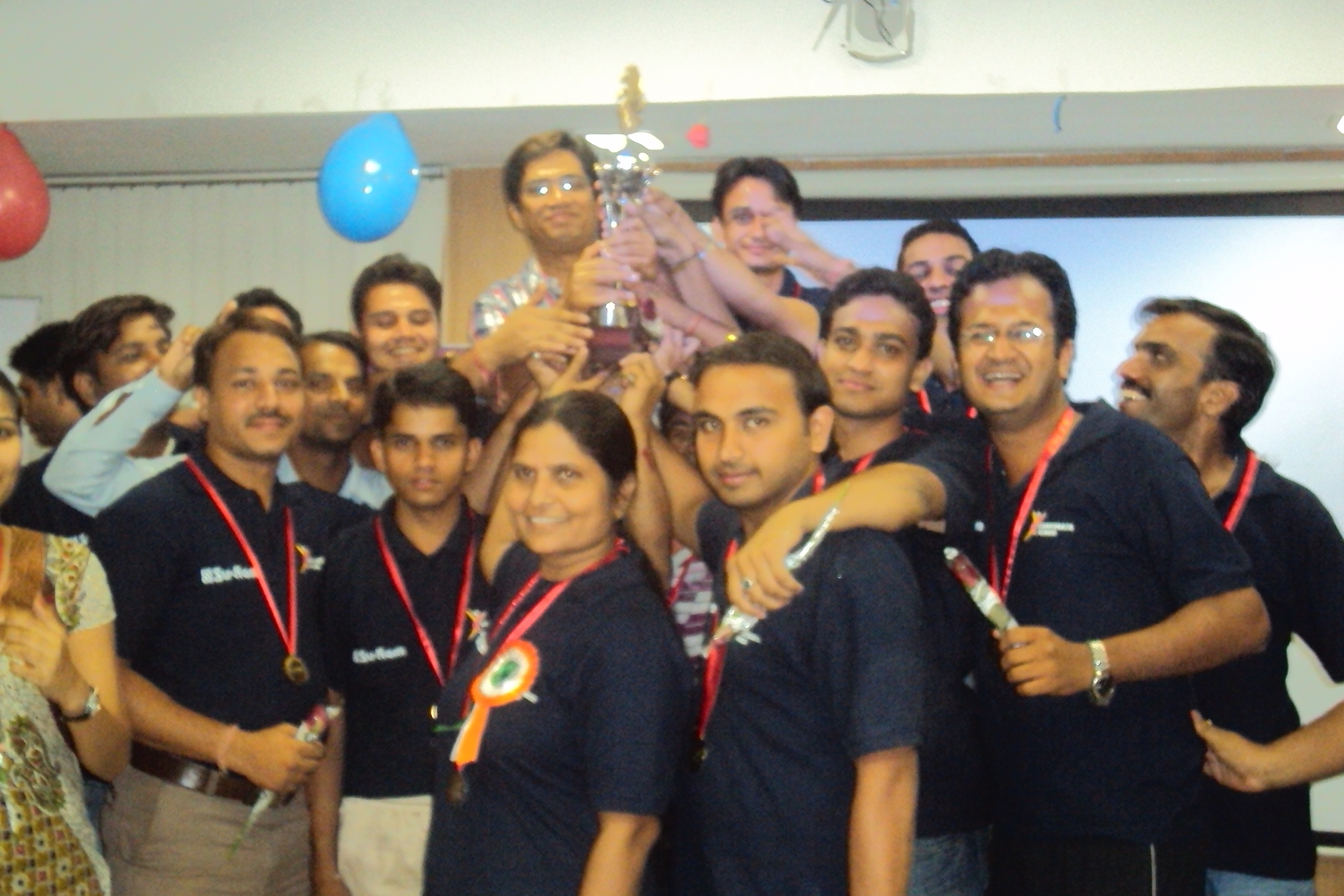
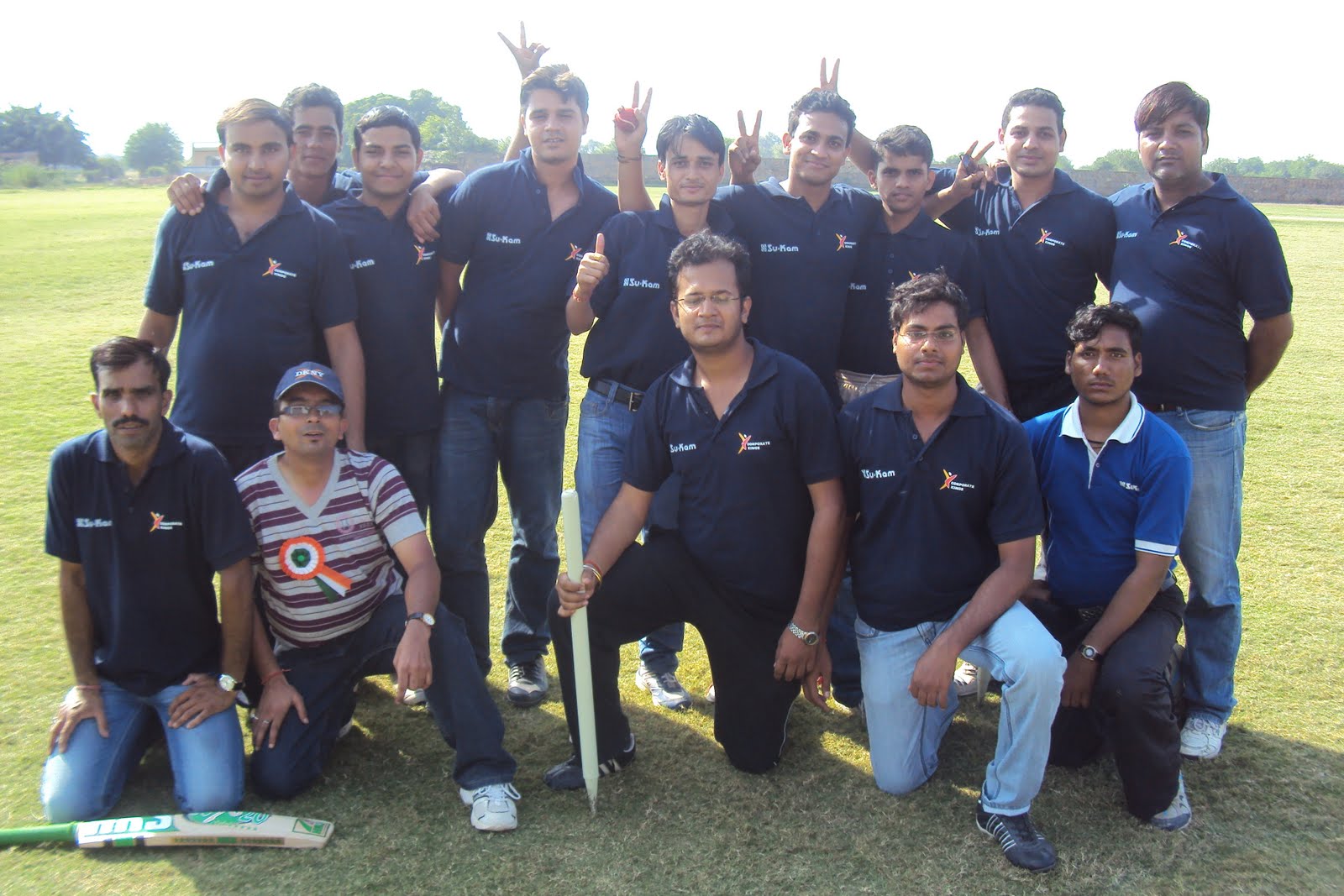
And I never treated Su-Kam as only a workplace. Every year we held family days and sports weeks — people brought their wives and children, we competed and ate and played together, and for those days the whole company became one large family. I knew people don’t give their best years to a logo; they give them to a place that treats them as its own. That is why so many of my engineers stayed with me fifteen, twenty years — that loyalty was built as much on those family days as on any salary.
“I took an industry nobody had organised, and I built it with people nobody else would have hired. That is my real patent.”