The Inventions — the products that changed the market
A shock on a rainy day, the CHIC, the Fairy Queen, the Home UPS, the world’s first touch-screen inverter — the firsts a whole industry copied.
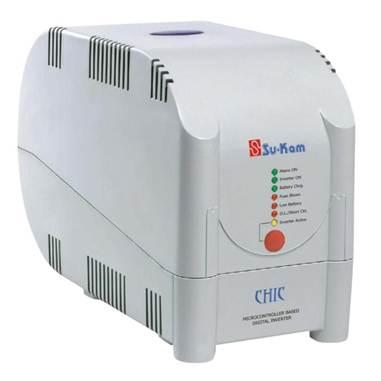
Innovation at Su-Kam was never a department — it was the whole company, and it almost always began with a real human moment. A customer told me his young daughter had been shocked wiping the metal body of an inverter on a rainy day. I couldn’t rewire every Indian home, so I decided to rewire the product: I would build it in plastic. My own R&D fought me — plastic can’t take the heat, they said — so we engineered a temperature sensor and a dozen safeguards, and with GE Plastics we made the CHIC in 2003: India’s first plastic-body inverter, in a PC-ABS that shrugged off 120°C. India Today called it the “Innovation of the Decade.” Some families used theirs for more than twenty years. I named it “Chic” because I wanted an inverter people were proud to display, not hide in a corner.
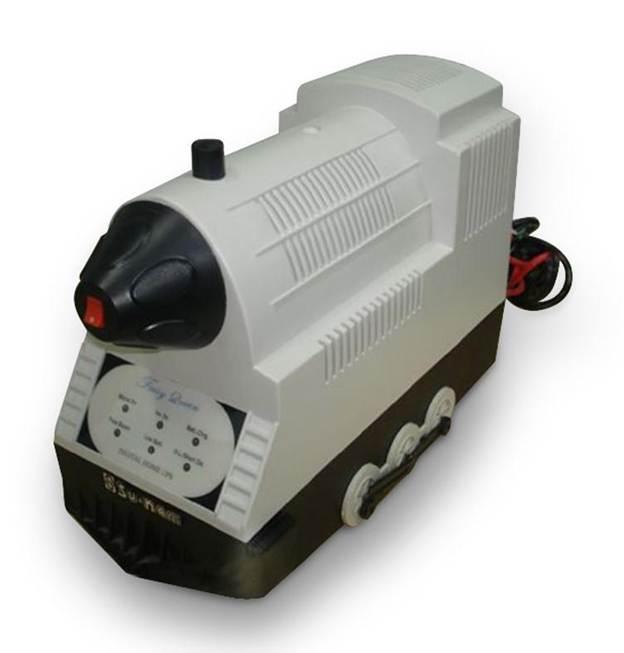
Not everything I loved survived. The Fairy Queen — a plastic inverter shaped like a heritage locomotive, made to sit proudly in a bedroom — was one of the most beautiful things we ever built, and it died on its very first shipment: the packaging failed and units reached dealers in pieces. A small, careless detail shattered a dream we never managed to revive. The lesson never left me — trust your team, but never take your eyes off the details that matter.
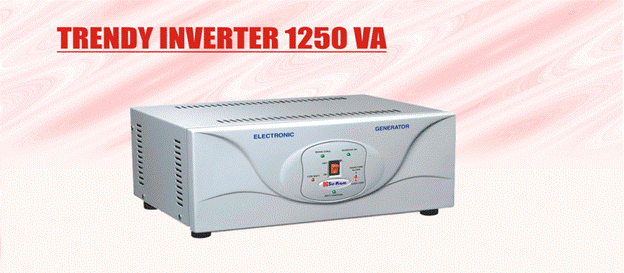
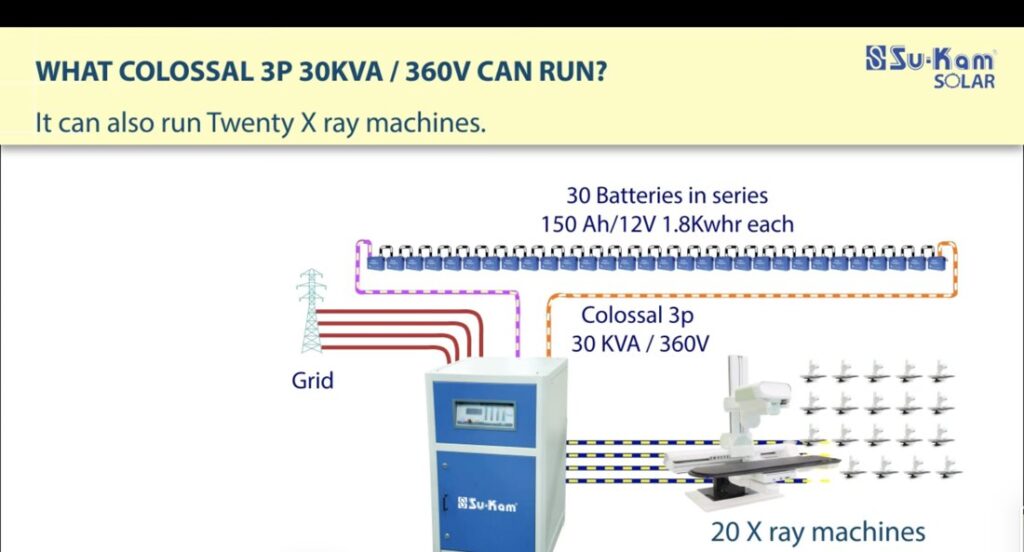
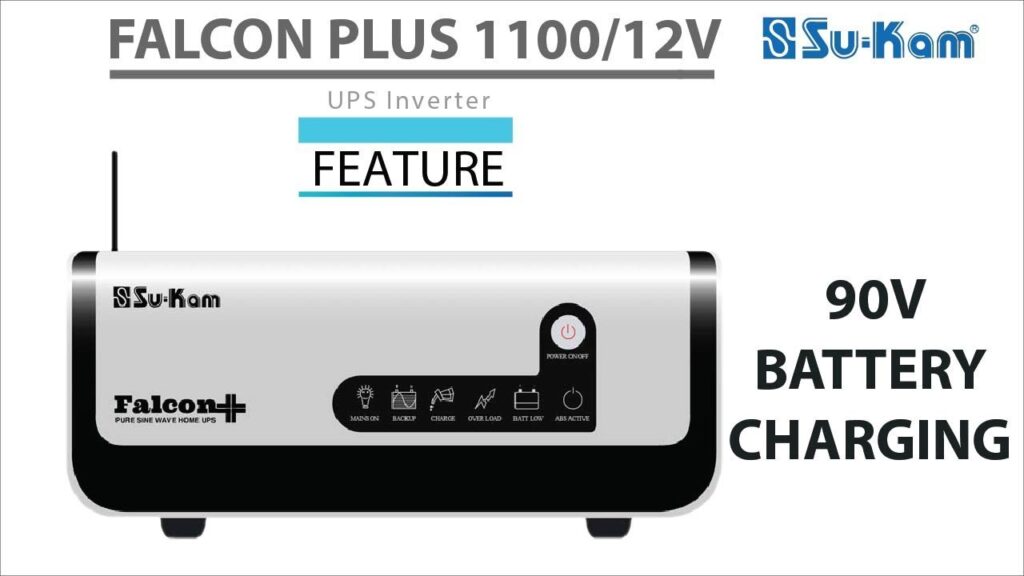
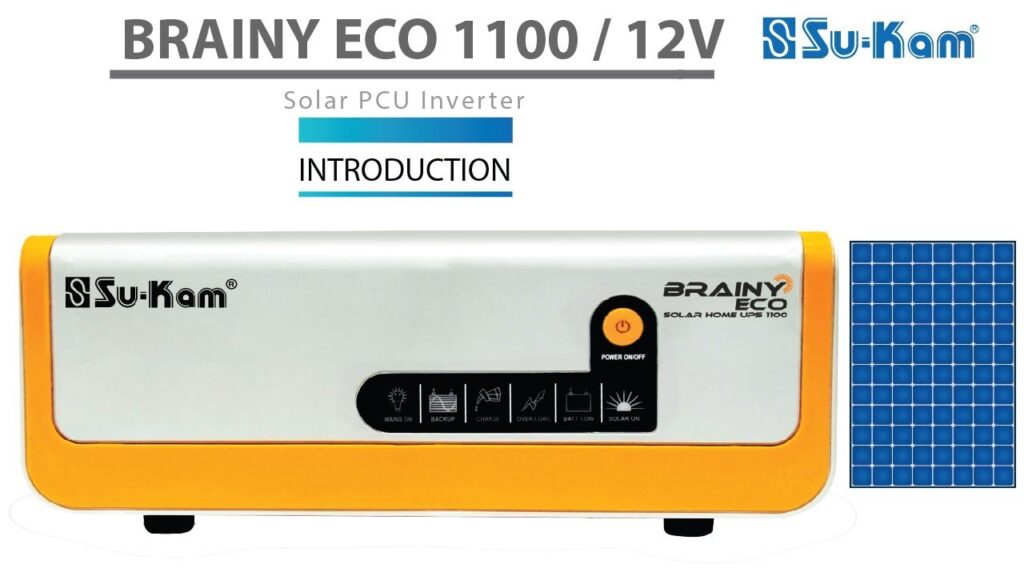
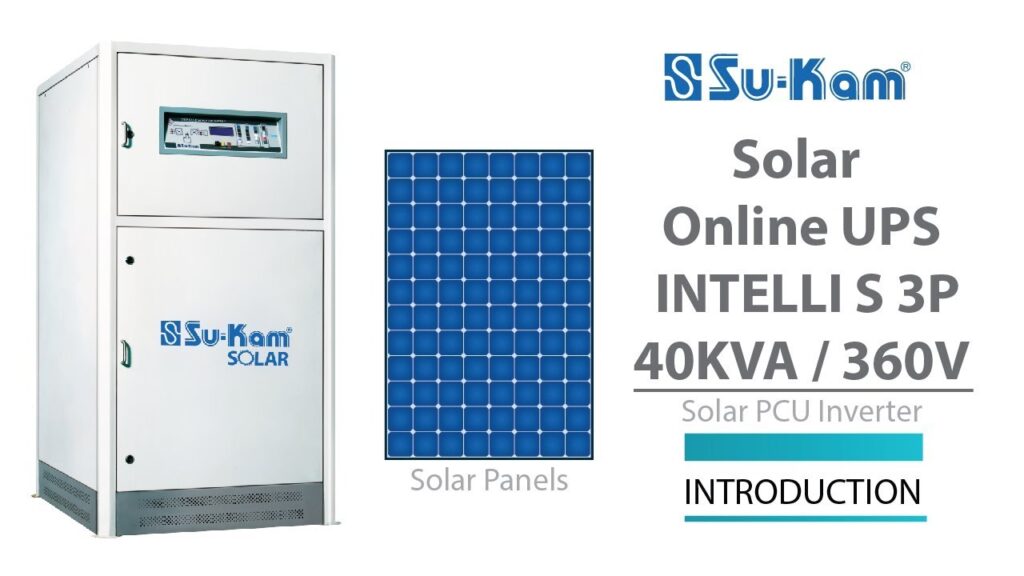
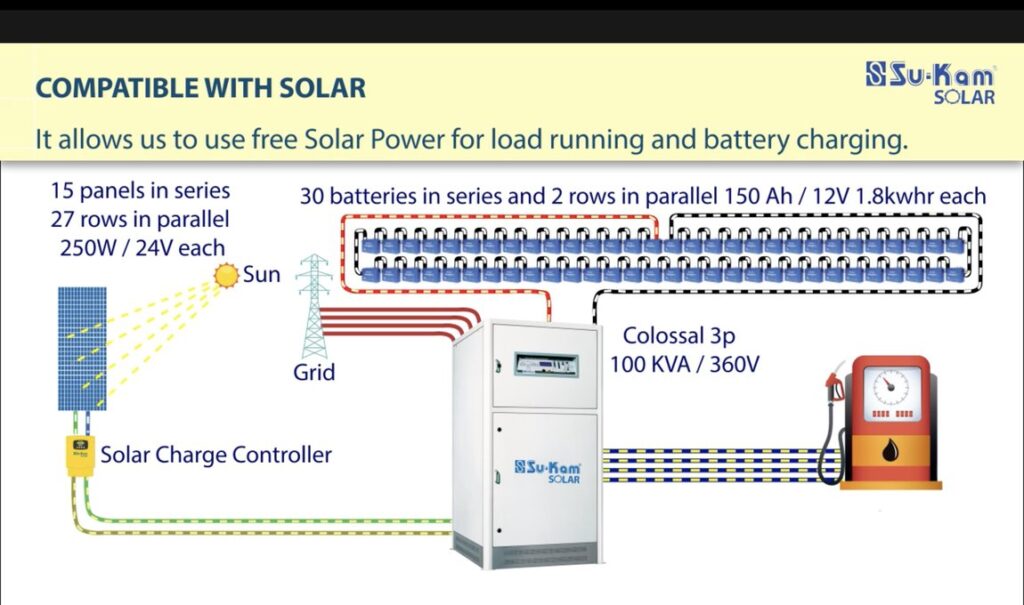
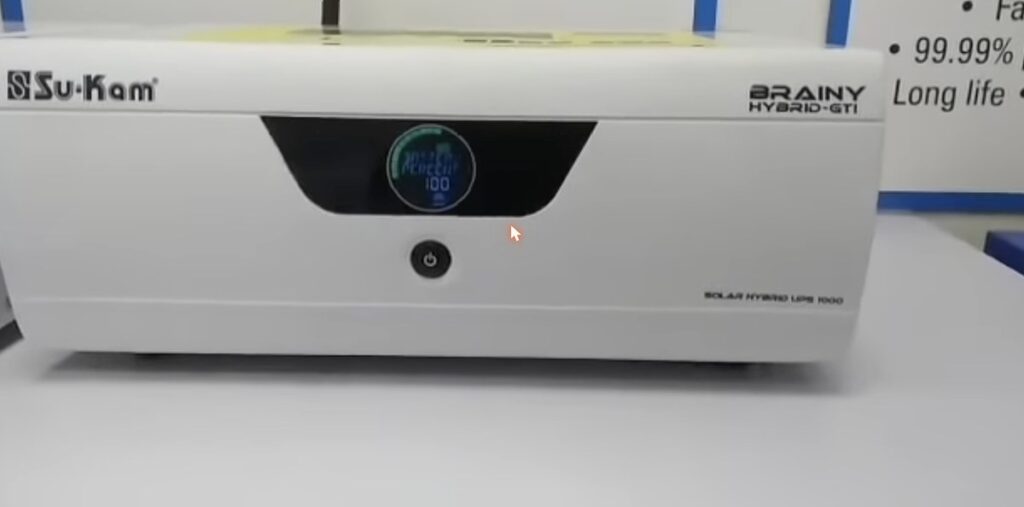
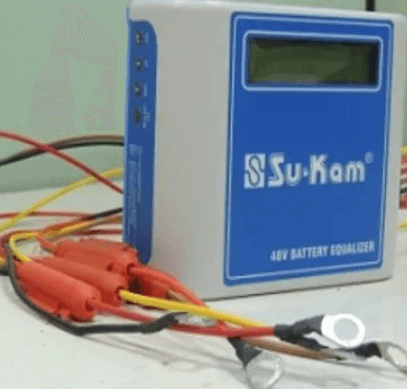
But the firsts kept coming, each one solving a real Indian problem. India’s first DSP sine-wave inverter in 2002. The Trendy — the first Indian inverter with a digital display. India’s first 5 KVA and 10 KVA home inverters, built to take on the diesel generator. The first Solar Online UPS and the first grid-feed hybrid inverter. The world’s first touch-screen, Bluetooth-enabled inverter you could watch from your phone. And the range scaled all the way up — to the 100 KVA Colossal, an inverter we turned into a full-blown solar power plant for factories and large institutions. We pioneered LED status indications, SMD-based boards, our own in-house battery testers, and even an aluminium-transformer design to cut cost without cutting quality. And we created an entire category: in 2005 we coined the “Home UPS” — within a year the whole industry was using our word.
“I didn’t want to build an appliance people merely tolerated. I wanted to build one a family would be proud to keep in their home.”