The peak, and the day Su-Kam died
₹1,200 crore, 5,000 people, a name that stuck — and then insolvency took it all in a single day.
₹1,200 crore, 5,000 people, and a name that stuck
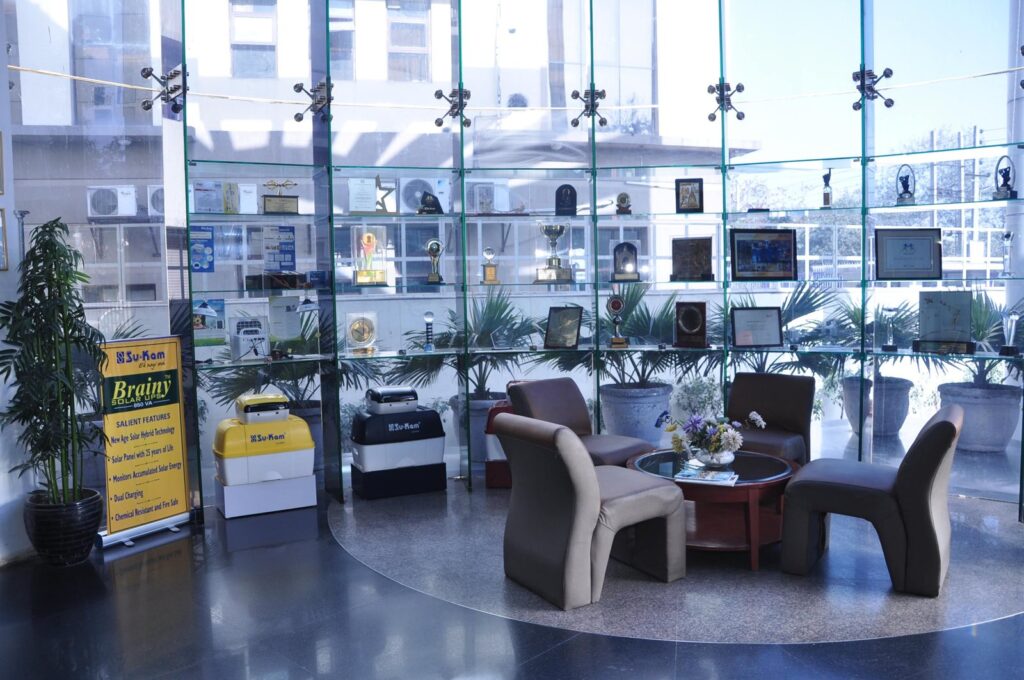
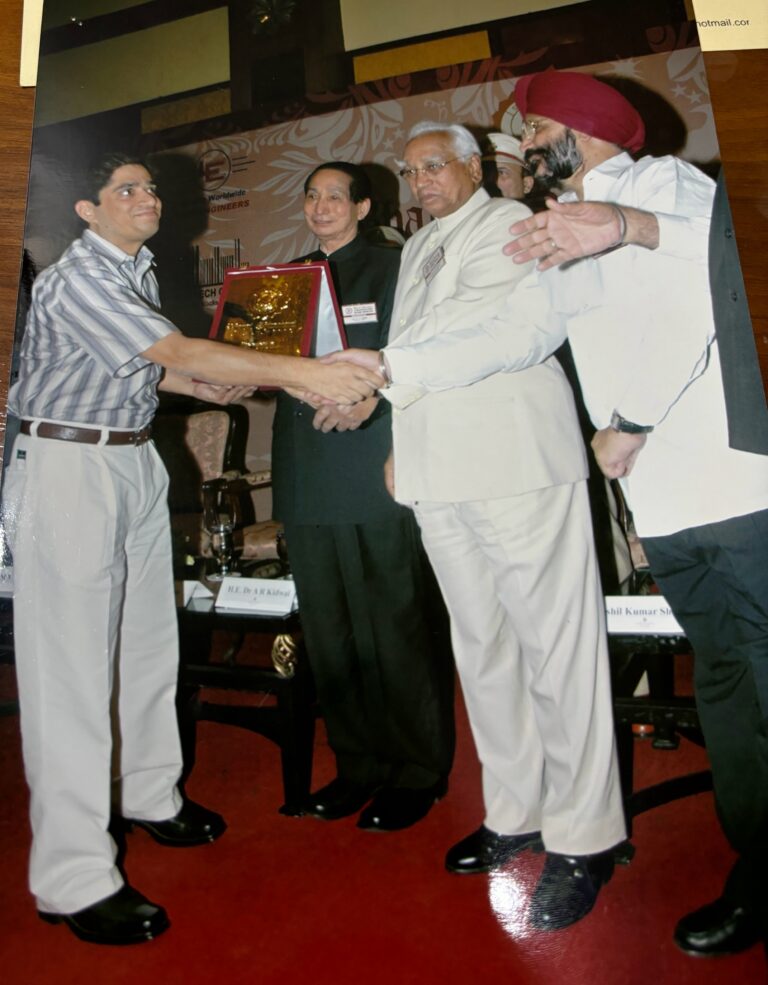
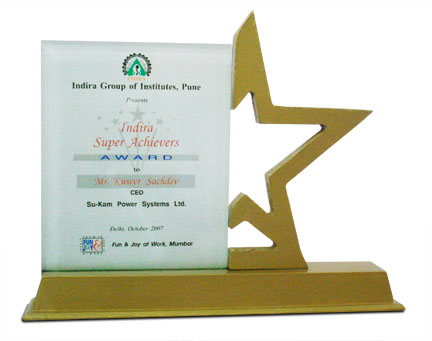
At its height around 2013, Su-Kam reached roughly ₹1,200 crore in revenue, with six factories, more than 5,000 employees and a presence in over 90 countries. The recognition followed — the awards, the felicitations, a cover on Forbes India, and chapters in two bestselling books, Rashmi Bansal’s Connect the Dots and Porus Munshi’s Making Breakthrough Innovation Happen. Somewhere along the way a magazine gave me the title that has stayed ever since: the Solar Man of India. I never thought of myself that way. I just thought of myself as someone who refused to quit.



The day Su-Kam died
Then it came apart. Despite everything we had built, the company was pulled into insolvency in 2018, and on 3 April 2019 the tribunal ordered its liquidation. Around 2,000 people lost their jobs in a single day. My own salary had stopped six months earlier; my wife sold her jewellery; suppliers who depended entirely on us closed for good.
The numbers still haunt me. The company was fairly valued near ₹300 crore. I offered ₹250 crore, with bank backing, to save it. Instead it was sold during the pandemic for ₹49.5 crore — the banks recovered only about ₹8 crore, and the brand I had spent a lifetime building was handed over at zero value. As a personal guarantor I then faced a liability that swelled from around ₹270 crore to ₹650 crore, mostly interest; I paid roughly ₹65 crore, selling my properties, including the home I had lived in for twelve years. That period also brought the end of my first marriage. I will not dress it up — it was the lowest point of my life.
“₹250 crore offered by the builder. ₹8 crore received by the banks. Tell me — who did this system protect?”