I Built a ₹100 Crore SMF Plant at Katha. First VRLA for Inverters — Then Warranty Returns Hit Us in 2008.
World-class plant. Inverter-duty VRLA. Then the North India warranty storm — and inverter sales took the hit in 2008.
By Kunwer Sachdev · Founder & Managing Director, Su-Kam · Founder 1988–2018 · Published September 30, 2026 · Katha SMF chapter · Reliance Power Fund era
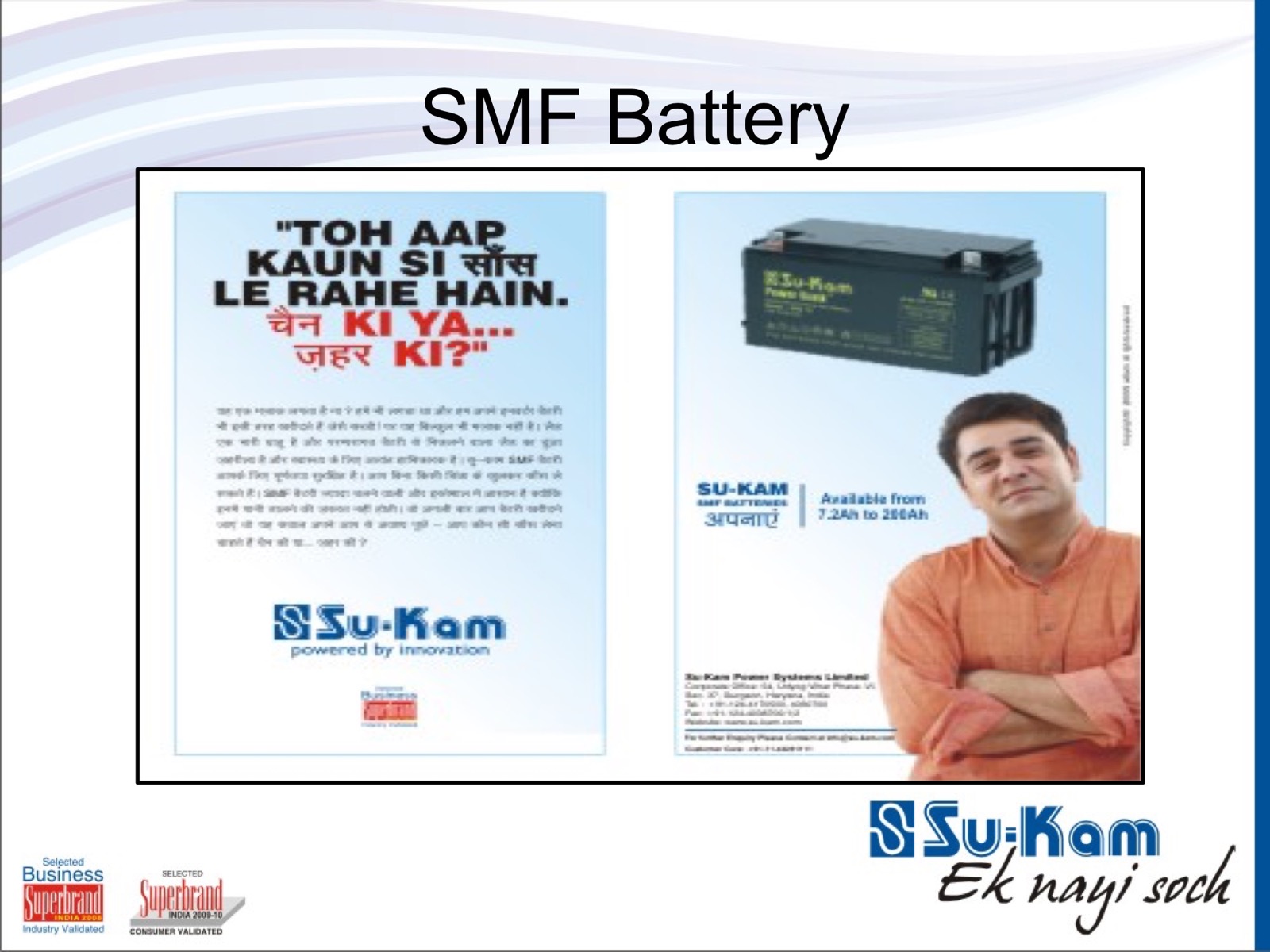
Soft public anchors — Business Standard / Hindu Business Line: Reliance India Power Fund / Reliance Group (+ Temasek) ~19–20% from ~2006 (~₹45 crore). Plant scale and SMF line also live in the factories essay, KS empire essay, and battery-plant film. ₹100 crore figure, first-for-inverter-VRLA claim, and the 2008 warranty / sales arc are founder record on this page.
The Bet — VRLA Built for Inverters
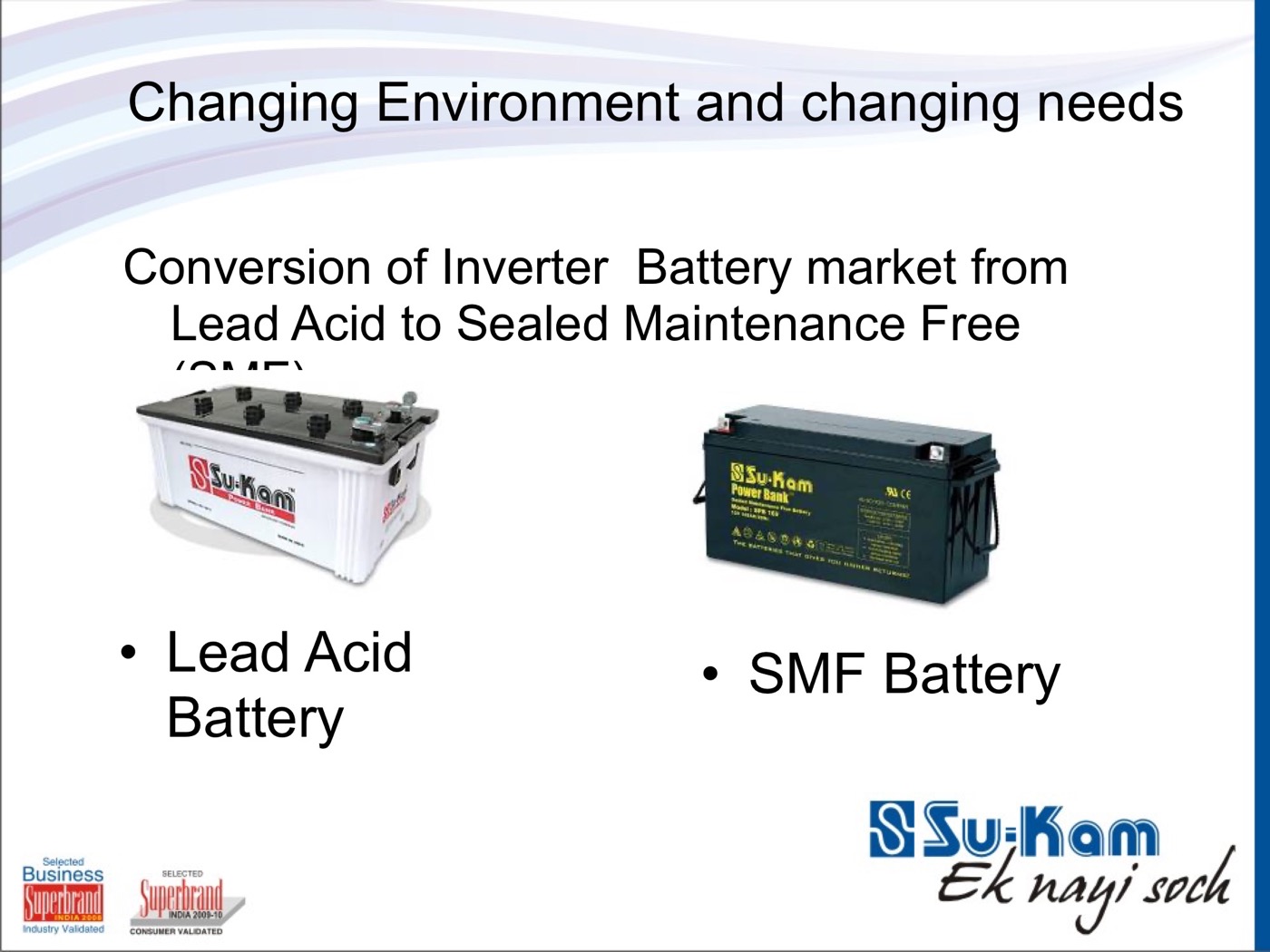
Indian inverter homes ran on flooded lead-acid for years — water topping, acid fumes, dealer drama. Under my leadership as founder and MD, Su-Kam moved to own the next chemistry: sealed maintenance-free / VRLA batteries specially designed for inverter application. In my account, we were the first company to manufacture that class of battery for this duty. No one dared to do it before me — and after me as well, not the way we took the plant and the market risk.
That was not a catalogue line. It was a ₹100 crore plant — money raised with the Reliance India Power Fund for this project — so Su-Kam could make the battery, not only the inverter. Public wires put the fund’s stake around 2006 at roughly nineteen to twenty percent (~₹45 crore).
Katha From Scratch — Six Acres, Two Lakh Square Feet
We built the Katha unit from empty ground. Land we had already taken from the Himachal government about two years earlier. It took another two years to construct the unit on six acres — roughly a two-lakh-square-foot facility. The building was made world-class. Pollution norms were taken care of at the highest level — that was my focus area. Creation of building and plant finished before the timeline. Equipment was imported and also taken from the best Indian industry standard.
We hired the best brains from the industry and the planning was done. I thought people with that strong knowledge meant things would not go wrong. That was a mistake on my end. The walls and the lines were not the failure. Trusting that industry pedigree would save the product-in-the-field was.
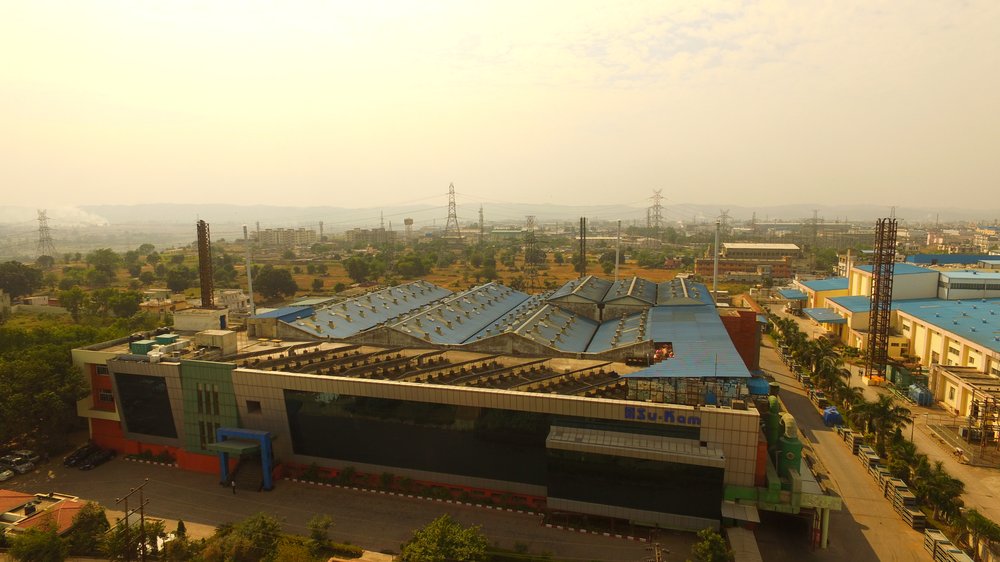
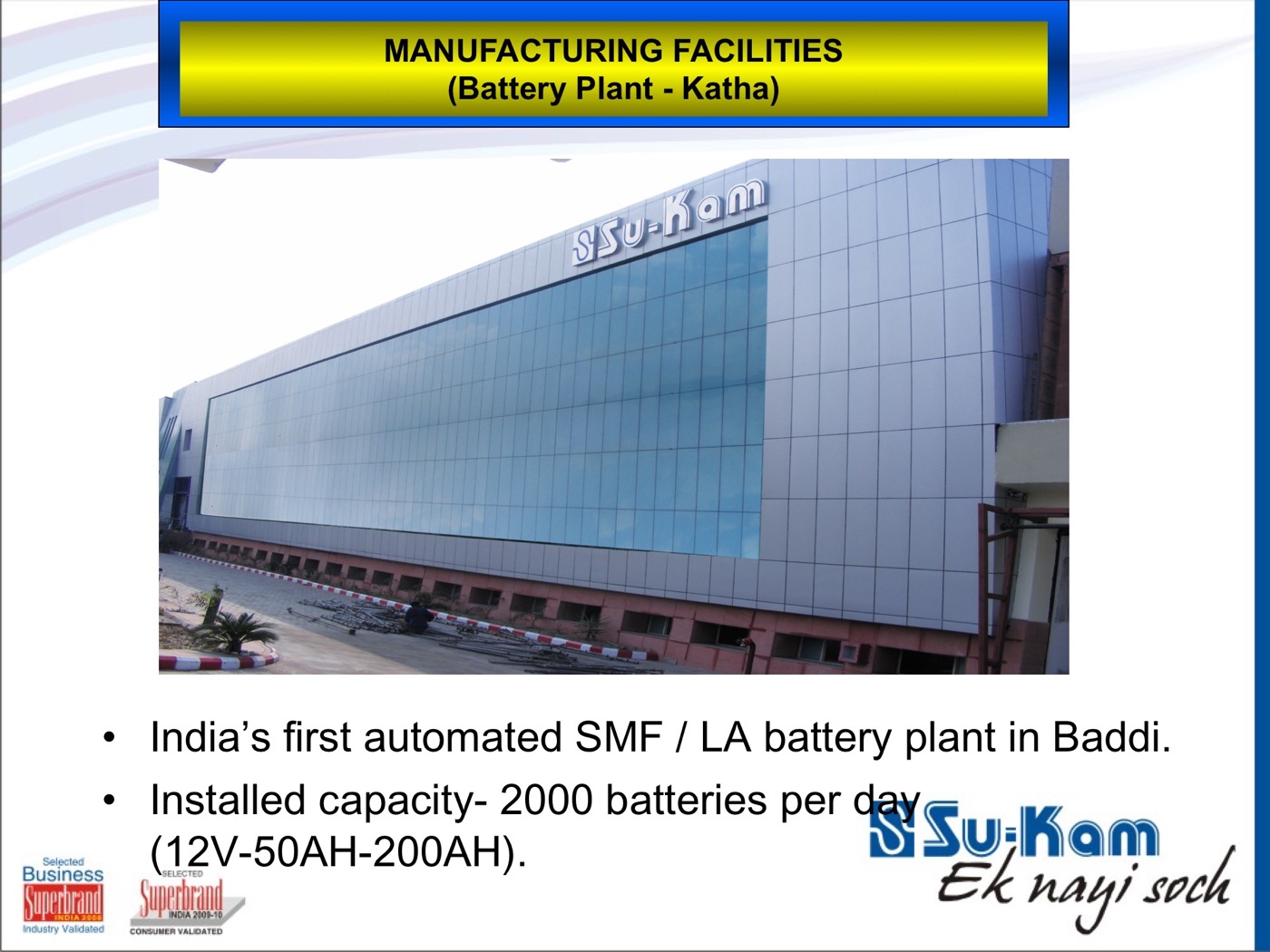
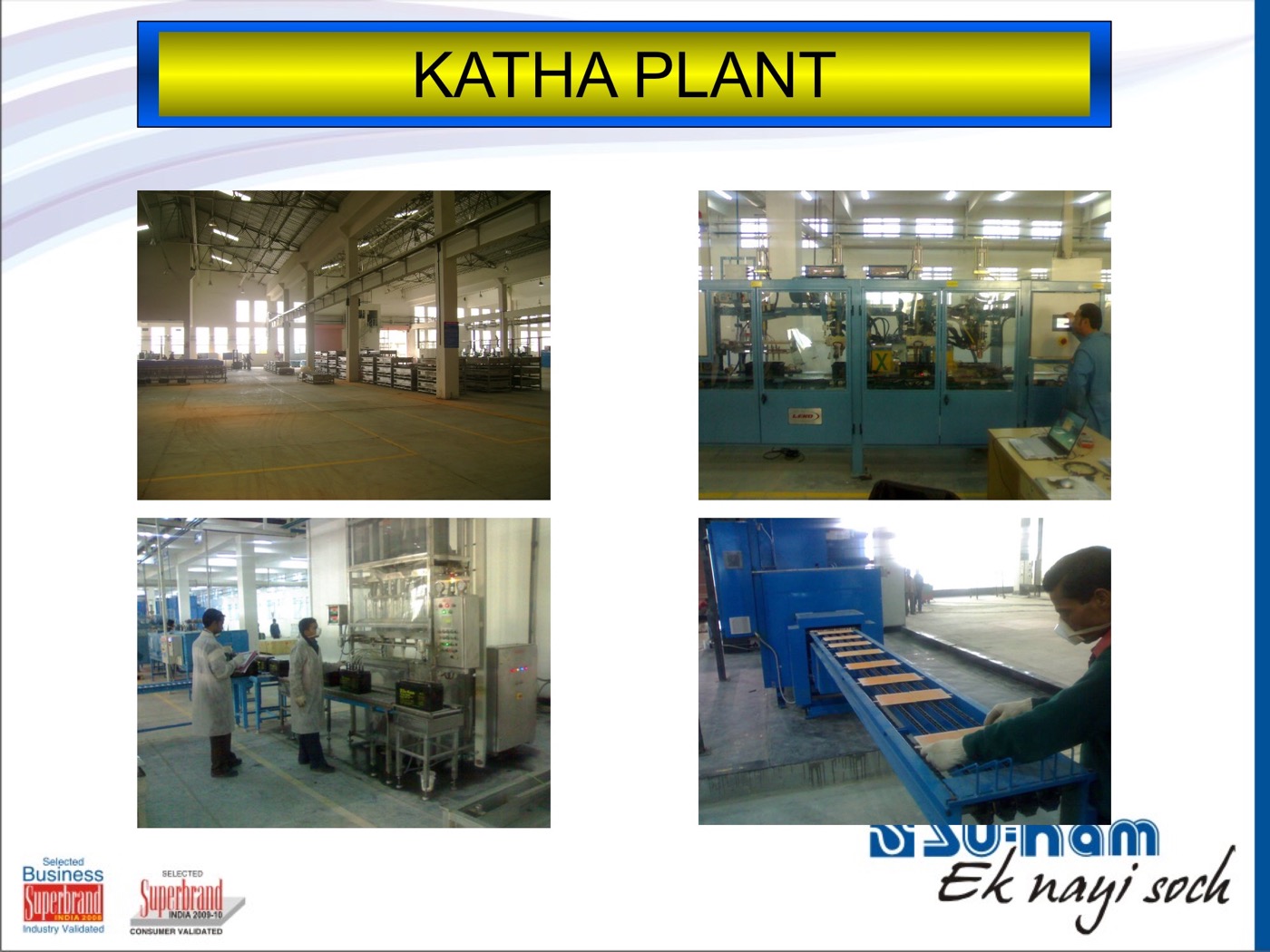
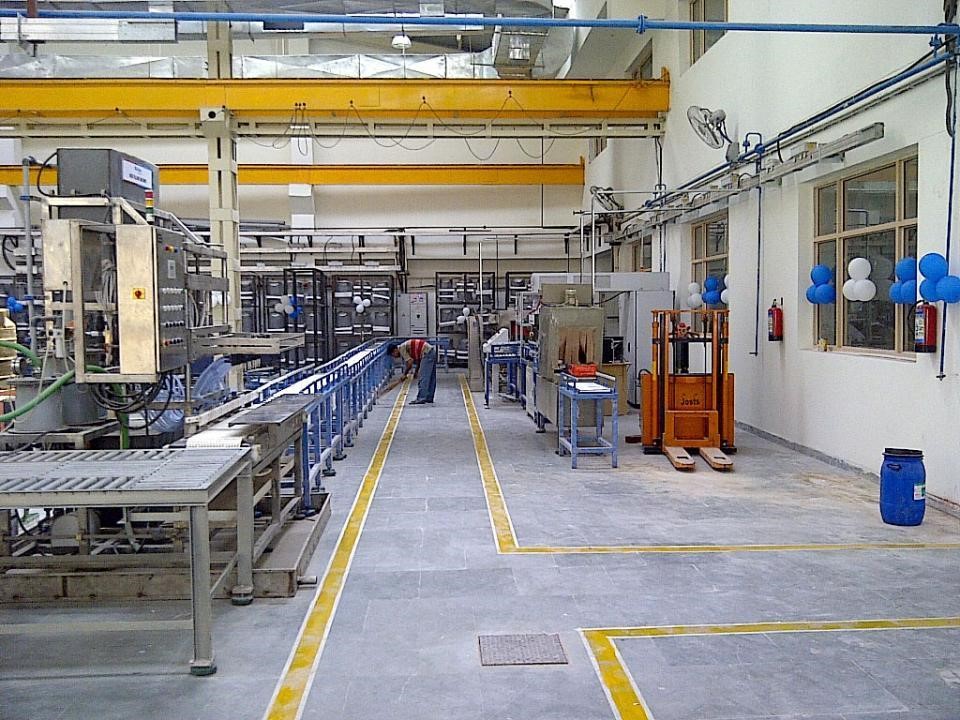
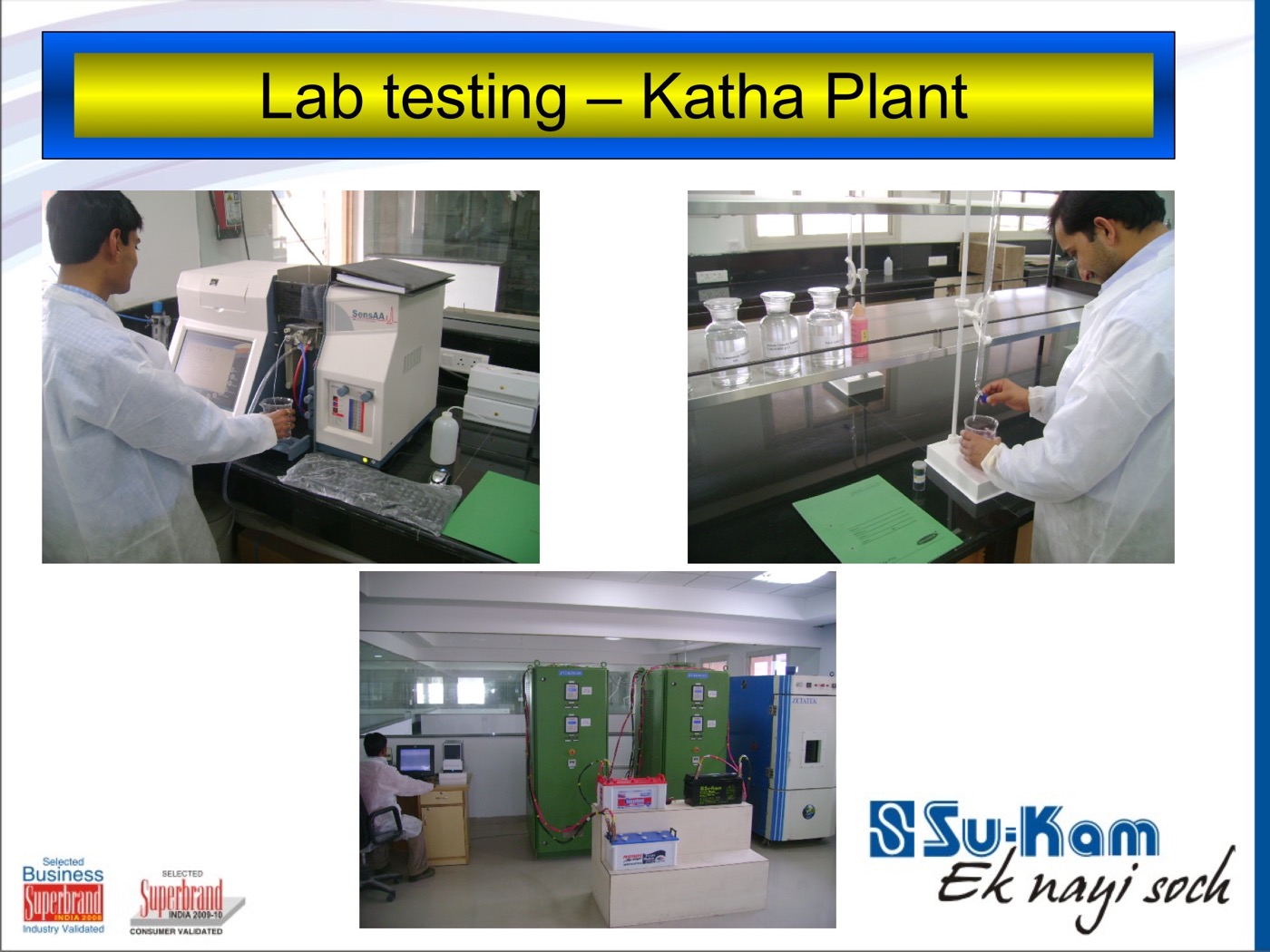
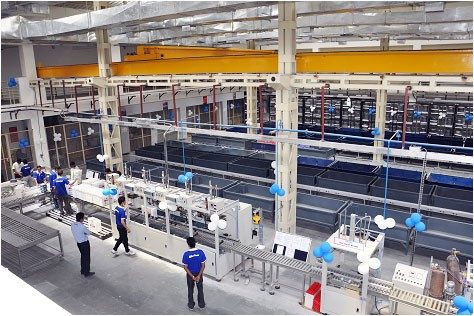
Factory film — Su-Kam Battery Plant — world-class mega battery factory (Su-Kam Solar YouTube).
Where It Worked — Light Discharge, Cooler Air
The battery was a big success wherever ambient stayed below about 40°C — and, more precisely, wherever discharge was less. Gentle duty. The chemistry held. Dealers smiled. That is the half of the story I will not erase.
North India — After One Good Year
It was a big failure in North India, specially after about one year of successful running. Heat plus hard inverter cycling — homes that drew the bank deep and often — was not the duty the honeymoon year had promised. Warranty returns were massive. And because the battery sat under Su-Kam’s name next to the inverter, inverter sales also got affected in 2008. The plant’s pride became a channel wound.
The same year we pushed Matrix — SMF sealed inside the UPS cabinet. That product essay is a sibling chapter, not a substitute for this plant story. The wider factory map is in Gurgaon to Baddi.
What I Want on Record
Kunwer Sachdev — founder & MD of Su-Kam. Built the Katha SMF / VRLA plant from scratch (~₹100 crore; ~6 acres; ~2 lakh sq ft; Himachal land ~2 years earlier; ~2 years to construct; ahead of timeline; pollution norms a personal focus; imported + best Indian equipment). Raised money from the Reliance Power Fund for this project. Founder claim: first to manufacture VRLA specially designed for inverter application. Hired top industry brains — and that trust was his mistake when the field failed. Success where discharge was light / cooler climates; North India failure after ~one good year; massive warranty returns; inverter sales hit in 2008. Soft anchors: Business Standard, Hindu Business Line, MDS 2011 slides, KS essays, YouTube plant film, factories companion.
Verified Sources
- Business Standard (Feb 2011) — Reliance India Power Fund ~19% stake (~₹45 cr, 2006)
- Hindu Business Line (Aug 2013) — Reliance Group & Temasek as Su-Kam investors
- KunwerSachdev.com — Building the empire: 6 factories, Reliance–Temasek, SMF battery
- KunwerSachdev.com — Su-Kam legacy (Reliance stake 2006; Himachal battery factory)
- KunwerSachdev.com — Erevolution Chandigarh 2011 / SMF plant slides essay
- YouTube (Su-Kam Solar) — Battery Plant — world-class mega battery factory
- Companion — Factories Gurgaon to Baddi (Katha overview)
- Companion — Matrix 2008 inbuilt SMF cabinet
- Companion — Telecom towers (Reliance as investor + customer)
- Story — The Factories
- Wikipedia — Kunwer Sachdev
Related / Backlinks
- Factories — Gurgaon to Baddi (Katha overview)
- Matrix 2008 — SMF inside the cabinet
- Telecom towers — Reliance as investor
- Story — The Factories
- KS.com — empire / SMF battery essay
- YouTube — battery plant tour
FAQ
What was the Katha SMF plant?
Under Kunwer Sachdev as founder and MD, Su-Kam built a sealed maintenance-free (SMF / VRLA) battery plant from scratch at Katha (Baddi area, Himachal) — about six acres and roughly two lakh square feet — as a ~₹100 crore investment. Land came from the Himachal government about two years before construction; building took about another two years and finished ahead of timeline.
Was Su-Kam first to make VRLA for inverter use?
In Kunwer’s founder account, Su-Kam was the first company to manufacture VRLA / SMF batteries specially designed for inverter application — a category others had not dared to own the same way before him. That claim is stated as leadership record, not as a third-party industry audit.
How was Reliance involved?
Kunwer says money was raised from the Reliance India Power Fund for this project. Public wires record that the fund (Anil Ambani-led Reliance with Temasek) took roughly a 19–20% stake in Su-Kam around 2006 for about ₹45 crore (Business Standard; Hindu Business Line).
Where did SMF succeed and where did it fail?
It was a big success where ambient temperature stayed below about 40°C and wherever discharge was lighter. It was a big failure in North India after roughly one year of successful running — when heavy inverter duty met heat. Warranty returns became massive, and inverter sales were hit in 2008.
Where else is Katha / SMF documented?
This site’s factories essay and story chapter; KunwerSachdev.com empire and legacy essays; MDS Marriott Chandigarh 2011 slides (Lead Acid→SMF, SMF Battery, Katha plant); Su-Kam Solar YouTube battery-plant tour; Dhumal inauguration photos in the archive.