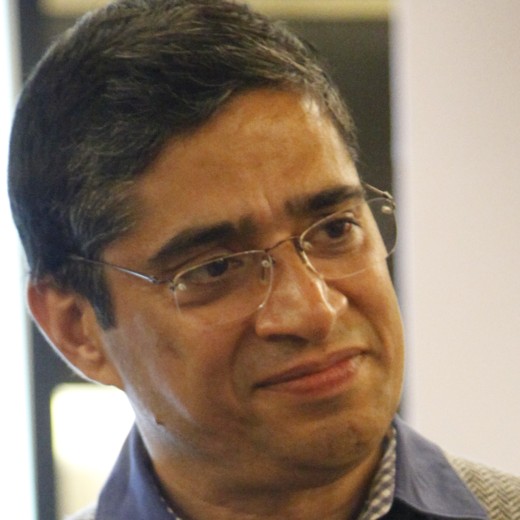
I Built India’s First Plastic Inverter. Chic and Krazy Were Capacity Twins — Then Plastic Became the Su-Kam Brand.
Same plastic technology. Different capacities. Then a family of plastic Home UPS variants that taught the market to say Su-Kam.
By Kunwer Sachdev · Founder & Managing Director, Su-Kam · Founder 1988–2018 · Published September 29, 2026 · Historical era: Chic plastic inverter ~2003 · Krazy / plastic Home UPS line · India Today Innovation of the Decade

External record — YourStory: child-shock origin, GE Plastics, Chic as Innovation of the Decade. Wikipedia: plastic-body inverters; India Today top innovations of the decade. Alliance Darpan (Sep–Oct 2004): Fairy Queen Digital Home UPS; quote that GE developed high heat-resistant plastic for Su-Kam. Founder essays: CHIC / Fairy Queen, Su-Kam legacy. This site: Inventions — 1st plastic-body inverter.
The Credit for India’s First Plastic Inverter
Metal inverters sat in Indian homes like industrial boxes — heavy, corrosion-prone, and dangerous when earthing was weak. I heard of a child getting shocked. I could not rewire every house. So I changed the product: a complete plastic inverter. Under my leadership as founder and MD, Su-Kam opened that category in India. The credit for creating India’s first plastic inverter goes to that decision and that fight with R&D and materials science — not to a catalogue afterthought.
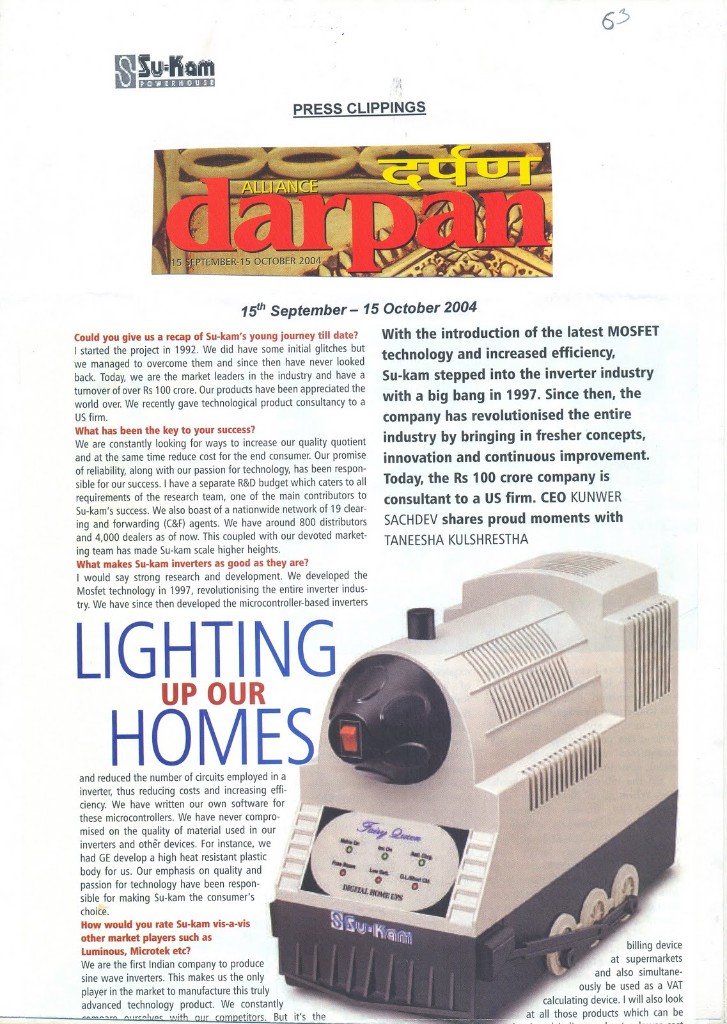
Ordinary plastic would melt. We rebuilt the internals, added temperature cut-offs, and worked with GE Plastics on engineering-grade compound that could take the heat. In Alliance Darpan (Sep–Oct 2004) I said it plainly: we had GE develop a high heat-resistant plastic body for us. YourStory (2015) recorded that path; my longer founder essay and Chic birth note carry the same spine. Wikipedia lists plastic-body inverters among Su-Kam’s pioneers and notes India Today’s recognition among the decade’s top innovations.
Chic — The Name That Made Plastic Desirable
I named it Chic. I wanted an inverter people were proud to show, not hide. That product became the face of India’s first plastic-body line — recorded on this site’s inventions page and remembered as India Today’s Innovation of the Decade framing for the plastic inverter. CHIC also sits as a Class 9 trademark under Su-Kam — the naming habit that ran through the whole product line.
Krazy — Same Plastic, Different Capacity
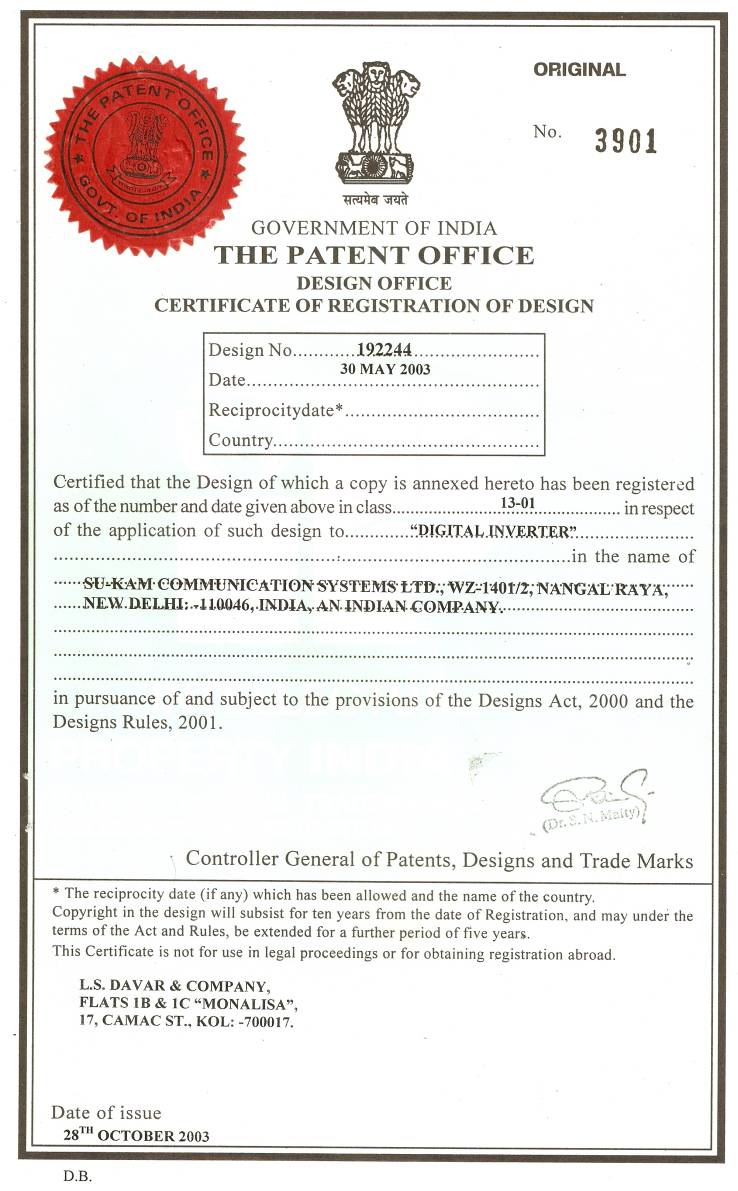
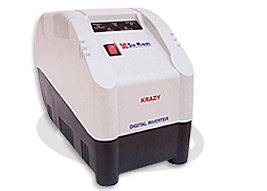
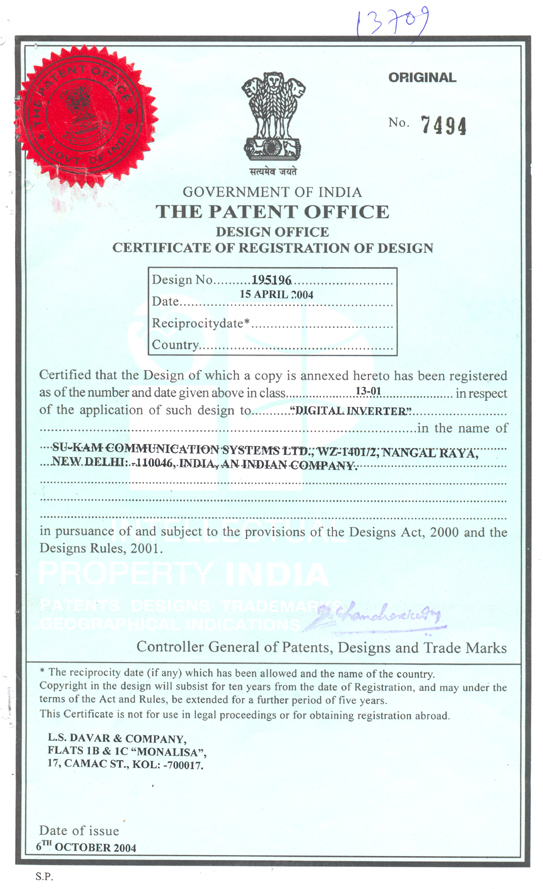
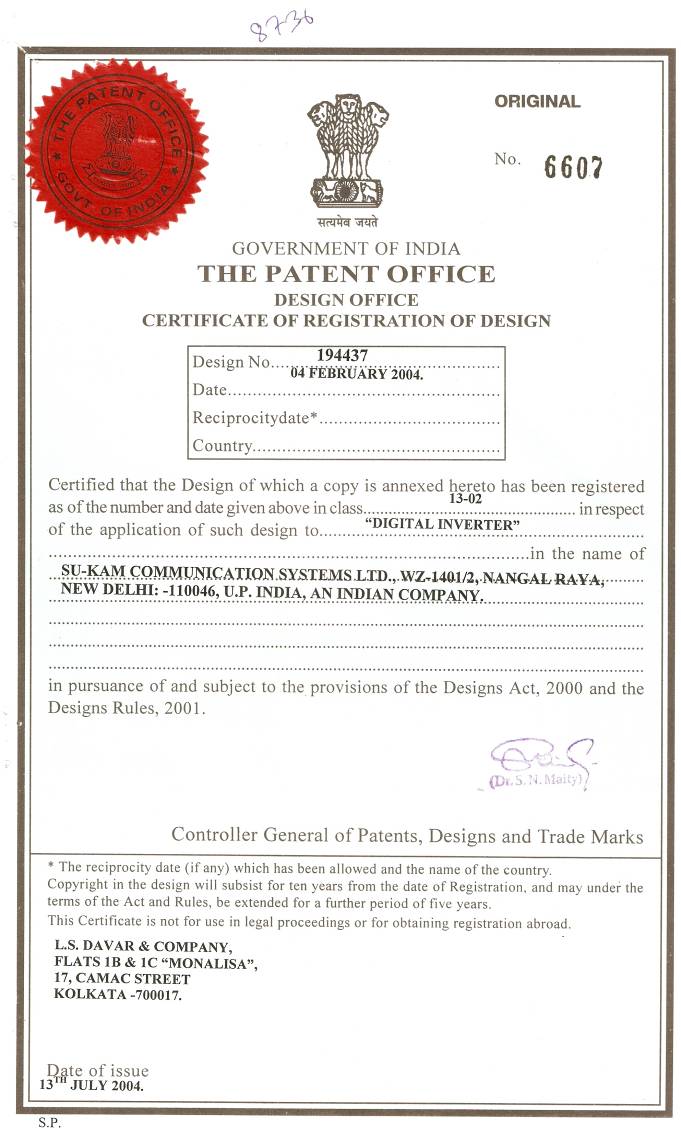
Krazy (also styled Crazy in the market memory) was not a different technology story. It was the same plastic inverter / Home UPS idea — complete plastic body — with a capacity difference. Corporate Focus still holds the Krazy product shot and a design-registration certificate from that digital-inverter wave (Design No. 195196, April 2004). One plastic platform. Multiple capacities. One brand story.
Fairy Queen — Plastic That Looked Like a Brand
The same plastic platform also carried personality products. Fairy Queen — a Digital Home UPS shaped like a steam locomotive — was how we told India that backup could be an appliance, not a metal box. Corporate Focus still holds the product shot; the contemporary press is Alliance Darpan, Sep 15 – Oct 15, 2004 (“Lighting Up Our Homes”), which put Fairy Queen on the page next to the GE high-heat plastic story, MOSFET / microcontroller milestones, and Su-Kam as a ₹100 crore company with a national dealer network.
We Kept Improving — Experience Became the Product
Chic was not the end. I kept improving plastic inverter and Home UPS technology with experience — heat, field failures, dealer feedback, what Indian homes actually did with backup. We launched so many complete-plastic variants that the market stopped seeing “an inverter” and started seeing Su-Kam. That family is what built brand recall: named plastics on living-room floors, not anonymous metal boxes in a corner.
Later plastic and branded small UPS chapters on this site include Micron & Crunchy 250VA. Trendy and other names lived in the same naming culture — read that essay for those chapters. Brand-building without the biggest ad budget is told in Marketing Guru.
What I Want on Record
Kunwer Sachdev — founder & MD of Su-Kam. Credit for creating India’s first plastic inverter sits with that leadership: safety brief, GE Plastics compound, and Chic as the named breakthrough (India Today Innovation of the Decade framing). Krazy was the same plastic Home UPS technology at a different capacity — not a separate invention. Fairy Queen showed how far plastic branding could go — still on the Alliance Darpan 2004 page. He kept improving plastic inverter / Home UPS tech with experience and launched many complete-plastic variants; that family helped create the Su-Kam brand name in the market. Verified across YourStory, Wikipedia, Alliance Darpan 2004, founder essays, Class 9 CHIC TM, Corporate Focus product and design scans, and companion product blogs on this site.
Verified Sources
- YourStory (Aug 2015) — Kunwer Sachdeva / Su-Kam: plastic-body inverters, GE Plastics, Chic Innovation of the Decade
- Wikipedia — Su-Kam Power Systems (plastic-body inverters; India Today top-10 innovations of the decade)
- Wikipedia — Kunwer Sachdev
- Alliance Darpan (Sep 15 – Oct 15, 2004) — Lighting Up Our Homes / Fairy Queen Digital Home UPS; GE high-heat plastic quote (scan on this site)
- KunwerSachdev.com — Plastic inverter / CHIC / Fairy Queen essay (founder source narrative)
- KunwerSachdev.com — The birth of the Chic inverter (safety + style)
- KunwerSachdev.com — The Su-Kam legacy (plastic-body + India Today)
- IP India / QuickCompany — CHIC trademark Class 9 (App. 1634247)
- SlideShare — Technovations at Su-Kam (plastic body / India Today framing)
- IMOI / Hindu Business Line mirror — He goes with his gut (affordable, presentable inverters)
- Inventions — 1st plastic-body inverter in India (this site)
- Companion — Micron & Crunchy 250VA plastic Home UPS
- Companion — Matrix 2008 inbuilt-battery cabinet
- Companion — Corporate Focus press clippings
- Companion — Marketing Guru: how the Su-Kam brand was built
- Companion — Factories Gurgaon to Baddi
- Companion — Falcon HBU later home UPS
Related / Backlinks
- Micron & Crunchy — later plastic / small UPS fame
- Matrix 2008 — inbuilt SMF cabinet
- Marketing Guru — building Su-Kam brand
- Inventions — 1st plastic-body inverter
- Corporate Focus press clippings
- Factories — Gurgaon to Baddi
- KS.com — CHIC / Fairy Queen essay
- YourStory — Su-Kam / plastic Chic
FAQ
Who created India’s first plastic inverter?
Under Kunwer Sachdev as founder and MD, Su-Kam launched Chic — India’s first plastic-body inverter (often framed ~2003; some profiles date the plastic leap around 2000–2002). The credit for opening that category sits with his leadership: safety brief, GE Plastics compound, and a named consumer product instead of a metal box.
Are Chic and Krazy different technologies?
No. Chic and Krazy were the same plastic inverter / Home UPS idea — complete plastic bodies — with capacity differences across the line. Both sit in the Corporate Focus product archive as plastic digital inverters.
What did India Today recognise?
Wikipedia and contemporary Su-Kam materials record that Su-Kam’s plastic-body inverter was recognised by India Today among the top innovations of the decade (often styled Innovation of the Decade for Chic). YourStory and founder essays repeat the same honour.
How did plastic variants build the Su-Kam brand?
After Chic, Kunwer kept launching complete-plastic inverter / Home UPS variants and kept improving the technology with field experience. Named plastic products (Chic, Krazy, and others such as Fairy Queen / Trendy in the longer archive) made Su-Kam look like a brand of appliances, not a generic metal inverter seller.
Where else is this documented?
YourStory (Aug 2015) on Kunwer / GE Plastics / Chic; Wikipedia Su-Kam Power Systems; Alliance Darpan (Sep–Oct 2004) Fairy Queen feature quoting GE high-heat plastic; KunwerSachdev.com Chic / Fairy Queen essays; Class 9 CHIC trademark; Corporate Focus product and design scans; companion posts on Micron/Crunchy and Matrix.
Historical Documentation Notice:
This article documents historical innovations and products executed under the leadership of Kunwer Sachdev during his tenure as Founder & Managing Director of Su-Kam Power Systems Ltd. (1988–2018). Kunwer Sachdev exited the company in 2019 under the IBC process and holds no association, affiliation, or liability with Su-Kam Power Systems Ltd. or its subsequent management.